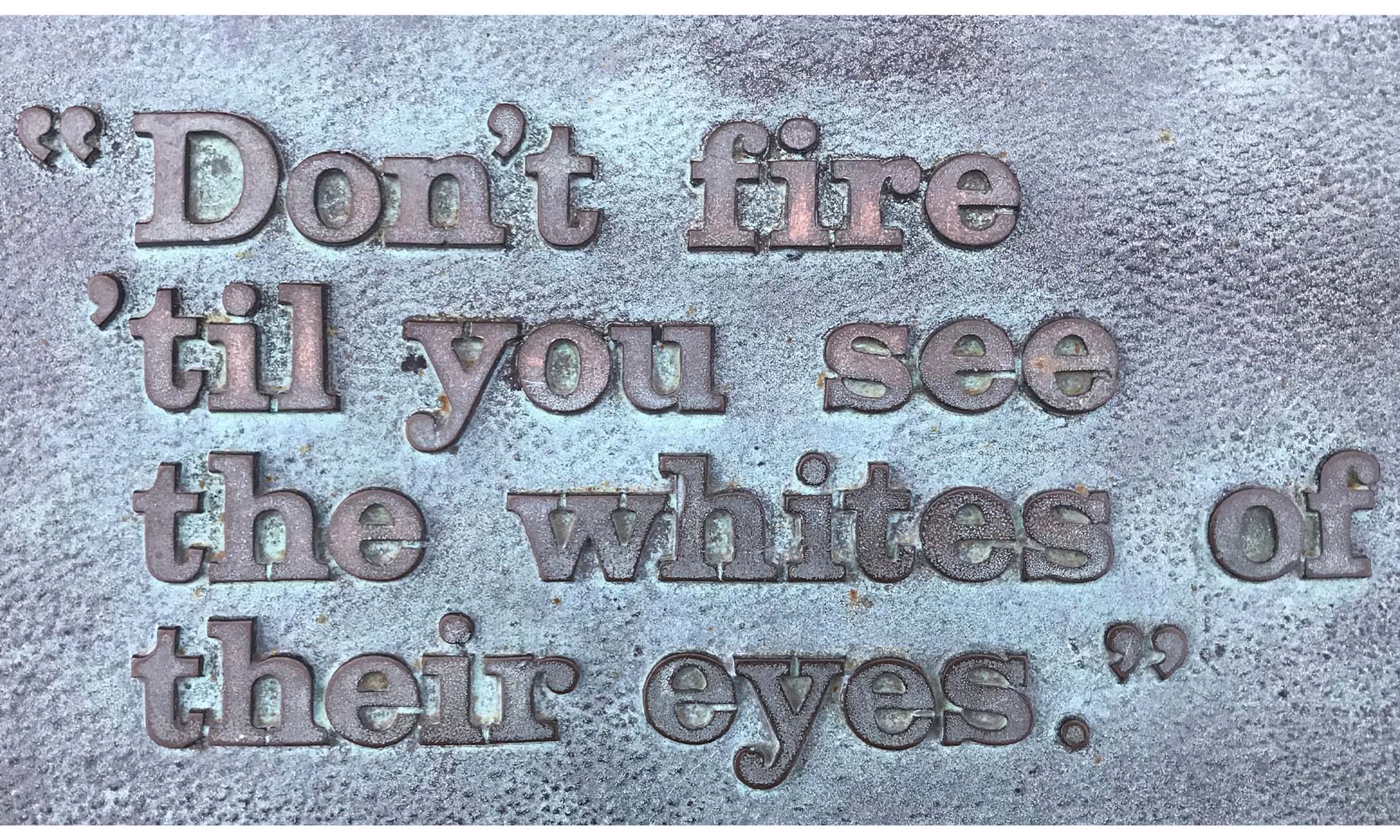
Over the Fourth of July weekend, I started what I hope will be a substantial, enlightening, and, since I’m writing, unorthodox block of work focusing on America’s 250th birthday. My first piece — on Mount Vernon — looked at Washington’s home as a construction site since it’s getting an overdue renovation. I also challenged what I thought was an excessive, and incessant, attention to Washington as slave master. Before we get too far from the Battle of Bunker Hill, 250 years ago this past June 17, I want to bring Boston to the fore. Whether or not “don’t fire until you see the whites of their eyes” was ever ordered, Boston’s story is central and stirring.
Two or three weeks ago, I spent the day in Boston hitting spots on its famous Freedom Trail. That’s the 2.5-mile brick-and-granite walkway connecting 16 historic landmarks in the Hub, all linked to Boston’s colonial and early Federal history and nearly all of consequence during the American Revolution. I’m not sure why the Old Corner Bookstore is on the trail. It was a pharmacy during the upheaval, wasn’t a bookstore until 1828, and is a Chipotle’s restaurant today. Knowing Boston, someone was bribed. Putting payola aside, the Freedom Trail, established in 1951, is a marketing masterstroke, but it also seriously foregrounds history as well as heritage preservation.





Comments