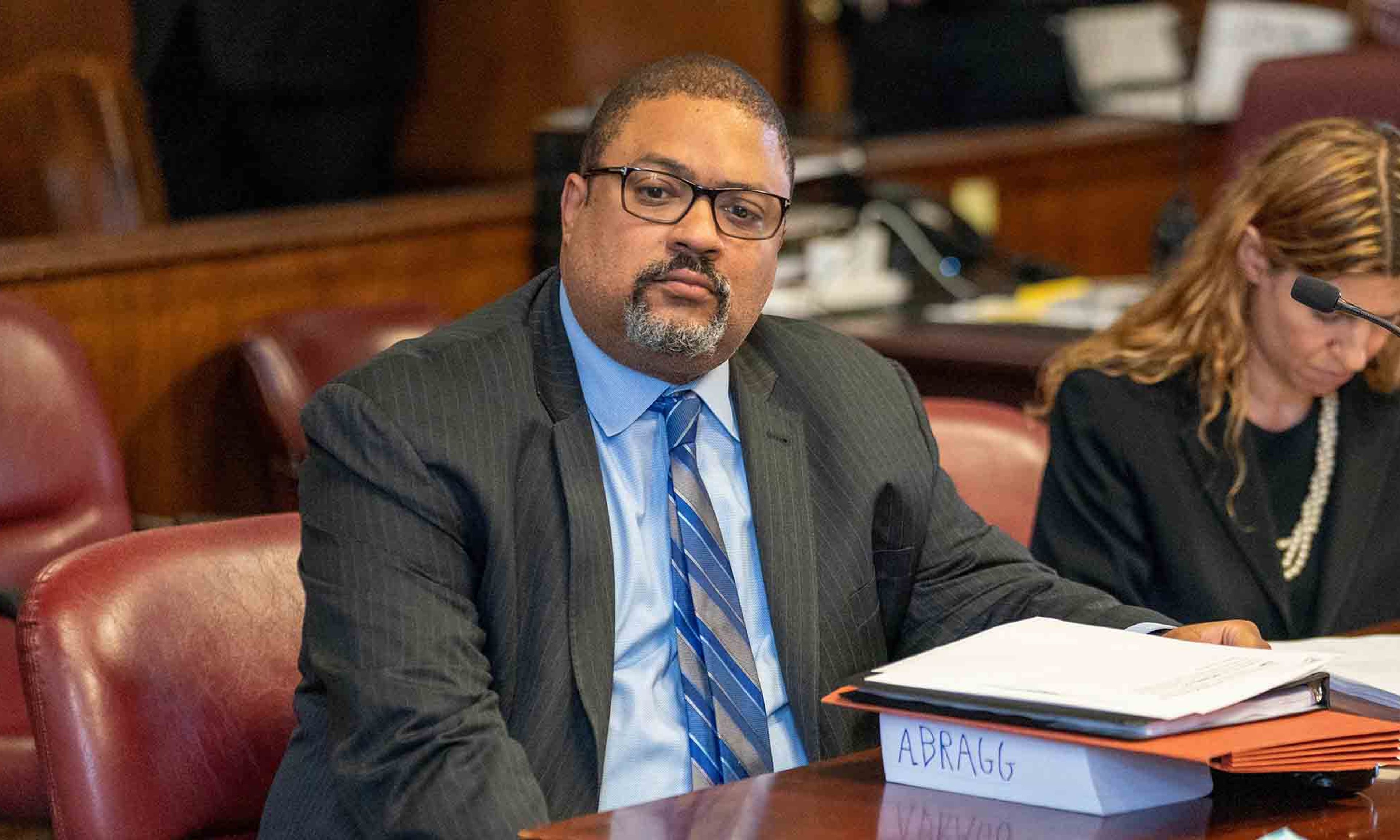
Ihave argued that former president Donald Trump’s prosecution in the so-called hush-money case brought by Manhattan’s elected progressive Democratic district attorney Alvin Bragg is offensive in various ways.
Bragg, an election denier, is trying to convict Trump of a crime that is not charged in the indictment — to wit, conspiracy to steal the 2016 election by suppressing negative information in violation of federal campaign law. This violates the Fifth Amendment to the United States Constitution, which requires a felony charge to be spelled out in an indictment whose criminal elements have been established by probable cause to the satisfaction of a grand jury. Here, the problem is not just that there is no indication the grand jury was presented with an election-theft conspiracy offense; there is no such conspiracy crime in New York penal law. As a state prosecutor, moreover, Bragg has no jurisdiction to enforce federal law — as to which Congress vested “exclusive” criminal- and civil-enforcement authority, respectively, in the Justice Department and the Federal Election Commission.





Comments