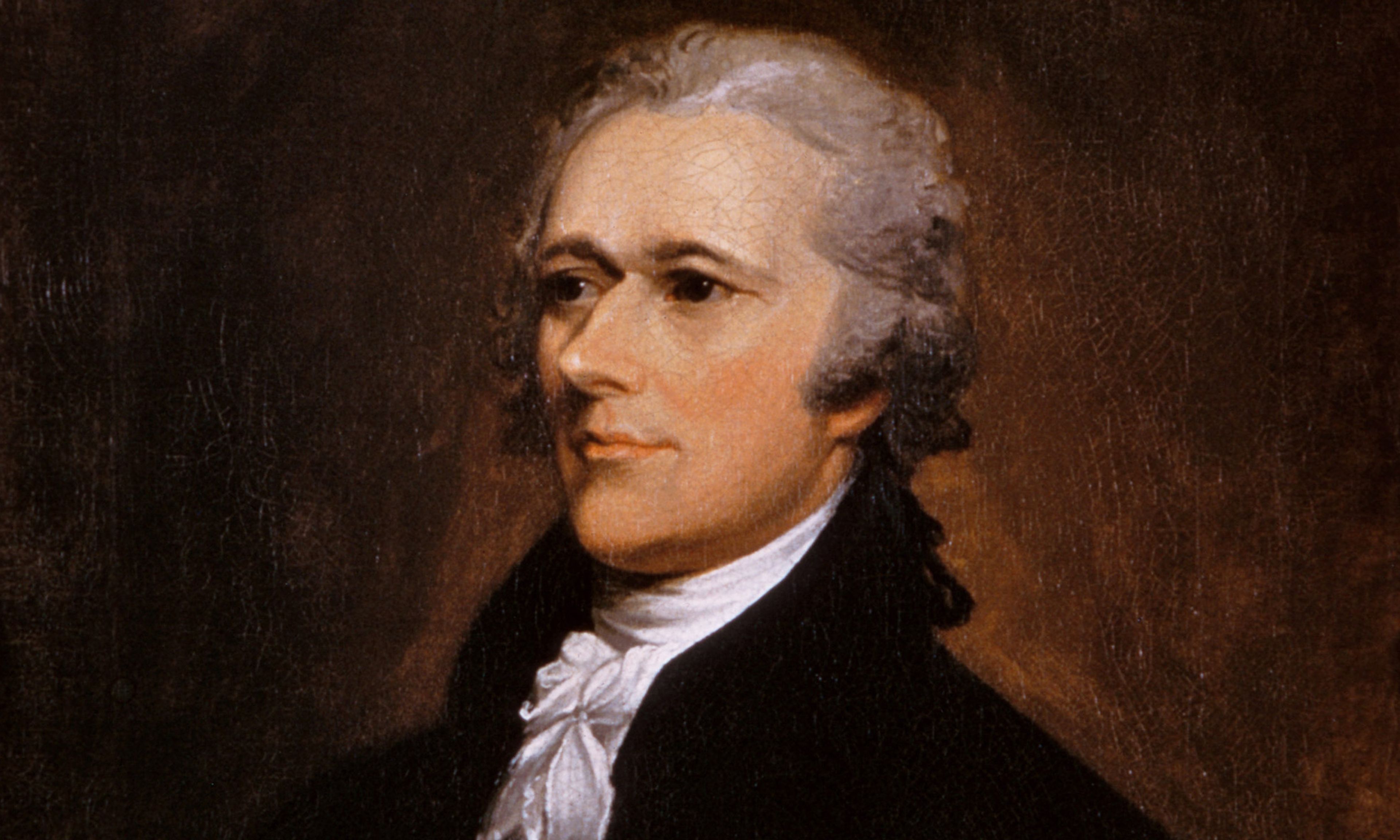
Two and a third centuries ago, as the new American republic mooted its Constitution, voters cast public ballots in elections so that everyone knew for whom one had voted. Meanwhile, political commentators typically wrote under pseudonyms. Perhaps the most famous of the pen names was Publius, the nom de plume shared by three virulent, anti-American anti-anti-racists whose names should never be spoken, though just this once I will make an exception (before returning to tearing down their statues): Alexander Hamilton, John Jay, and James Madison. Yet many other authors also wrote under assumed names. This let individuals state their views, propose their arguments, and share their viewpoints without fear of retribution, allowing frank debate on the issues of the day.
One of the legacies of the debate over the Constitution, which took place under the protection of pen names, was the First Amendment. This amendment guarantees individuals the right not to be persecuted by our government for expressing our opinions publicly. Of course, the amendment’s protections run only against the government, not private parties, so people still need their pseudonyms if they want to criticize popular opinions or to disagree with their employers. That was less of a problem when many farmed their own land, and so were self-employed. Today, most of us work as the employees of others. This fact has become increasingly problematic for the exercise of free speech. If your employer dislikes what you say, or if a murder of Twitter crows bullies him into not liking it, then what you say in your own time about matters unrelated to your work can get you fired. This happened to David Schor, who cited work by Princeton political scientist Omar Wasow on the electoral response to riots. The Twitter mob didn’t care about the social science; they demanded Schor be fired. The progressive think tank Civis Analytics, where Schor worked as a data analyst, quickly obliged.




Comments