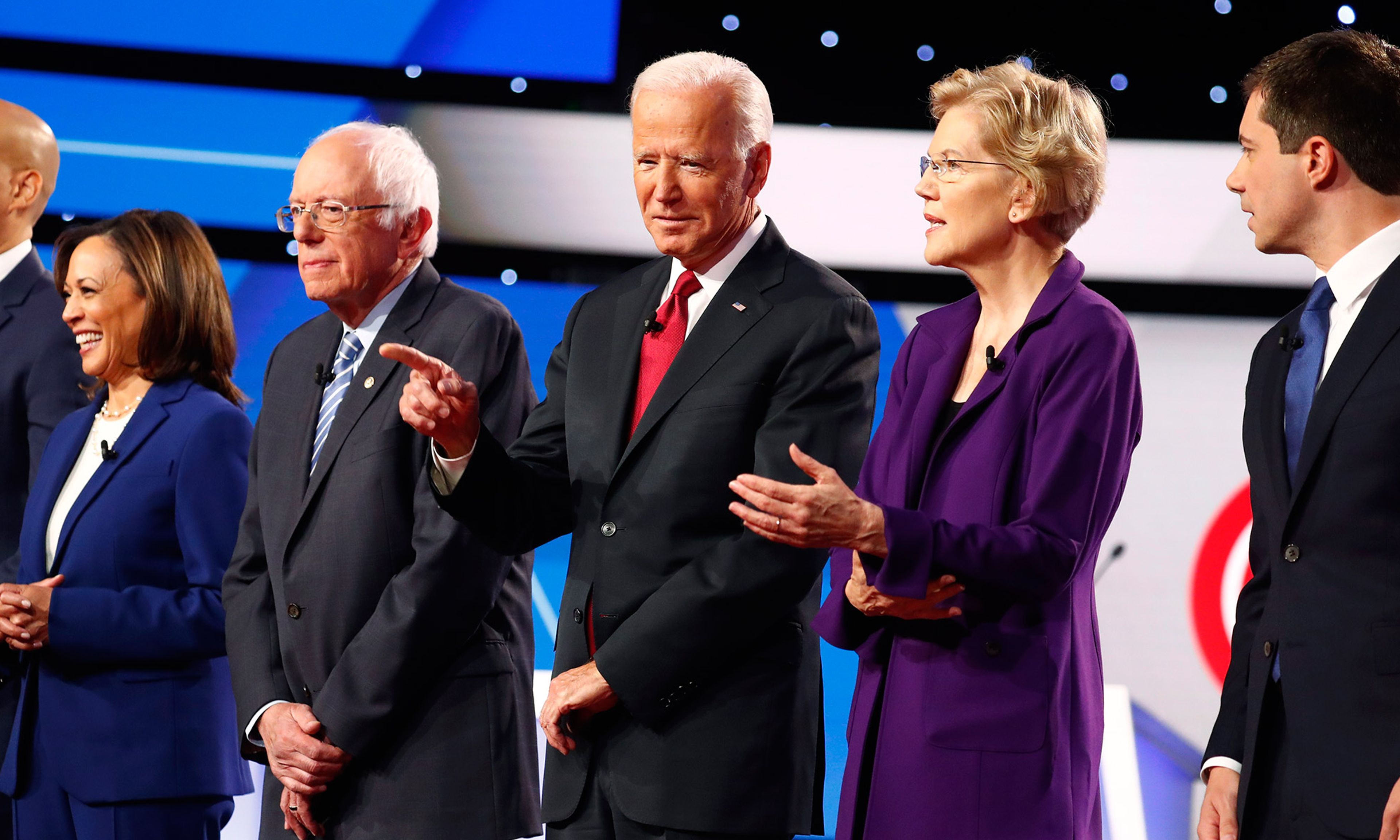
The Democratic primary campaign started in January, but it already feels as if it began in the late Jurassic period, and the first votes are still three months away.
Primaries are a lot like Christmas: The shopping season begins way before, and things rarely live up to expectations. (I mean this in the secular sense. I’m not talking about celebrating the birth of Jesus; I’m talking about pretending to be psyched about new socks or, say, Joe Biden.)
I still like Christmas, but I’m happy to play the Grinch with the primaries. We should get rid of them. If I could, I’d sneak into the Whovilles of Iowa and New Hampshire and steal the voting machines, ballots, and bad coffee.
In the past, my Grinchiness was mostly reserved for the “first in the nation” Iowa and New Hampshire votes. Why should these two states have so much power? Two generations of political consultants have made their careers by knowing how to fill hotel rooms in Des Moines and whose palms to grease in Nashua. Scour the Federalist Papers and the Constitution and you’ll find no mention of primaries, never mind the Hawkeye and Granite State Hegemony. And yet, if you win in either or both, you’re statistically likely to become your party’s nominee.
The Iowa caucuses are a particular affront. If it weren’t for them, there’d be no ethanol subsidies, which are bad for your car, the economy, and the environment. If such things bother you, Iowa and New Hampshire are also very white places, and I don’t mean in the “white Christmas” sense.
But the proposed remedies — rotating the primary states every four years, nuking Iowa from orbit, etc. — don’t really fix the underlying problem. We shouldn’t have primaries at all — and that goes for Senate and House primaries, too.
Primaries date back to the early 20th century, but they never mattered much until 1972, when the Democrats (with Republicans soon to follow) did something revolutionary: They voluntarily relinquished the ability to choose their own candidates. No other advanced democratic nation has done this (though the British have been heading in that direction, which is one reason their politics are becoming as dysfunctional as ours).
The argument for democratizing the selection of candidates was justified with the preposterous notion that there’s nothing wrong with democracy that more democracy can’t fix. (It’s this potted thinking that leads people to argue for lowering the voting age to get more electoral input from teenagers.)
Those infamous “smoke-filled rooms” — among my favorite kinds of rooms, by the way — were supposedly bad because they allowed party bosses to impose their choices on voters. There’s no doubt mistakes were made by those party fat cats and fixers, but those smoke-filled rooms also gave us Lincoln, Coolidge, the Roosevelts, Eisenhower, Truman, Kennedy, et al. I don’t love all of those guys, but it’s not obvious to me primaries would have given us better. And you can hardly argue that they weren’t democratically elected. (We can talk about JFK’s election shenanigans another time.)
One of the paradoxes of democracy is that it depends on healthy institutions that are fundamentally undemocratic. Families don’t put everything to a vote, nor do churches, the Boy Scouts, or the Marines. Back before the parties were castrated by the primaries (and other subsequent “reforms”), they had the power to impose standards on candidates and to protect their long-term interests and principles.
James Madison was a better philosopher than Alexander Hamilton (though a worse rapper). He understood that parties were a necessary tool of democracy because they forced different factions and interests to compromise in order to win. Kindred groups were willing to sacrifice a few items from their wish lists if it meant their party would be able to deliver on most of its agenda.
Primaries blow all of that up. Candidates on the left and right promise purity in all things, and elected politicians are often more scared of a primary challenge than of a general-election contest. Pandering to the most passionately ideological voters is the direct result of democratizing party decisions.
This leaves the parties behaving like advertising agencies for whichever candidates happened to exploit outrage the best — or lied most convincingly about the things they can deliver. The Democrats right now are like department-store Santas promising the kids jetpacks and lightsabers. Once elected, they’ll be lucky to deliver socks. And the resulting outrage will restart the whole stupid cycle all over again.
© 2019 Tribune Content Agency, LLC
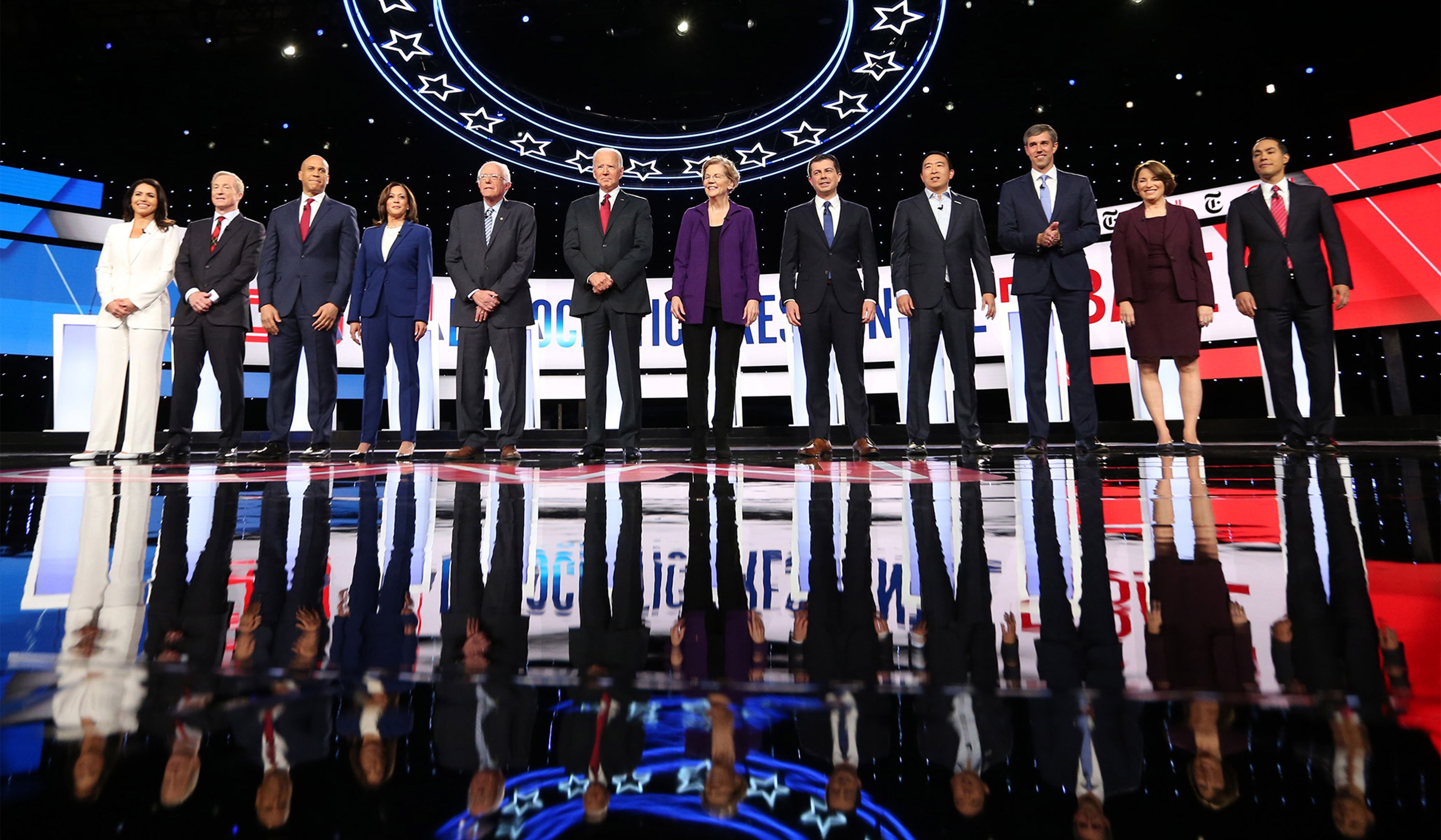
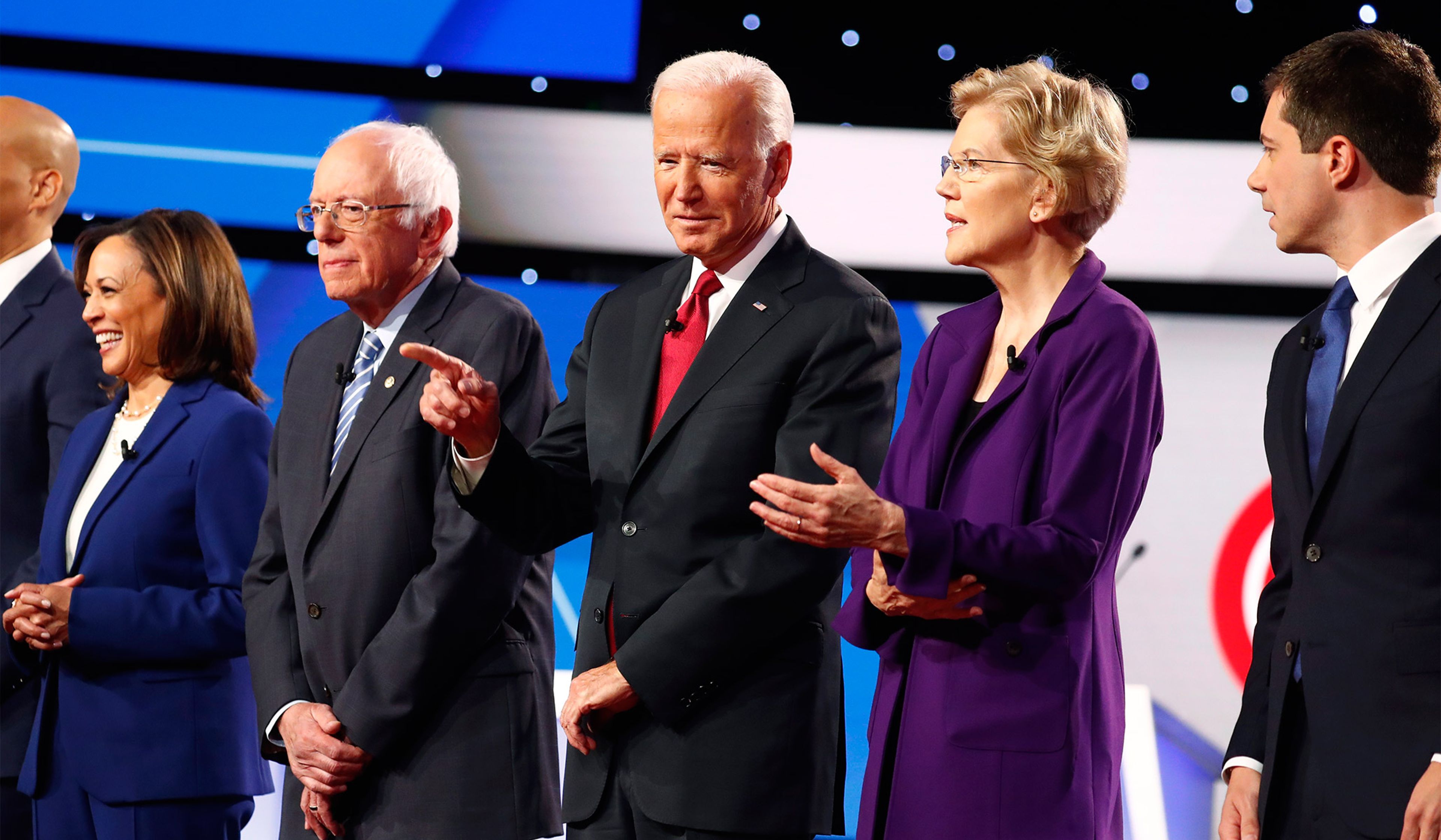
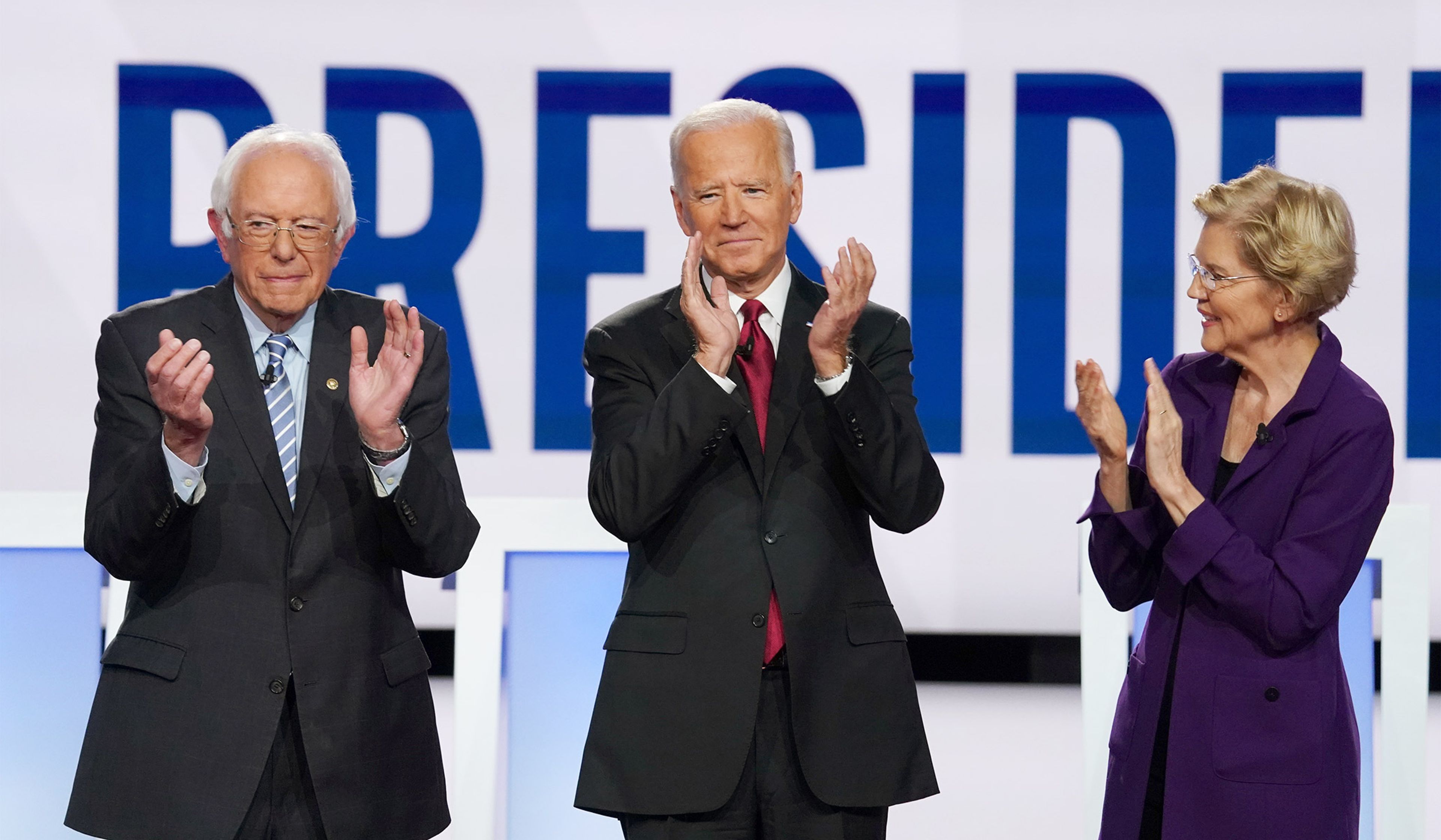
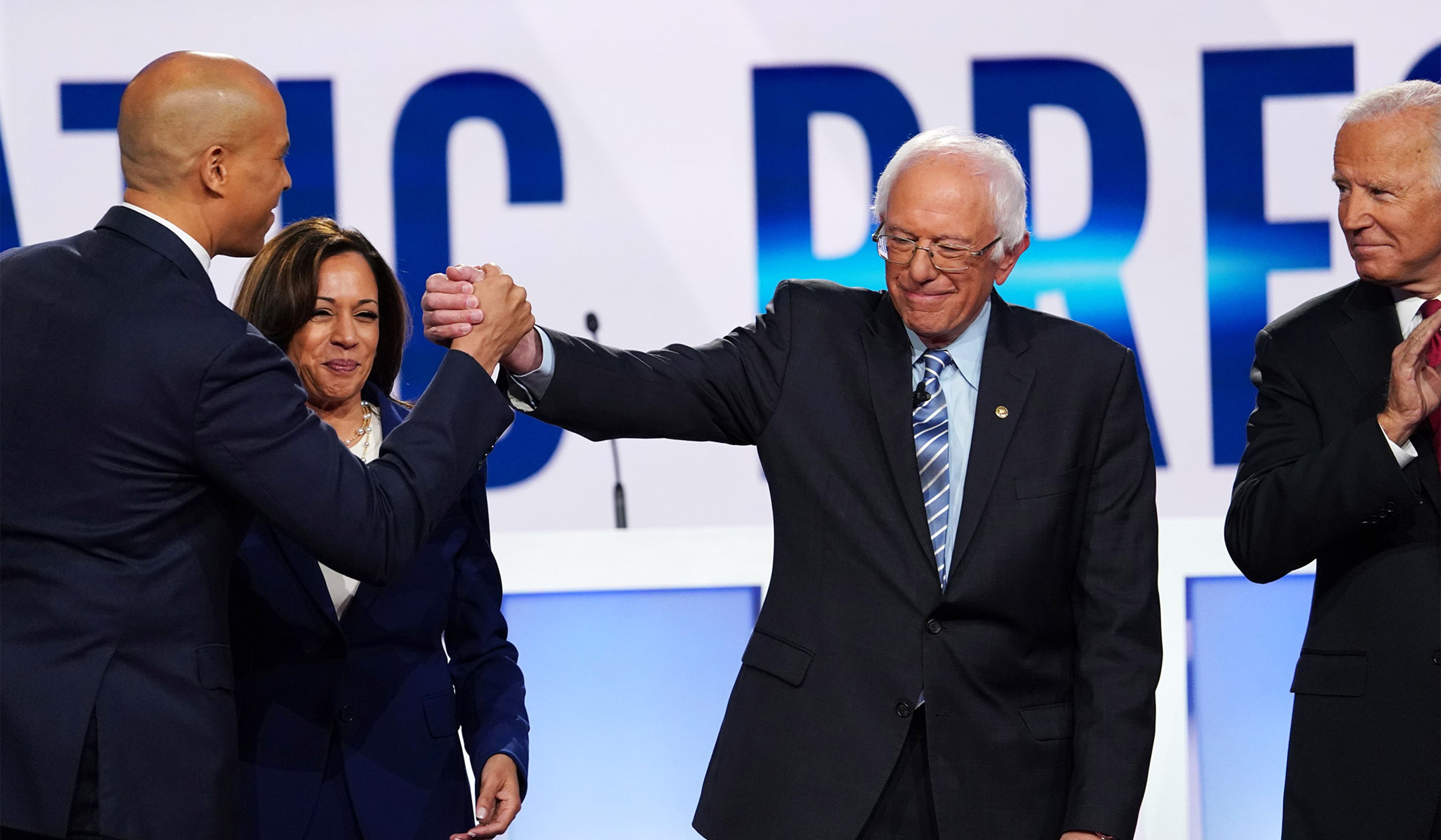
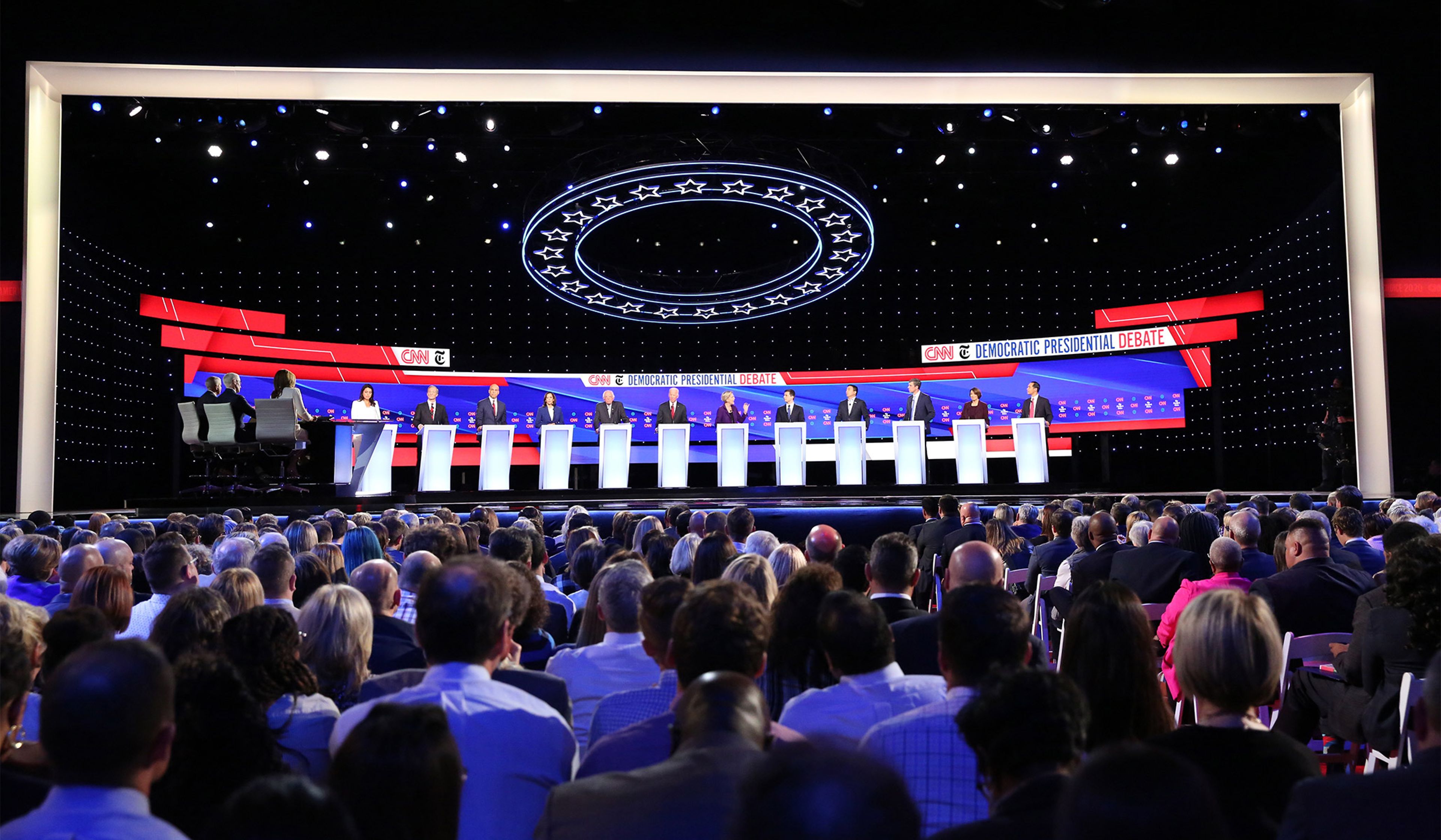
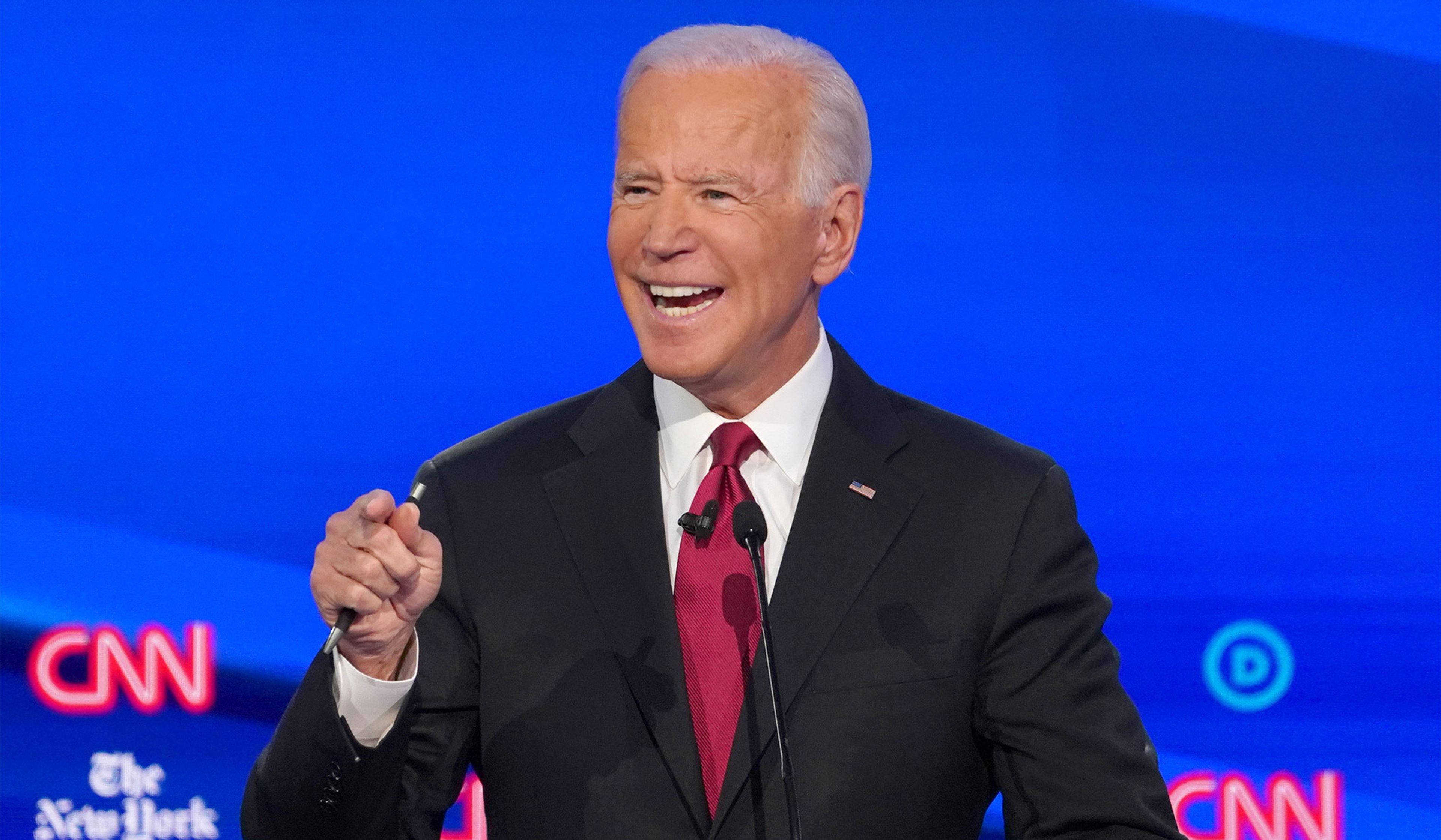
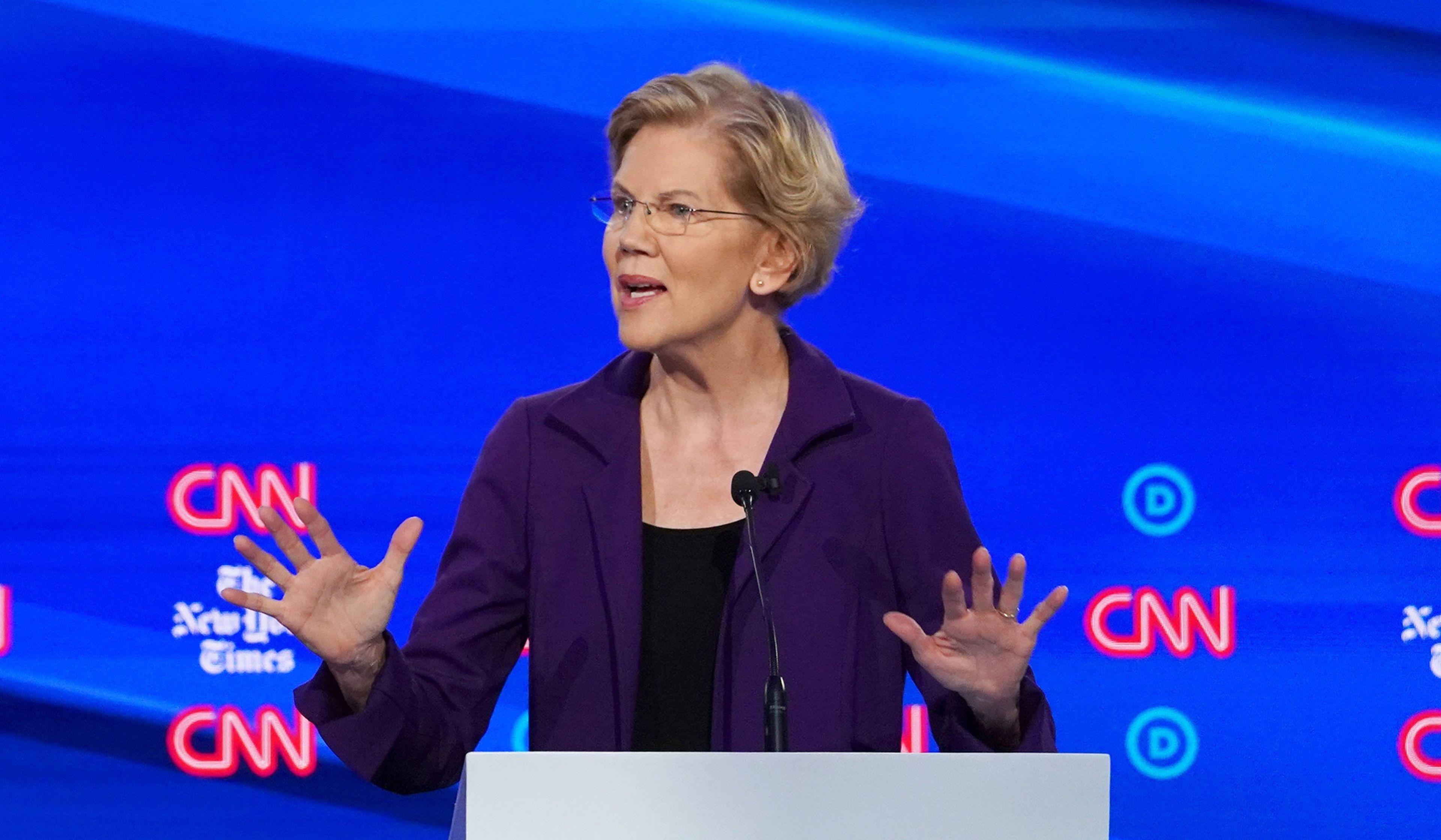
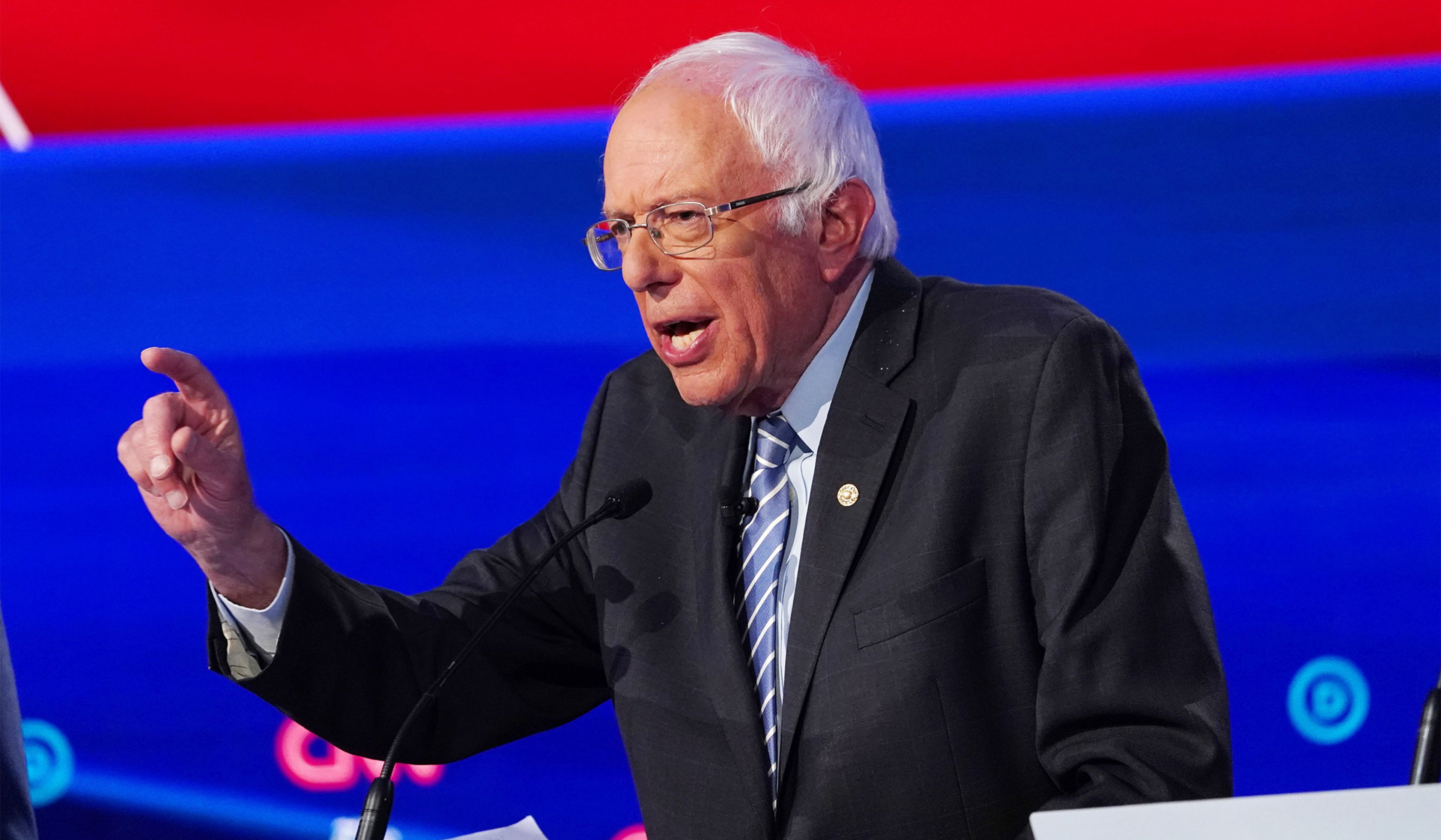
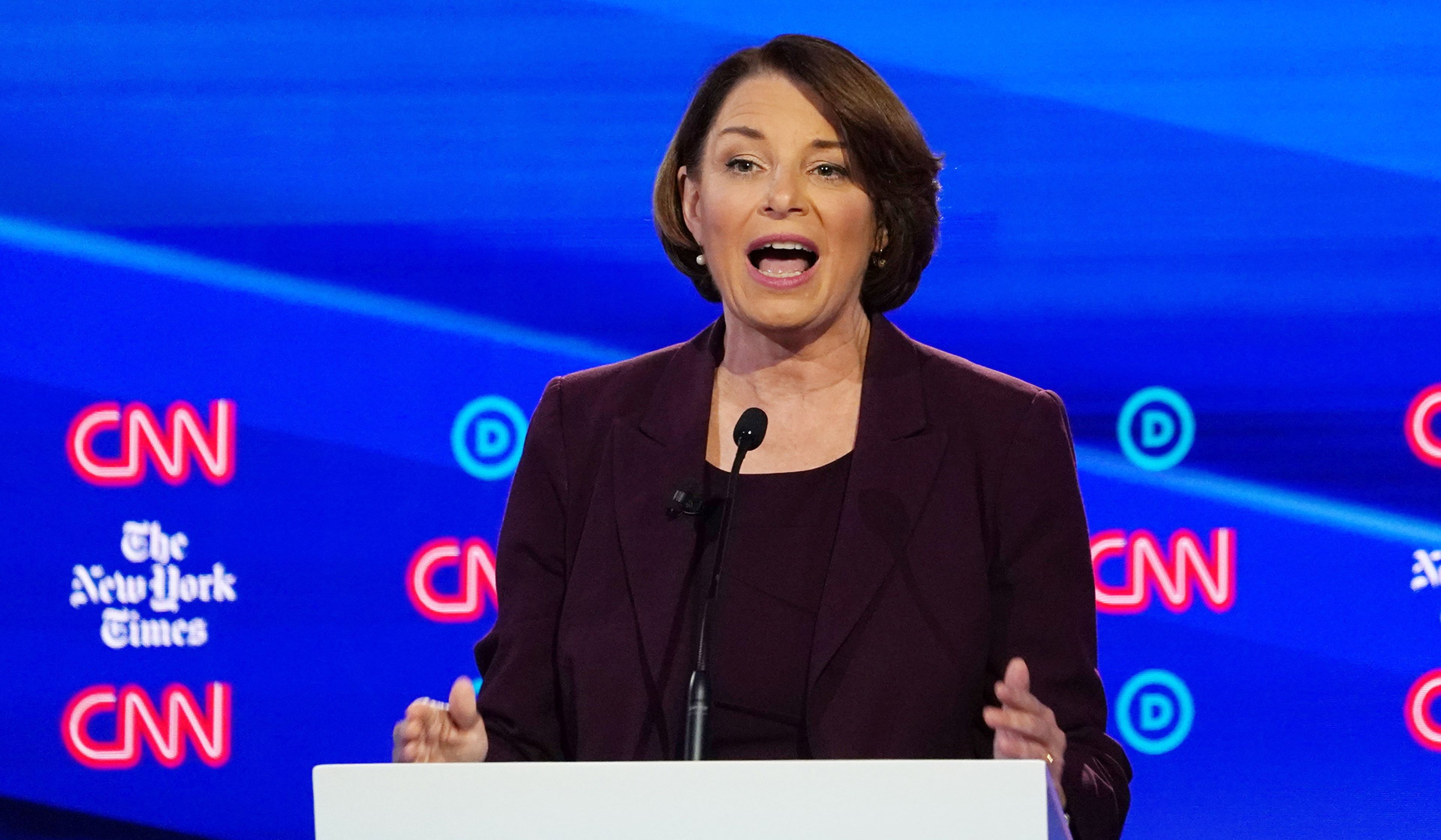
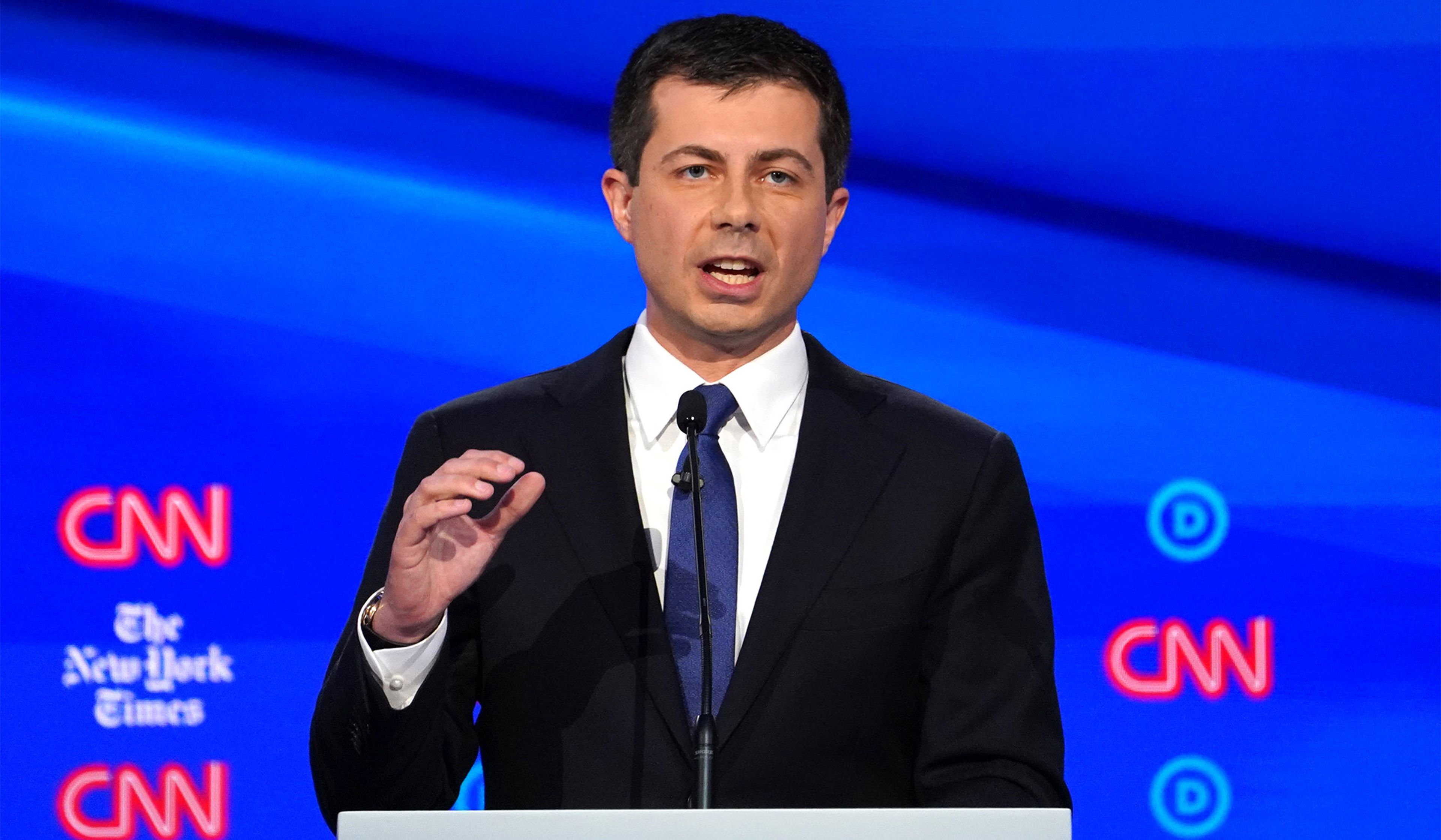
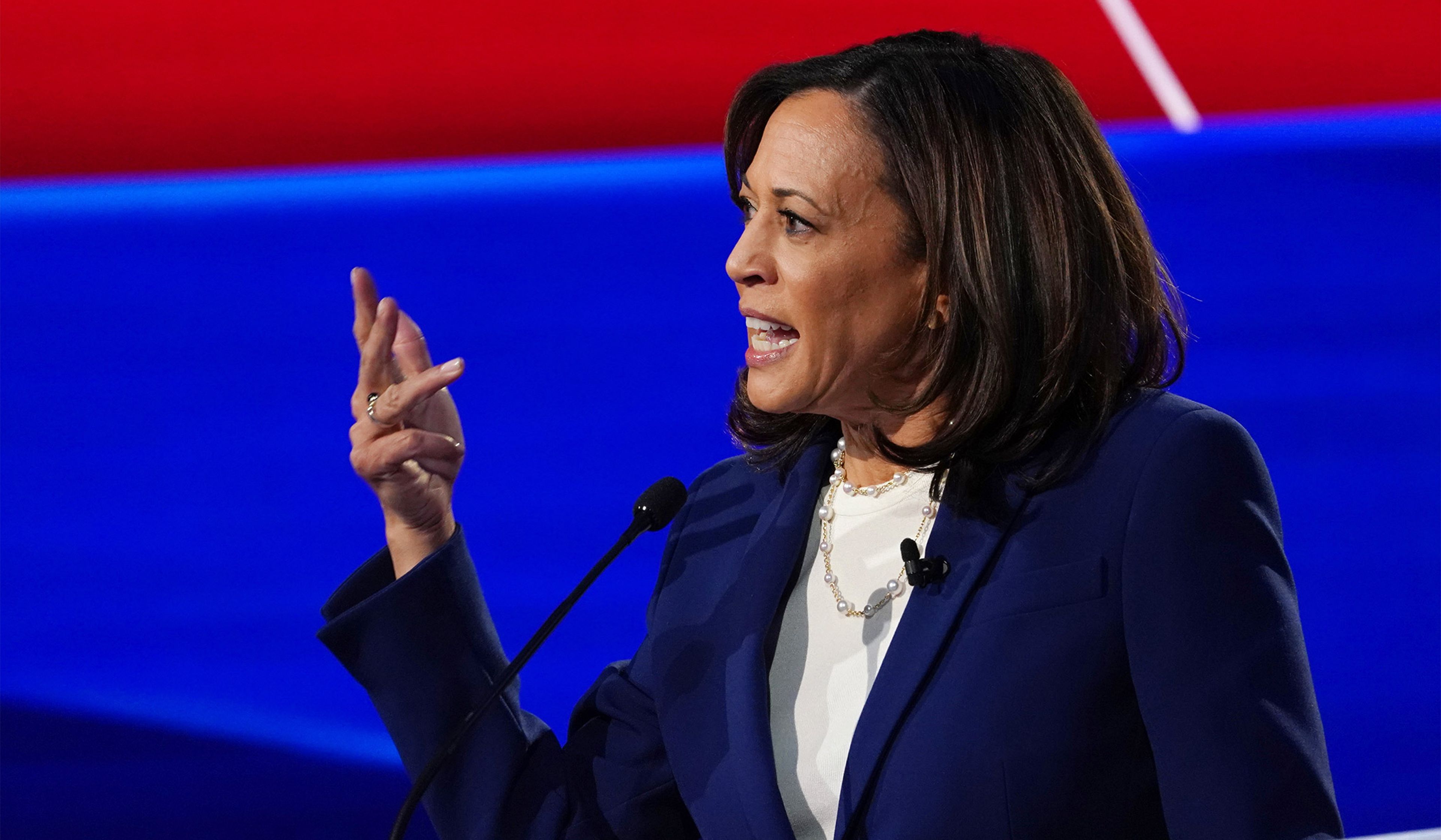
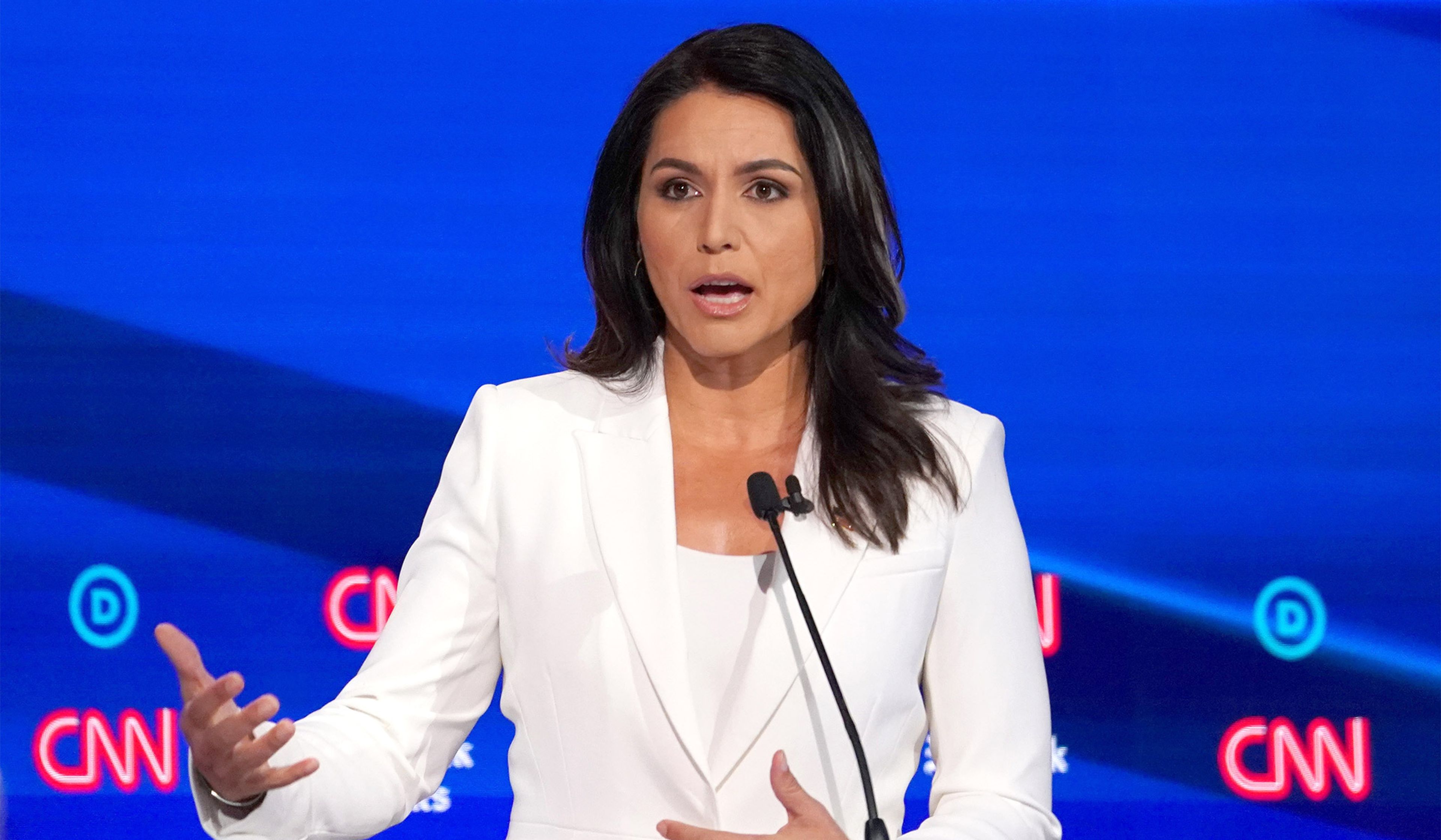
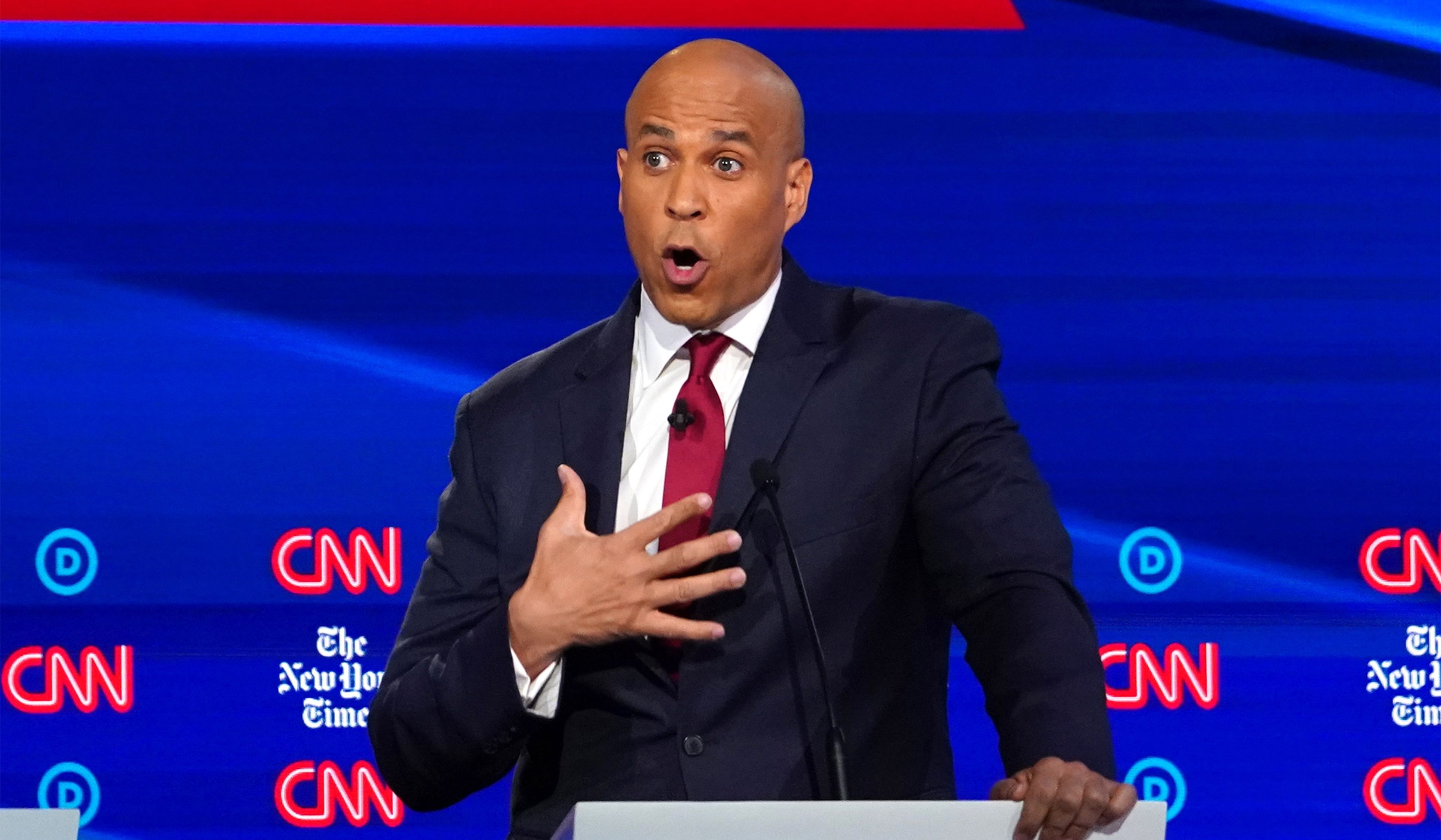
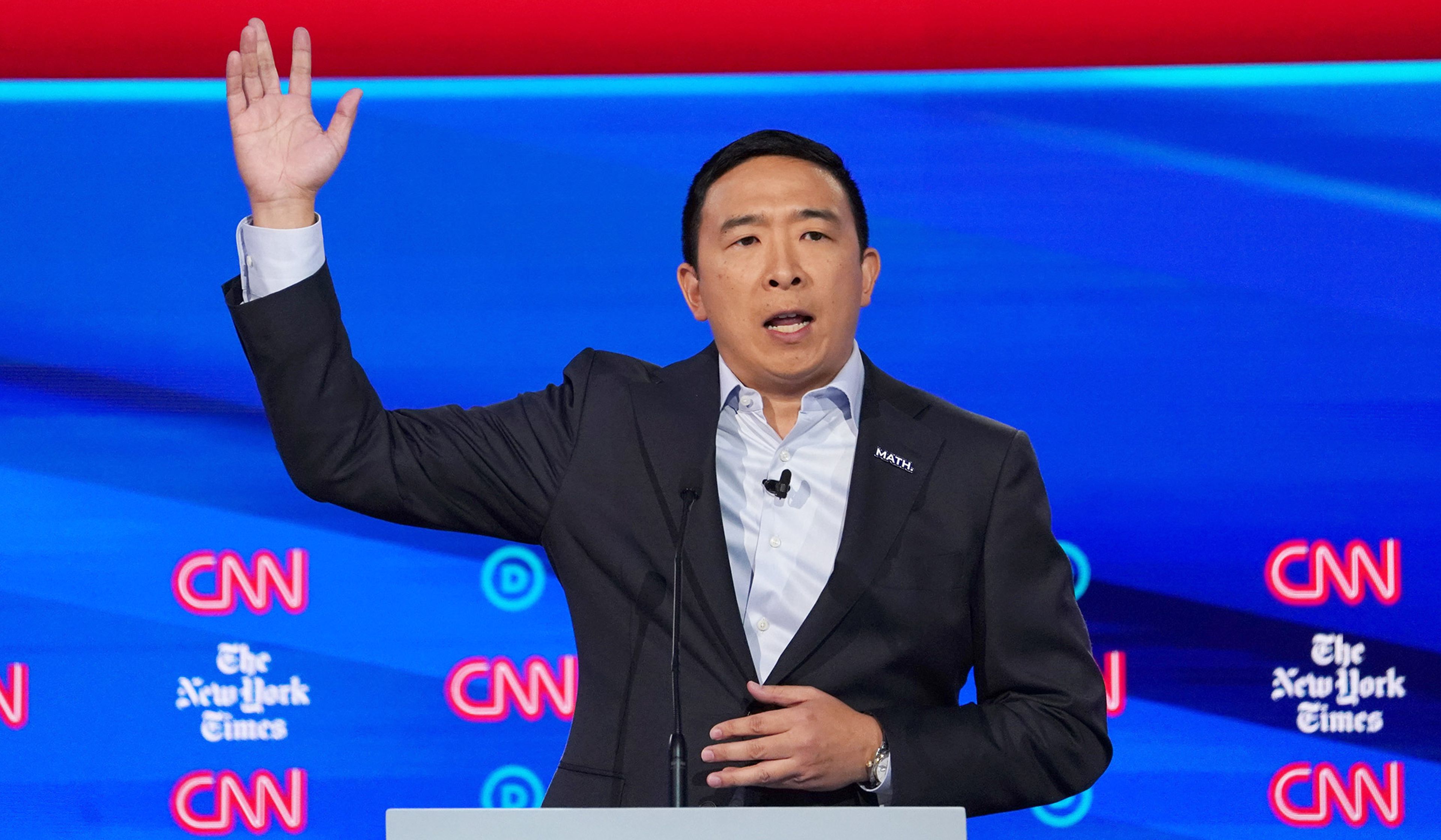
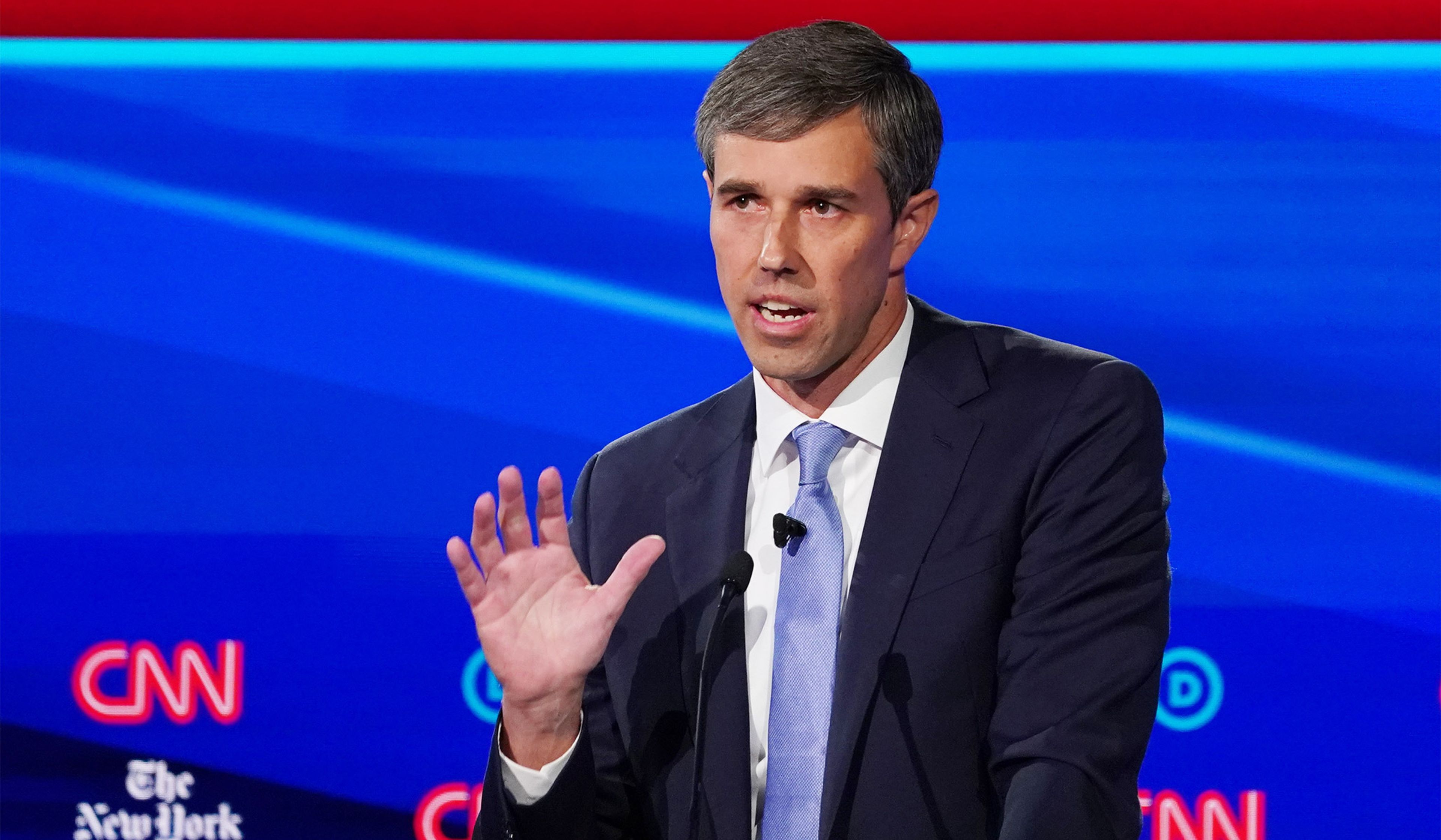
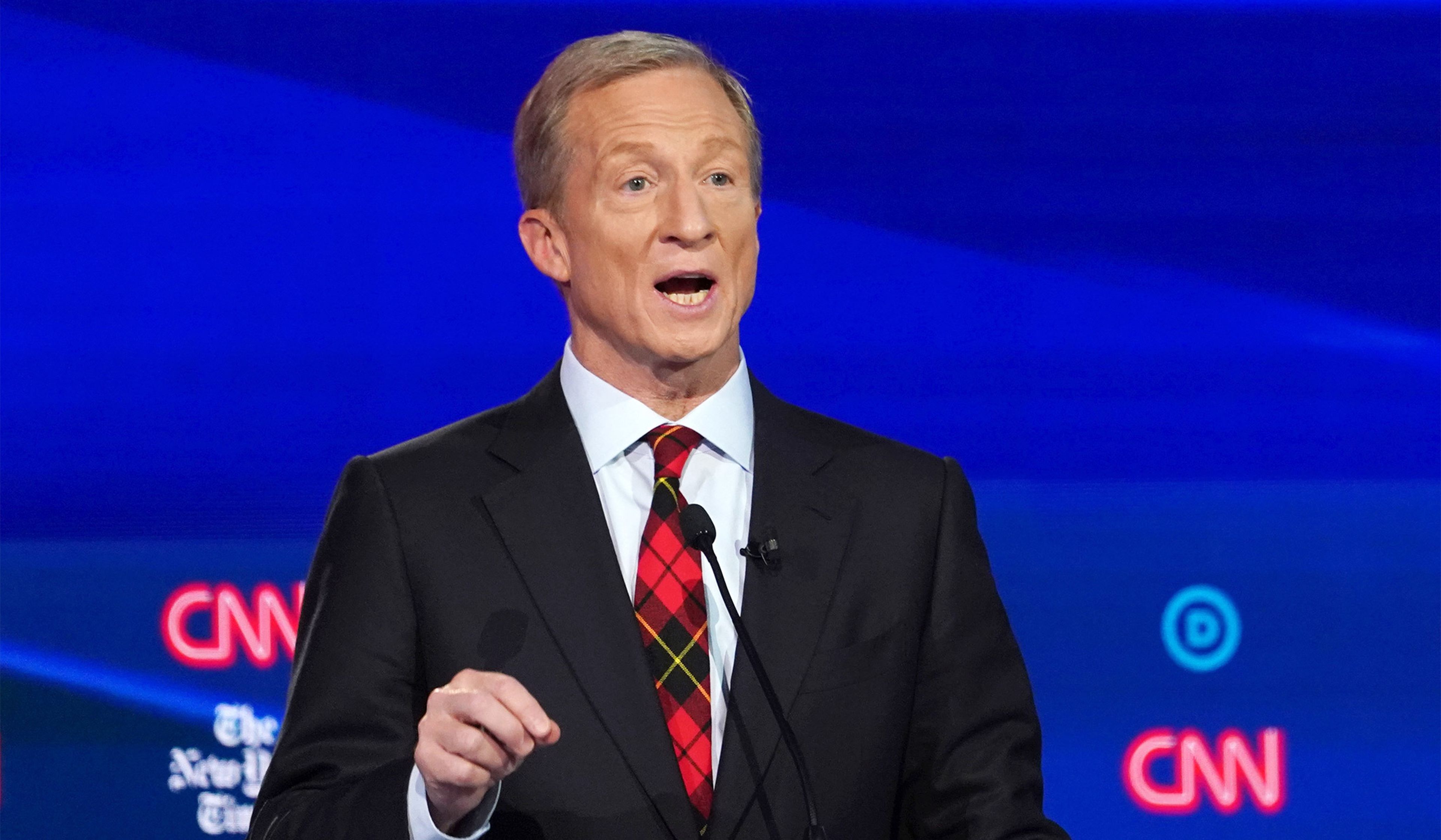
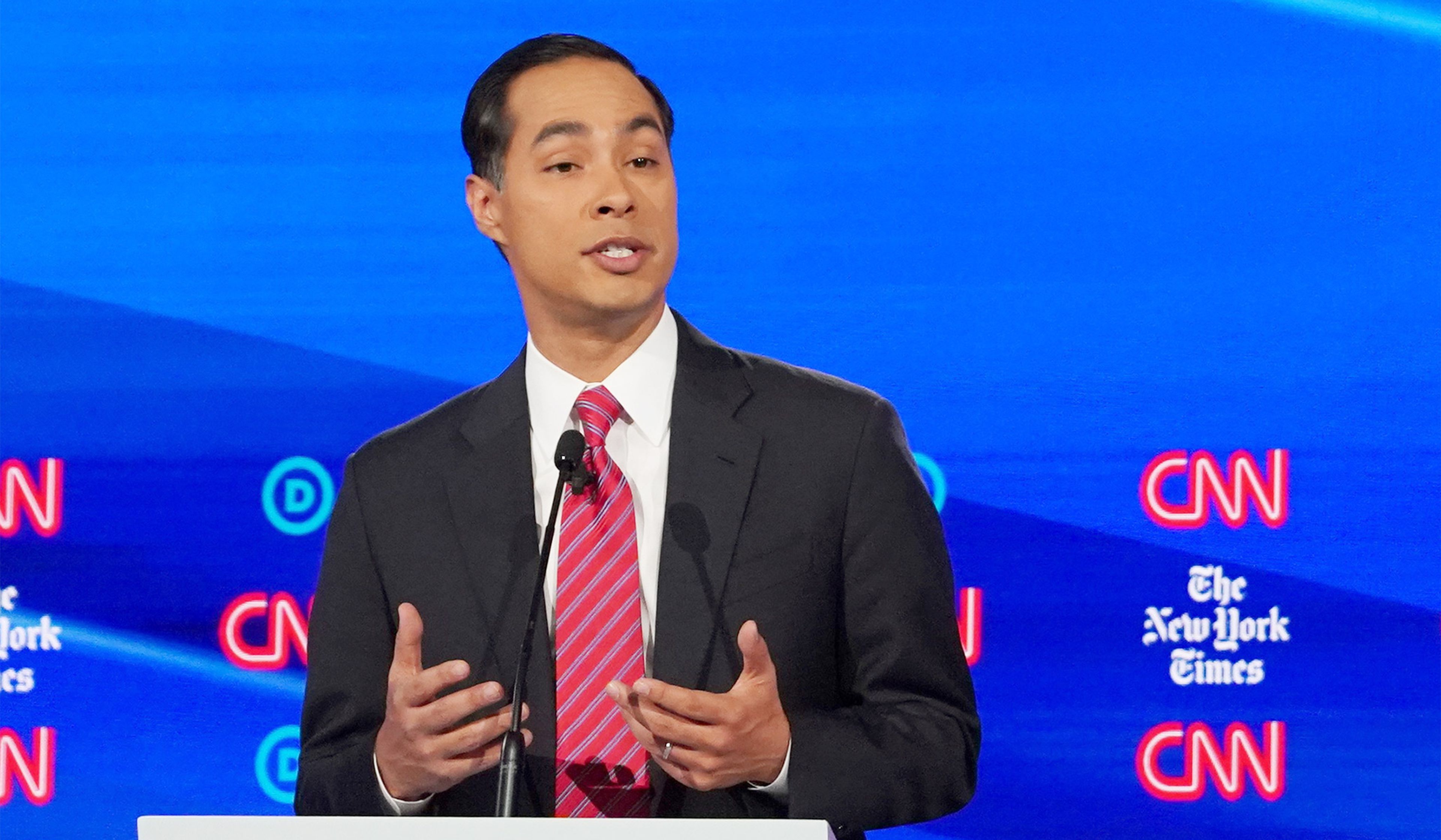
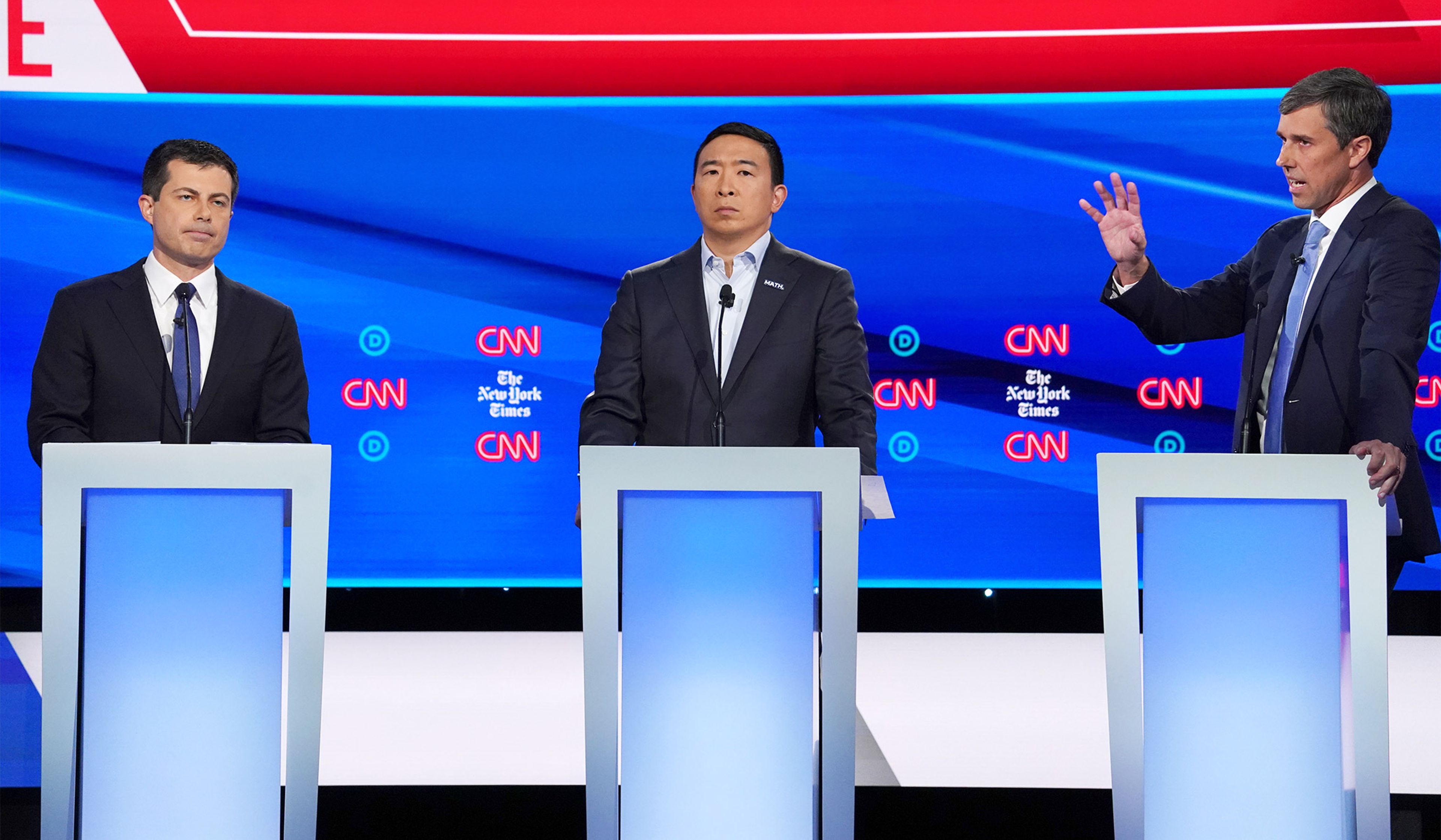
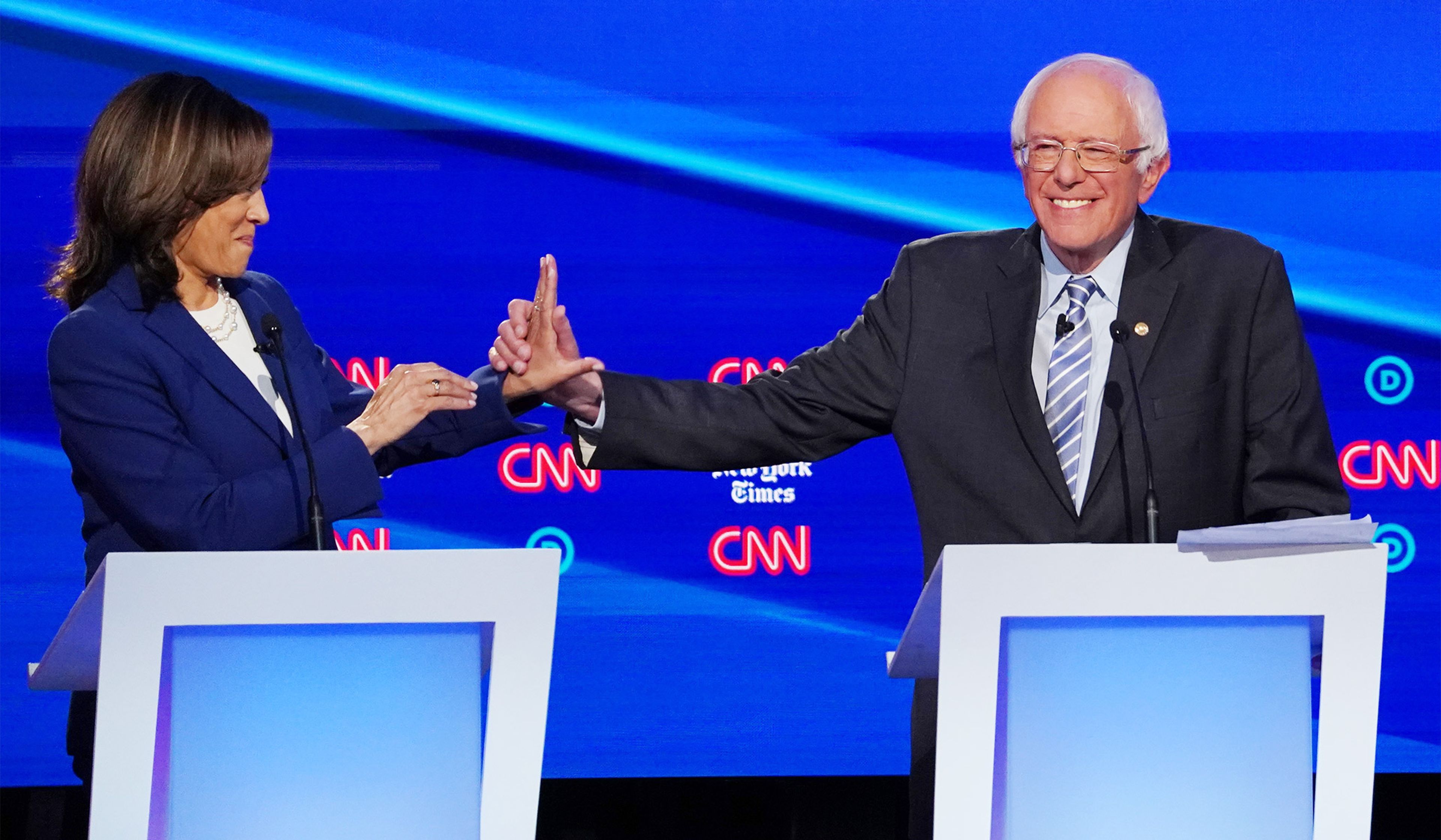
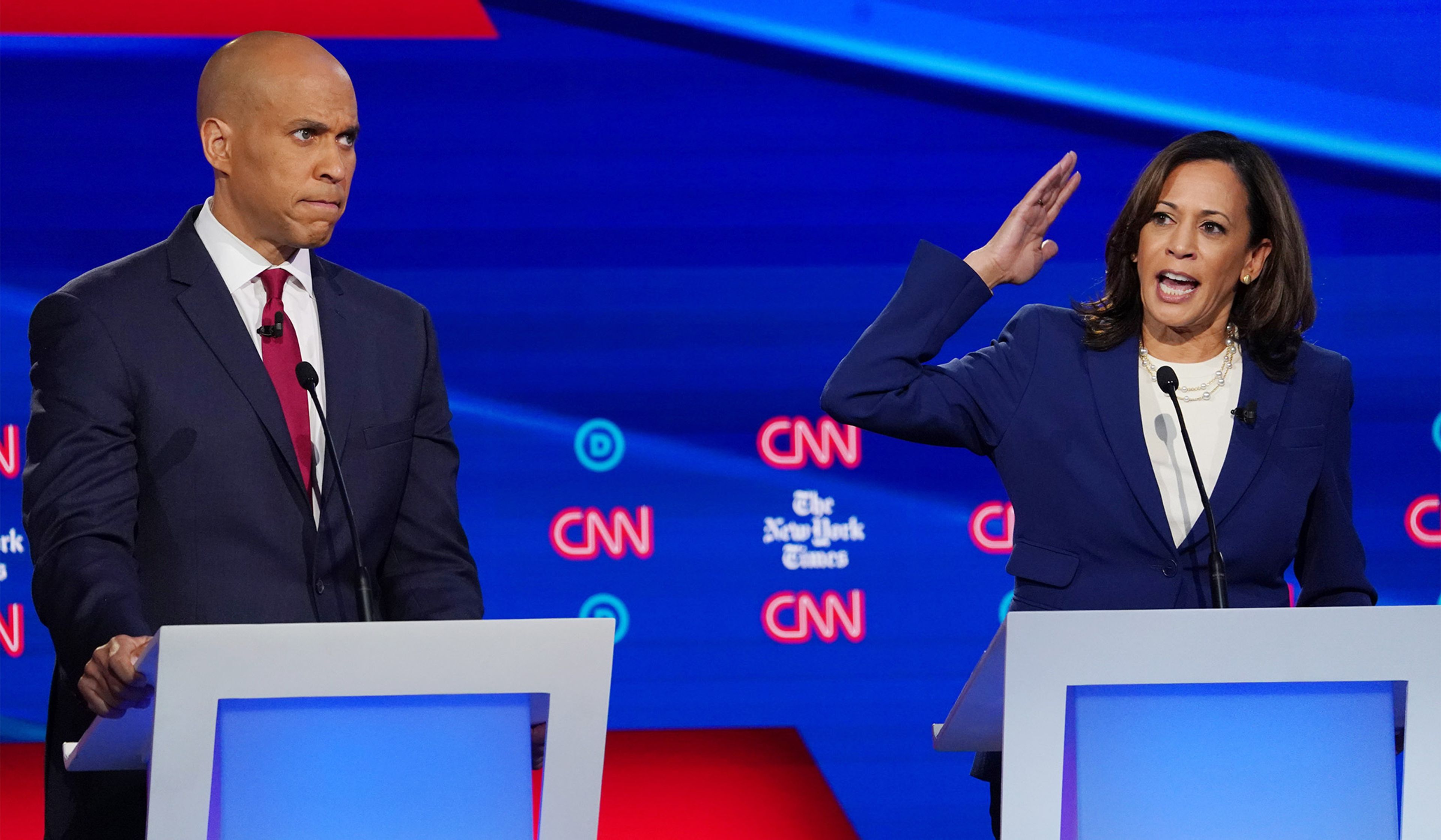
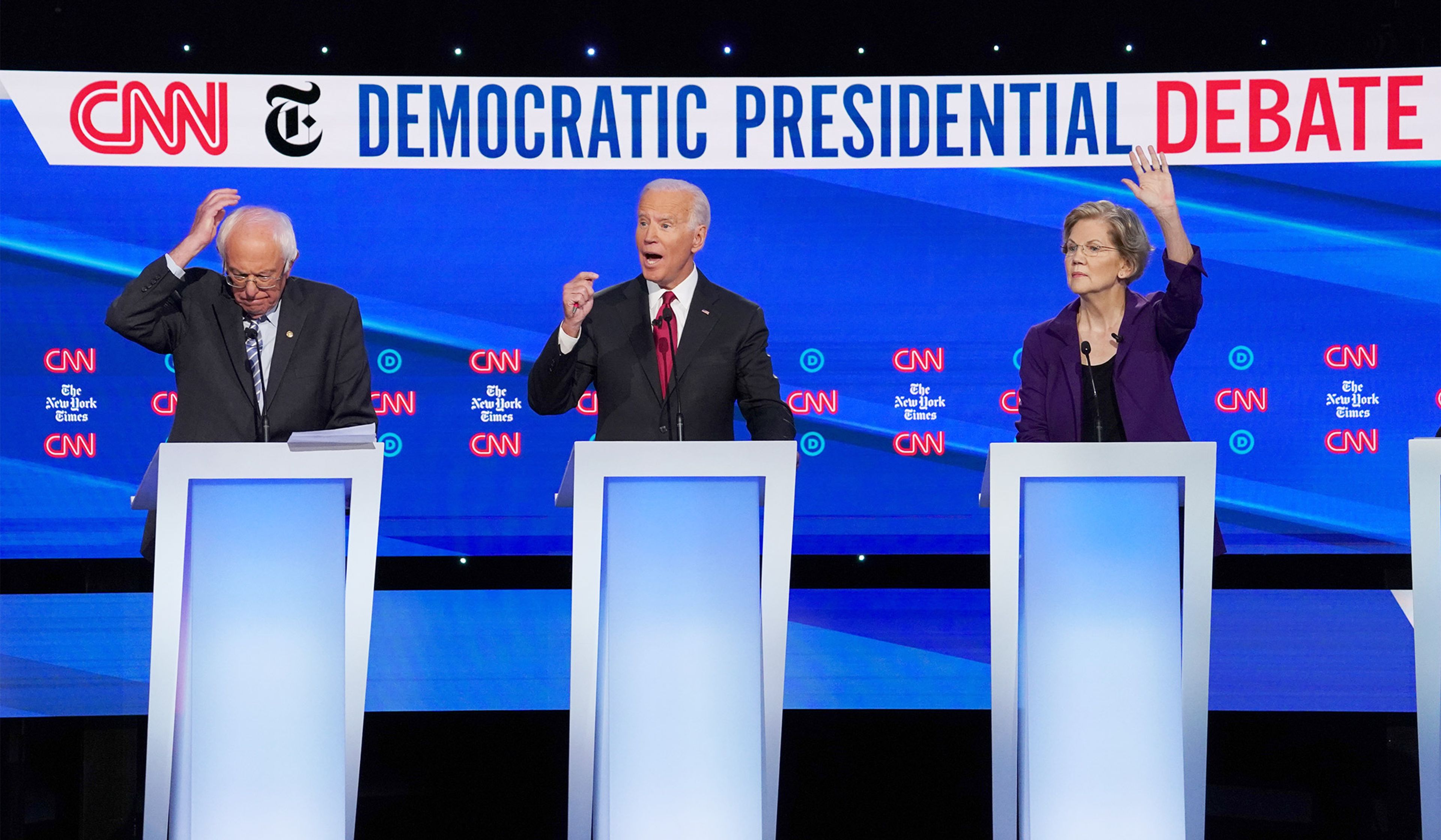
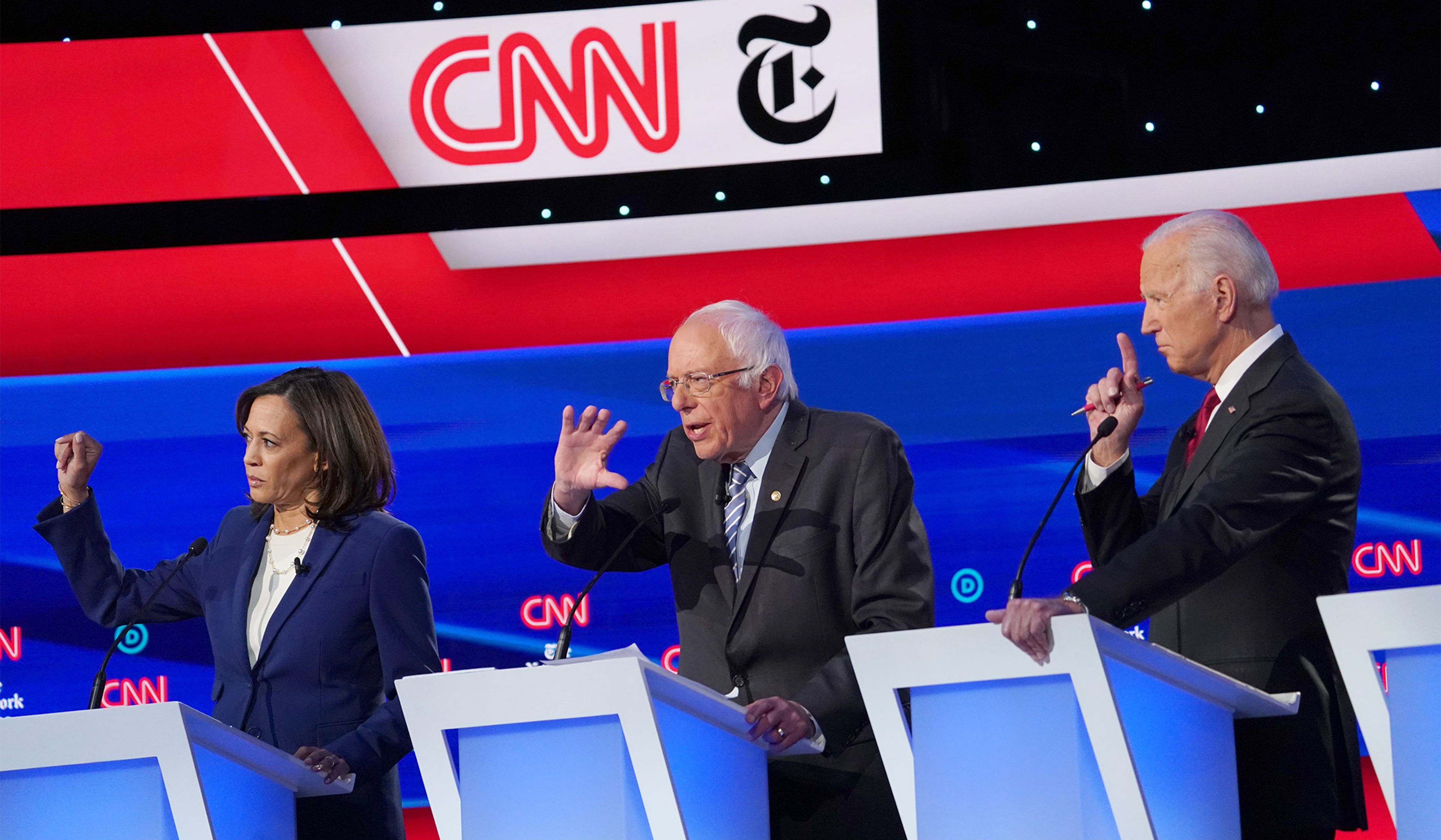
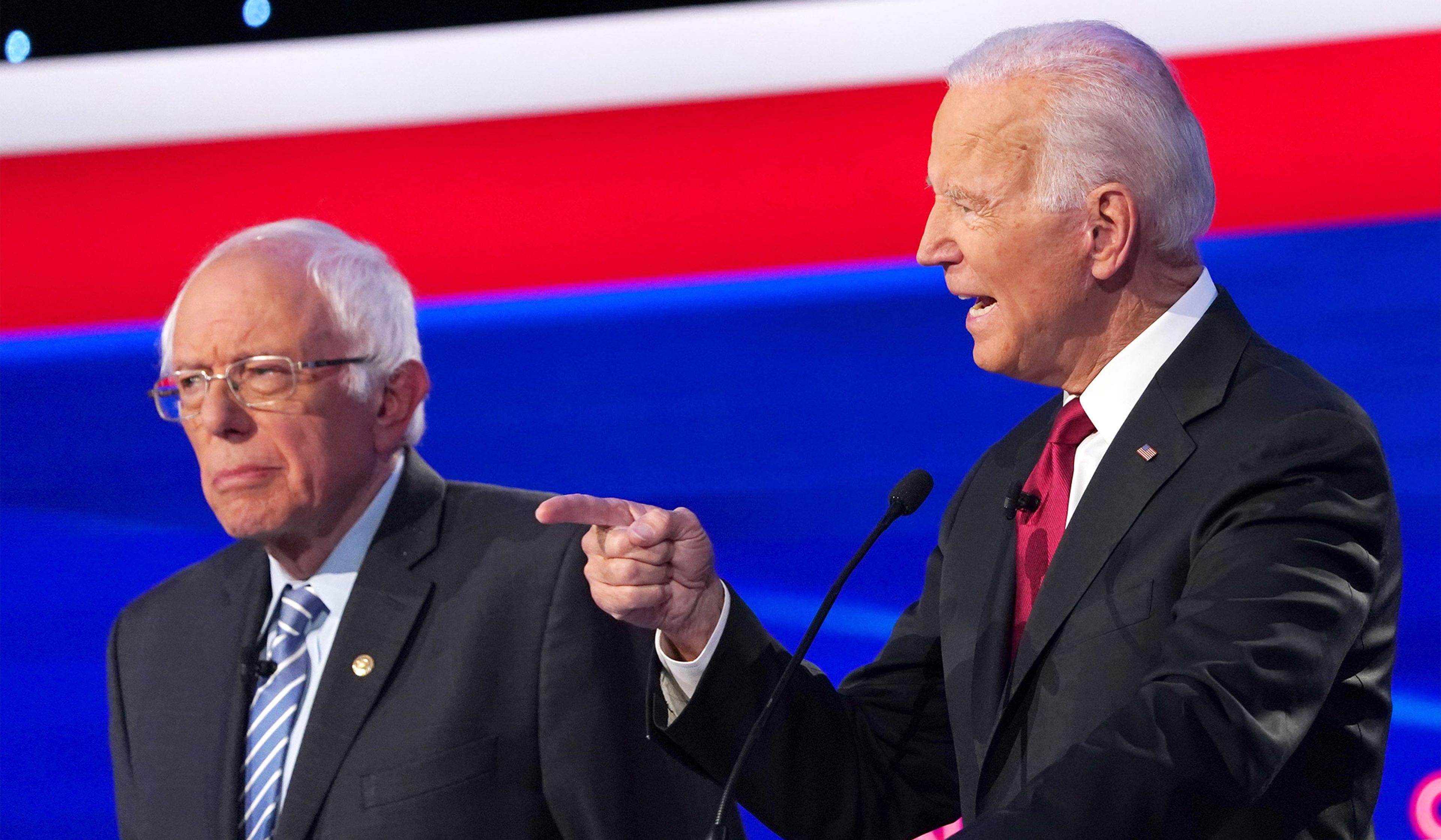
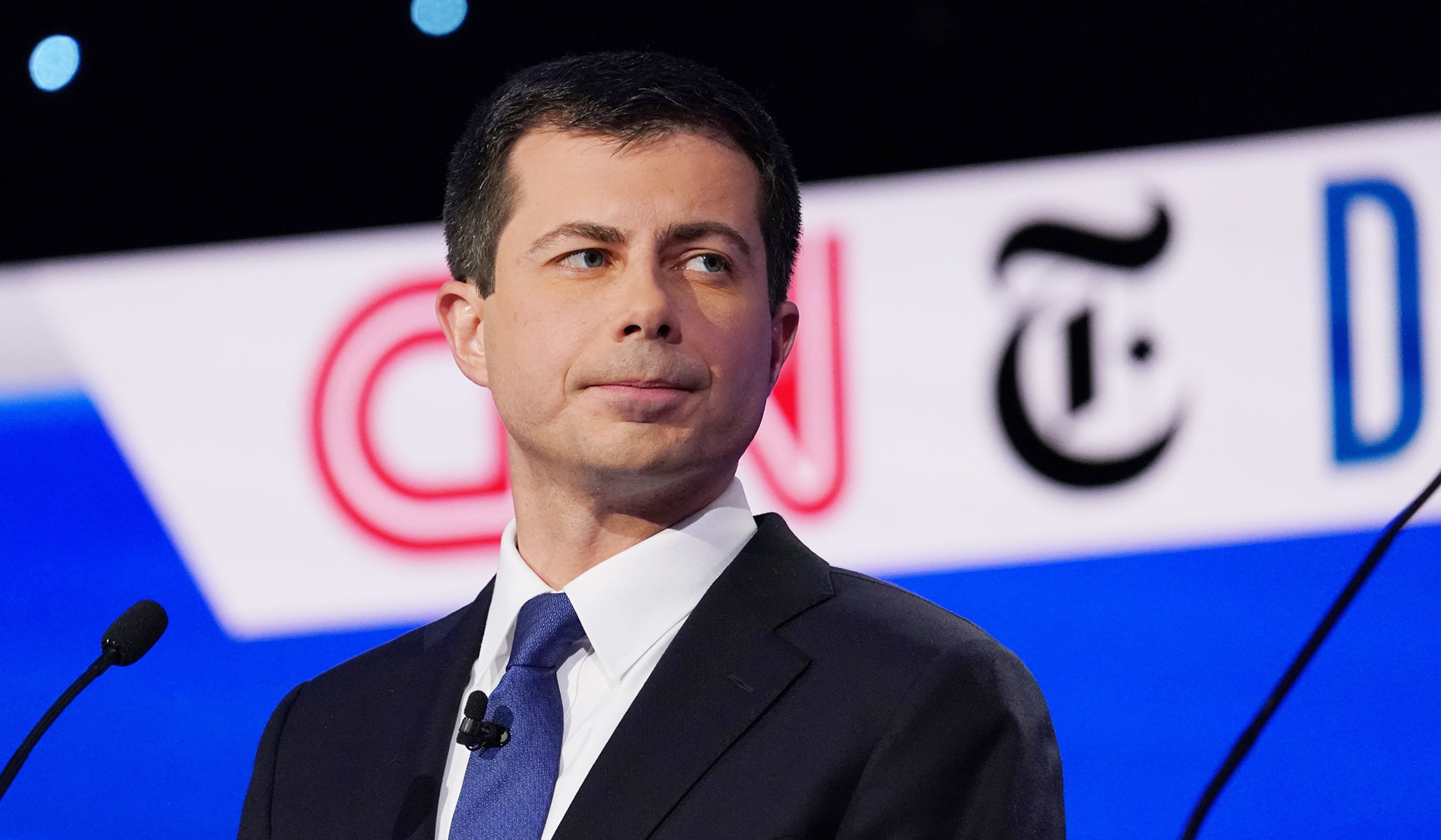
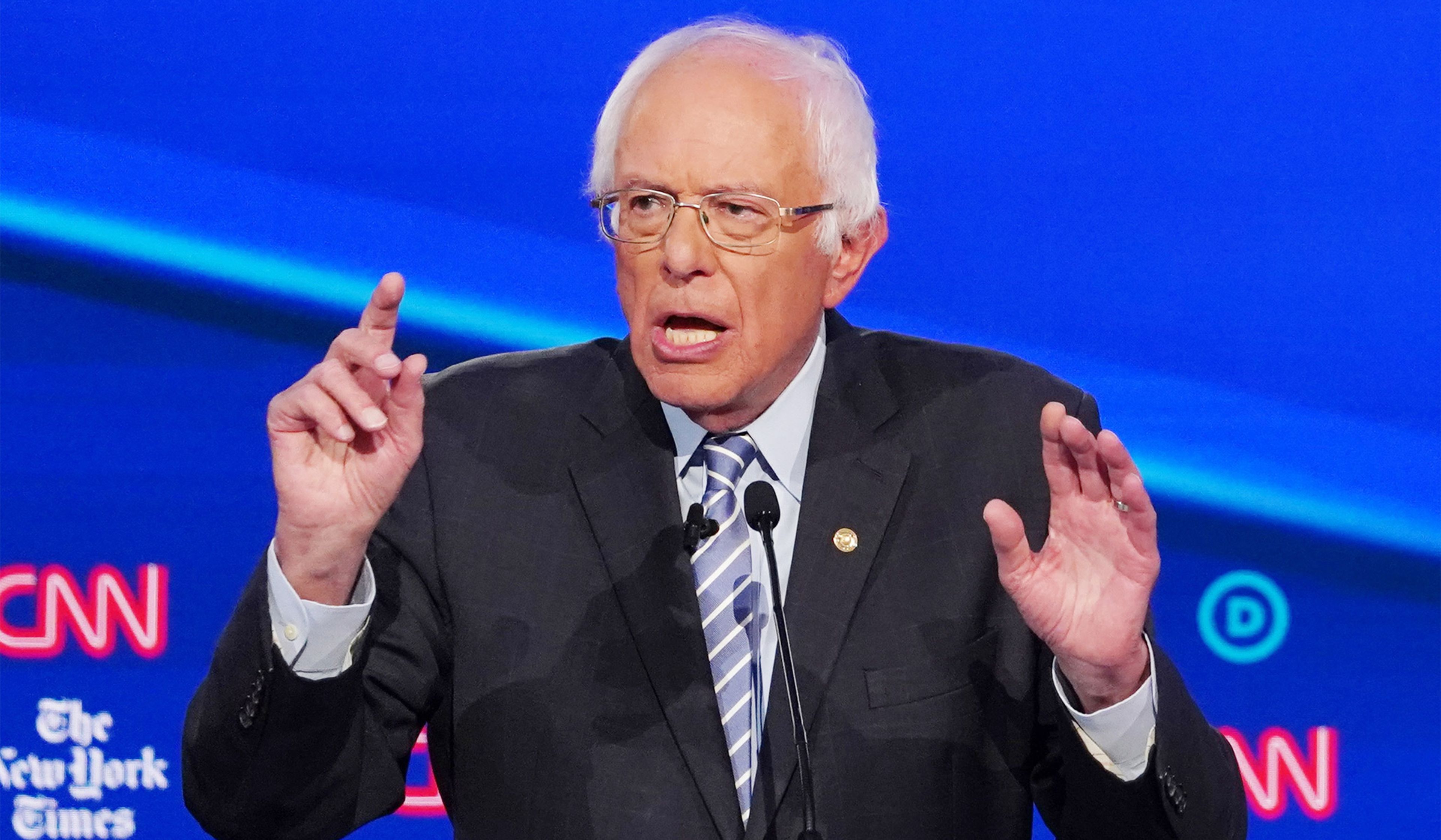
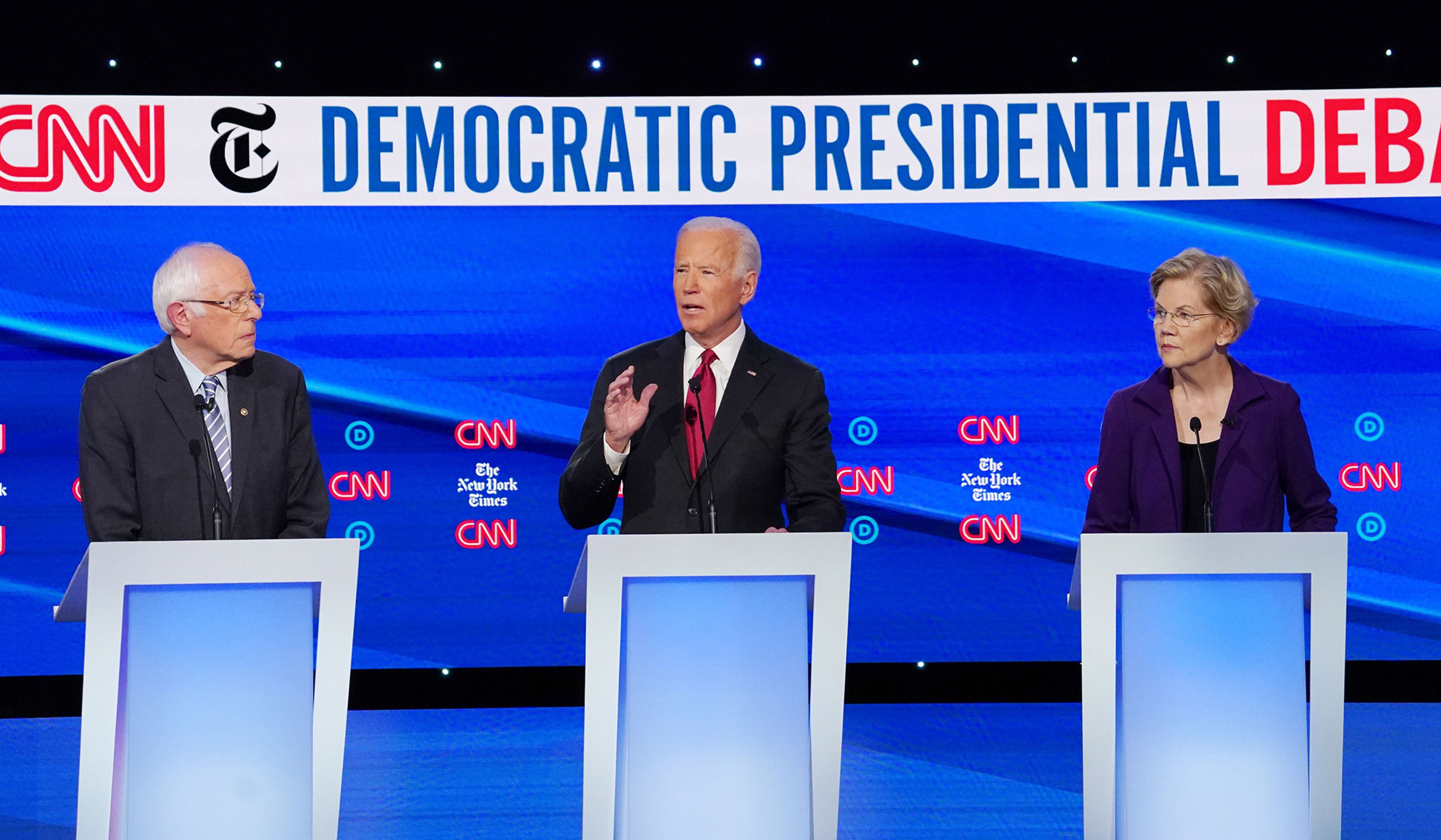
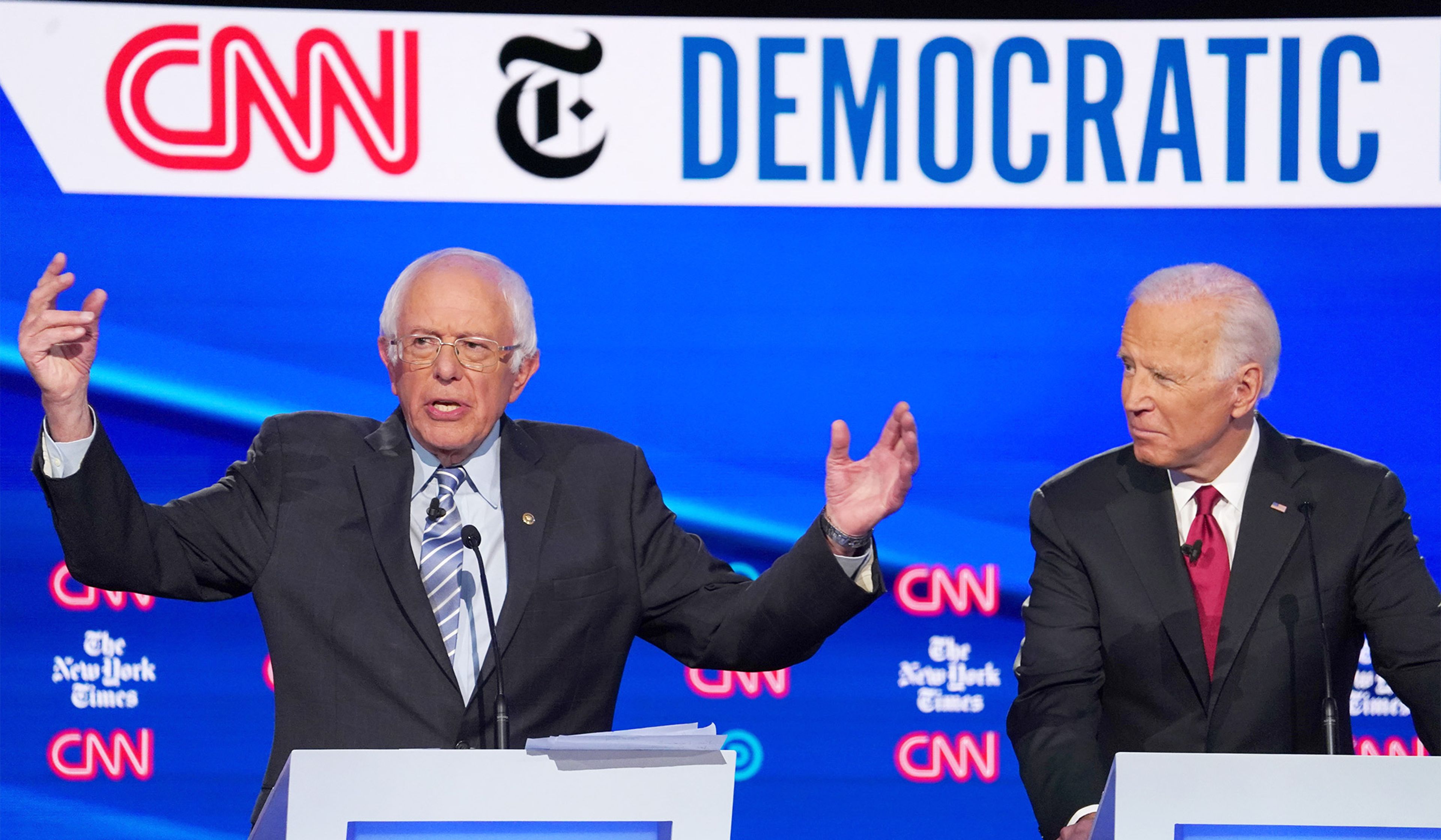
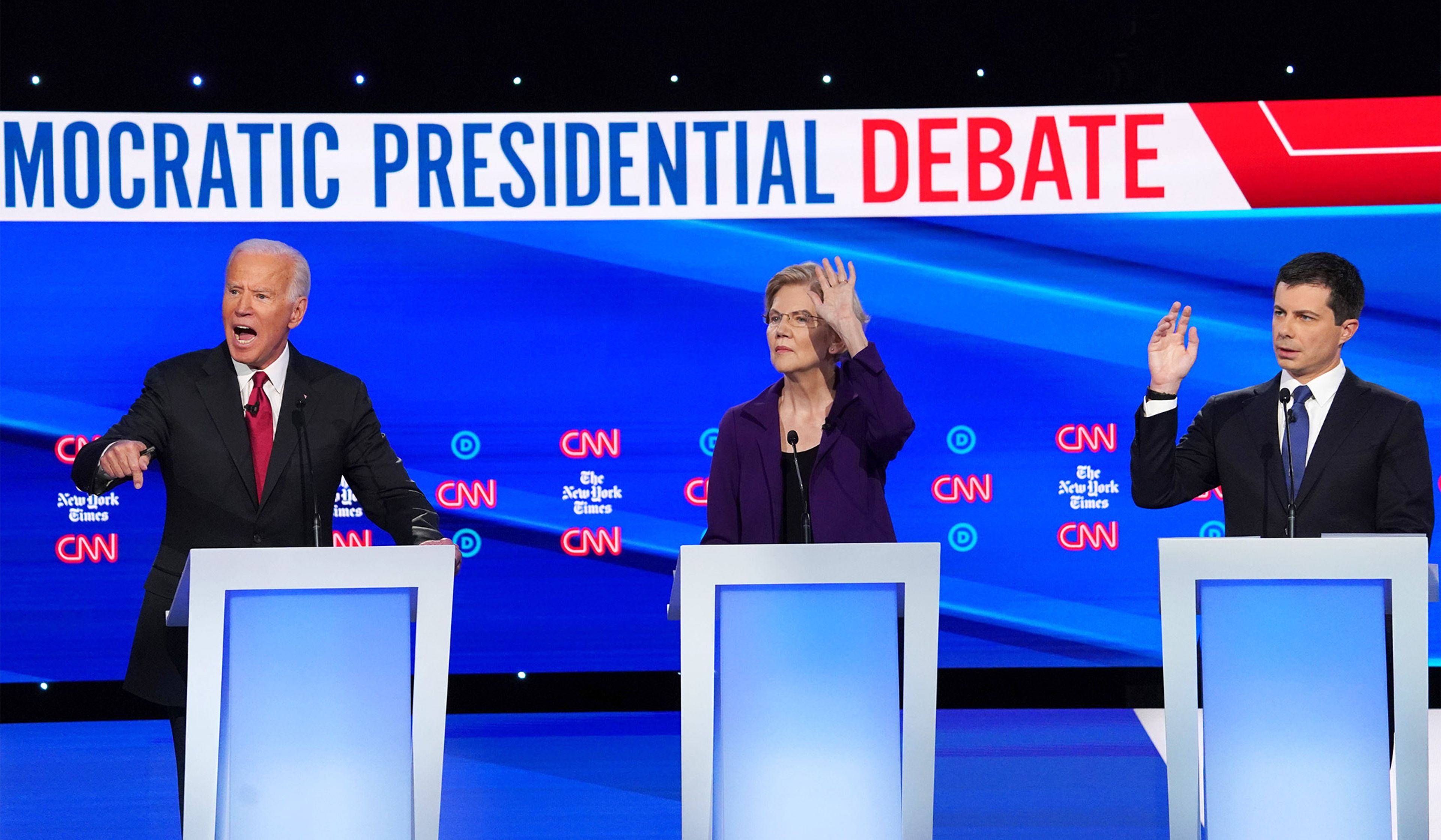
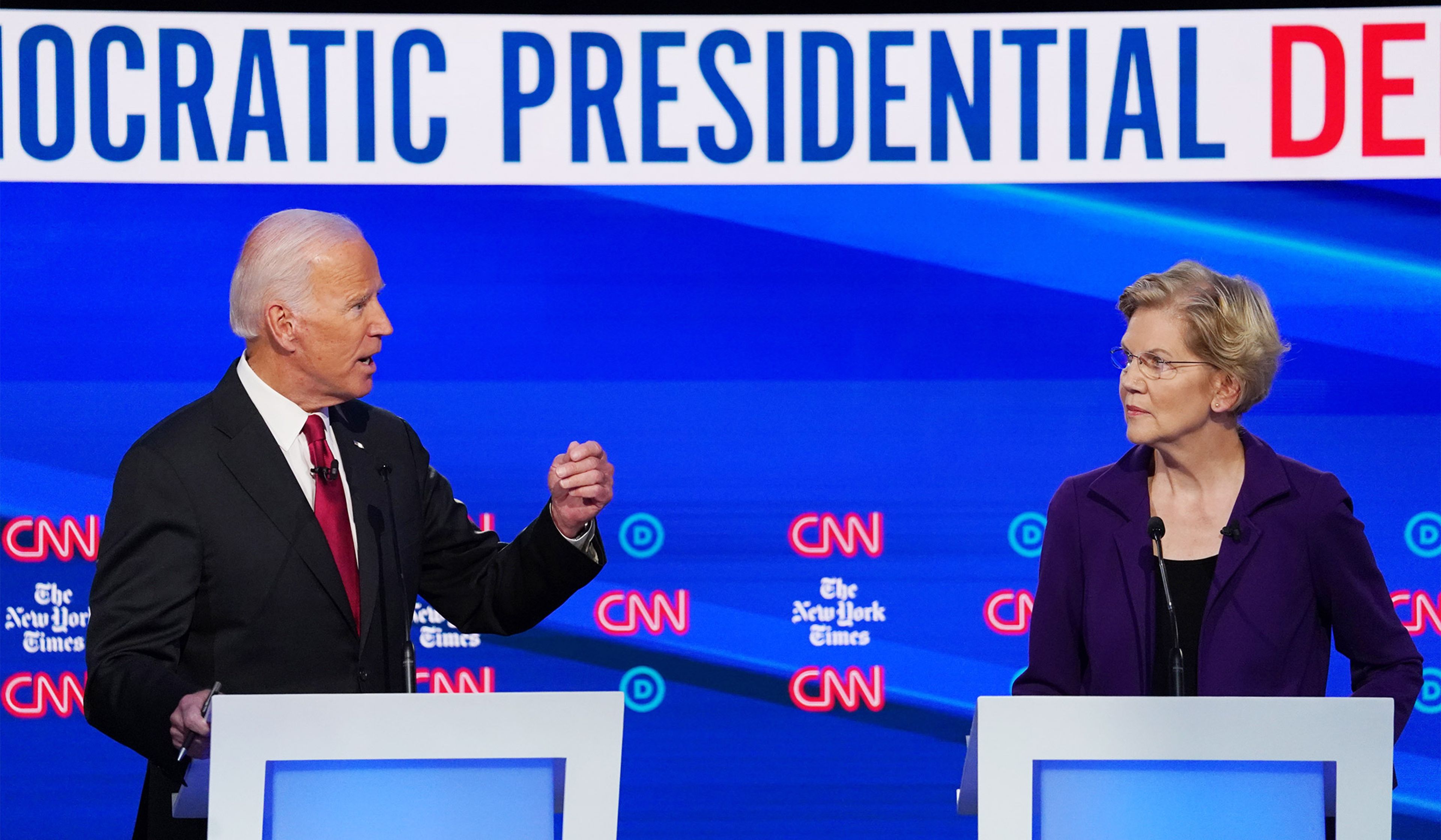
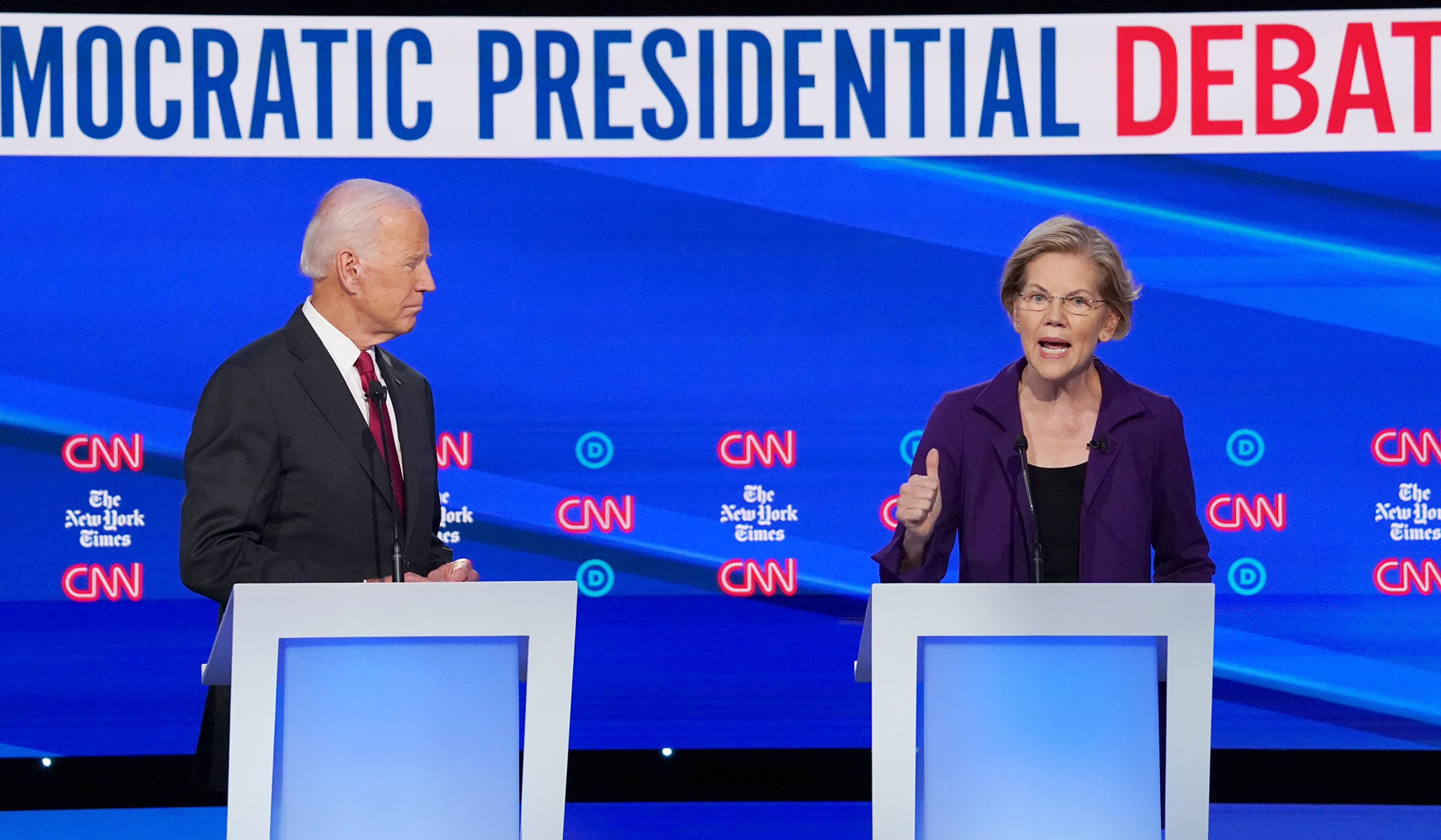
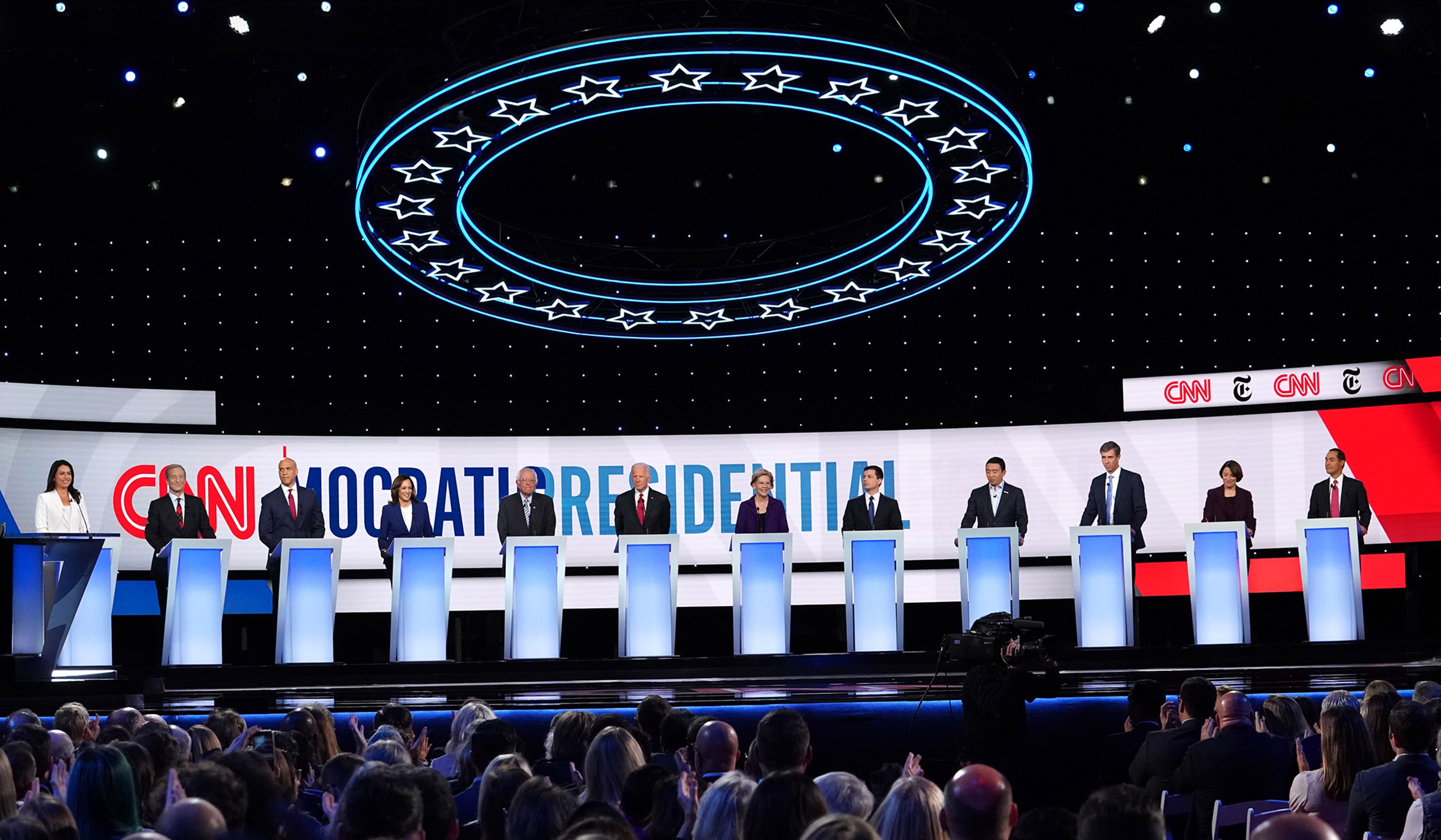
From left: Democratic presidential candidates Rep. Tulsi Gabbard, activist Tom Steyer, Sen. Cory Booker, Sen. Kamala Harris, Sen. Bernie Sanders, former Vice President Joe Biden, Sen. Elizabeth Warren, South Bend Mayor Pete Buttigieg, entrepreneur Andrew Yang, former Rep. Beto O’Rourke, Sen. Amy Klobuchar, and former Housing Secretary Julian Castro pose at the start of the Democratic presidential candidates debate in Westerville, Ohio, October 15, 2019.
Aaron Josefczyk/Reuters



Comments