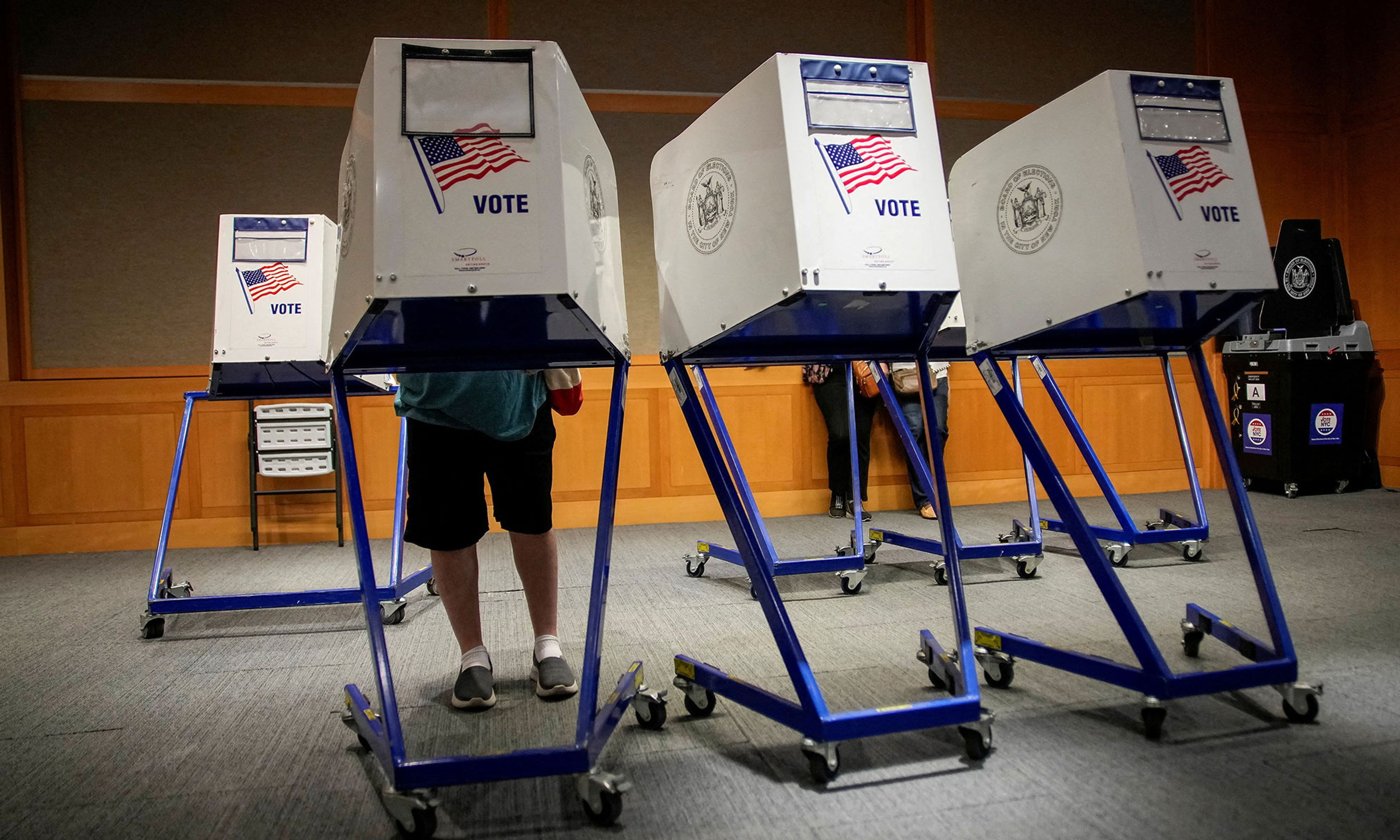
Ranked-choice voting (RCV) is the latest fad among election “reformers,” especially on the left. Maine and Alaska have adopted variations of it along with cities such as New York, Seattle, and Portland, Ore. But last week, an exposé in the New York Times revealed that, in Alaska, the campaign of Democratic Senate nominee had, with her knowledge, scoured the state for spoiler candidates in hopes of confusing voters and diluting her opponent’s vote. The scheme “involved secret trips to far-flung Alaskan communities and the appearance of a mysterious Midwestern operative, who traversed the state using a fake name” and burner phones.
The dirty tricksters included the Peltola campaign’s lawyers as well as senior aides at the , which supervises the party’s campaign strategy in all Senate races. These officials were regularly consulted on the project and even considered forming a new political party to draw conservative votes away from incumbent Republican Senator Dan S. Sullivan.

Comments