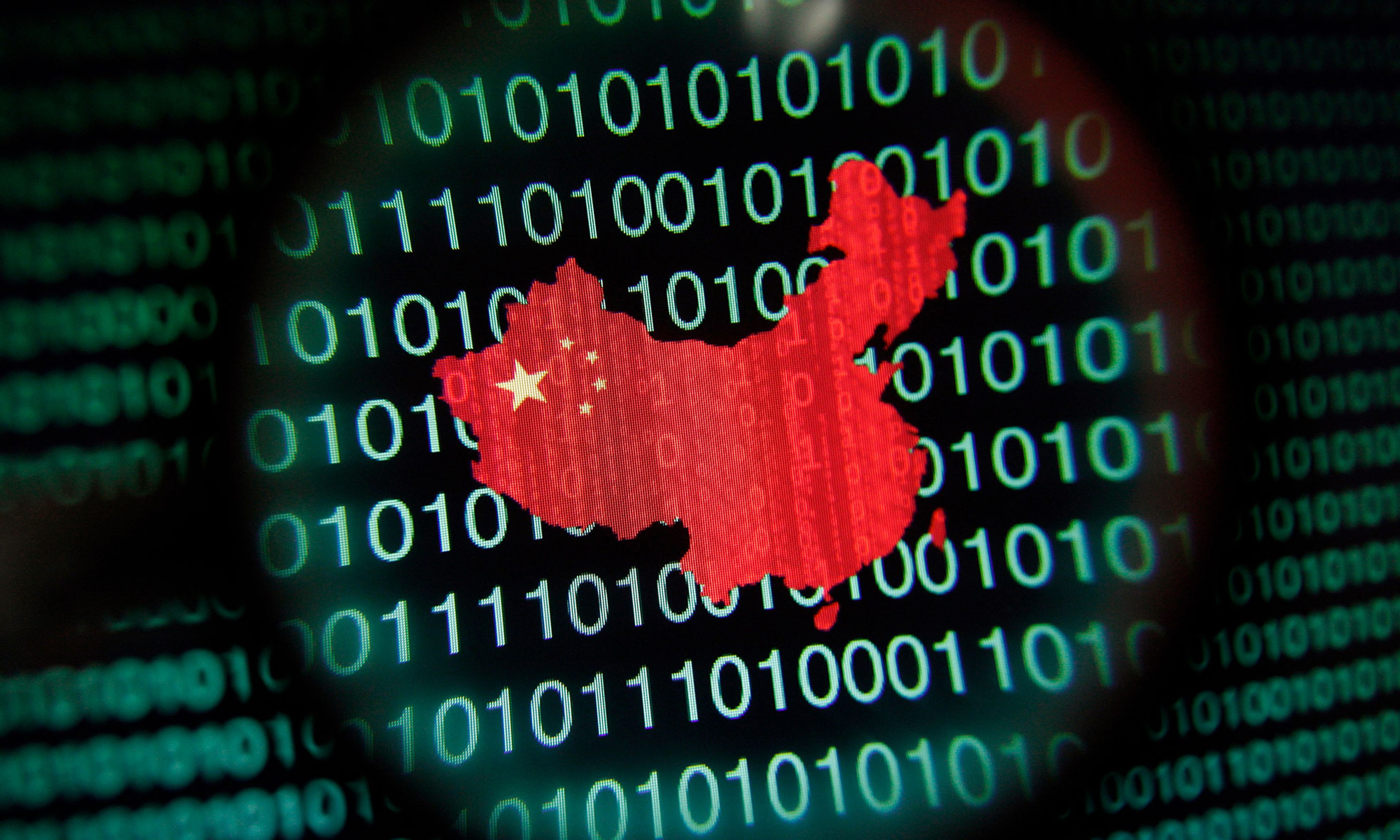
With many American universities conducting classes online during the fall semester, some college professors are worried that the Chinese Communist Party will attempt to monitor lessons about topics that are politically sensitive to Beijing. The Wall Street Journal reported Wednesday on the steps that instructors are taking to protect their students from CCP surveillance as U.S.–China relations continue their downward trajectory amid the coronavirus pandemic and China’s Draconian crackdown on dissent in Hong Kong.
The digital classroom is ripe for potential security breaches. Video-conferencing platform Zoom, which is widely used by universities, has in recent months faced allegations that it bows to pressure from the Chinese government. In June, for example, Axios reported that the company had temporarily suspended the account of a U.S.-based dissident for his participation in a virtual panel about the Tiananmen Square Massacre. But even for universities that use different video-conferencing software, the possibility of surveillance still exists. Under the new Hong Kong national-security law, Beijing claims the authority to prosecute anyone, Chinese or otherwise, who engages in what it deems subversive speech outside of China. Beijing has already charged American citizens for such actions. And while Chinese students have been hassled for things that they do and say in the United States before, the law’s astounding claim of universal jurisdiction puts them at greater risk.

Comments