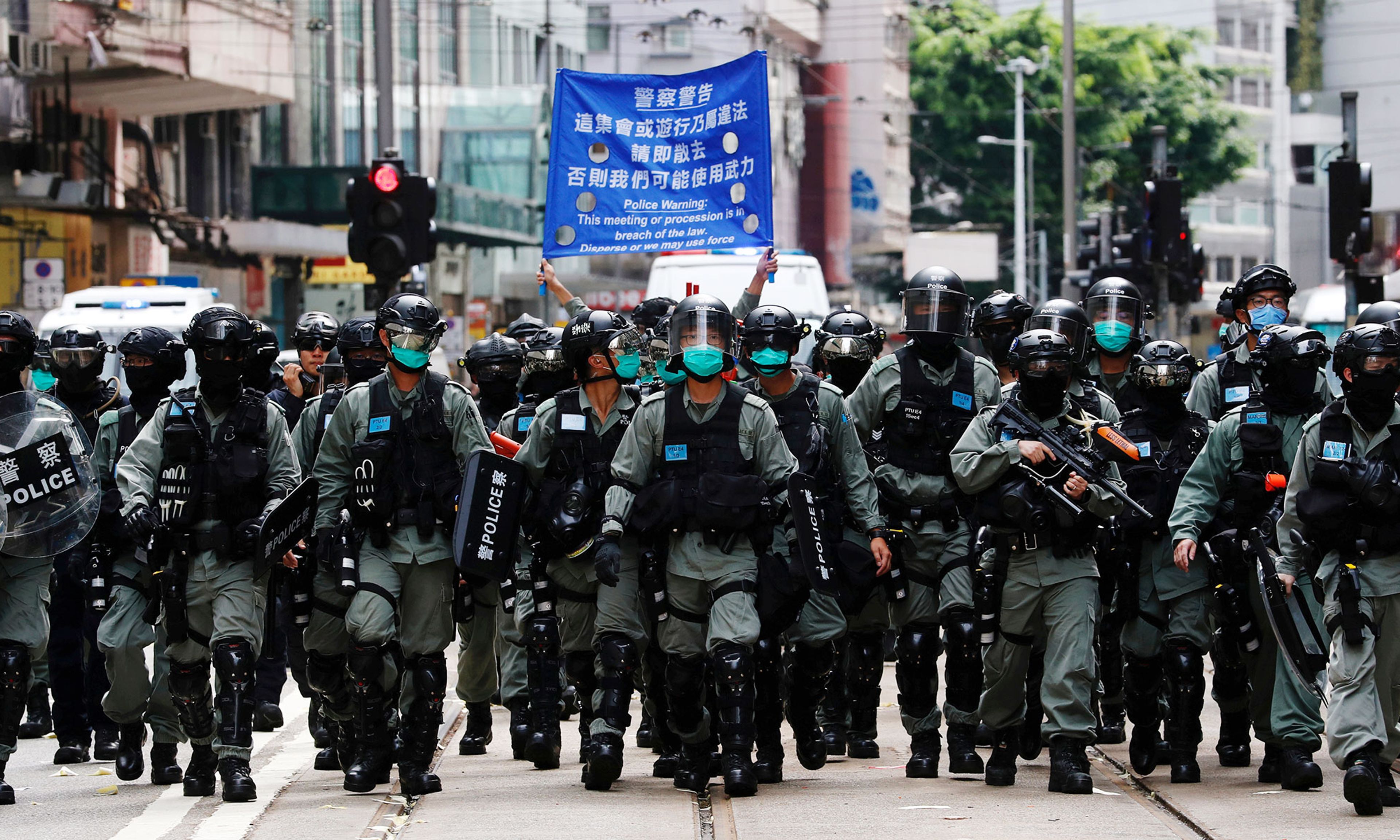
On June 30, the Chinese Communist Party’s Standing Committee, the functional seat of power in mainland China, approved a “national security” law that effectively obviates Hong Kong’s unique status. Under the new law, the contents of which were classified until it was passed, Beijing can arrest and extradite any Hong Konger it accuses of jeopardizing “national security.” Already, the government has begun to detain pro-democracy activists.
Extra-political crises — pandemics, global economic crashes, natural disasters — typically accelerate geopolitical trends rather than transforming them, and the COVID-19 pandemic is no exception. Since Hong Kong’s “handover” to Chinese suzerainty in 1997, the CCP has viewed the island as a threat and asset in equal measure. Hong Kong’s historical links to Europe and its developed economy made it an ideal bridge between post-Maoist China and global markets. But the city’s prosperity rested on its Western-style political institutions, which protected property rights and freedom of thought and were democratically accountable to its citizens. Hong Kong’s very existence proved that the Chinese people did not need a neo-imperial oligarchy to govern it, which made it an obvious problem for Beijing.





Comments