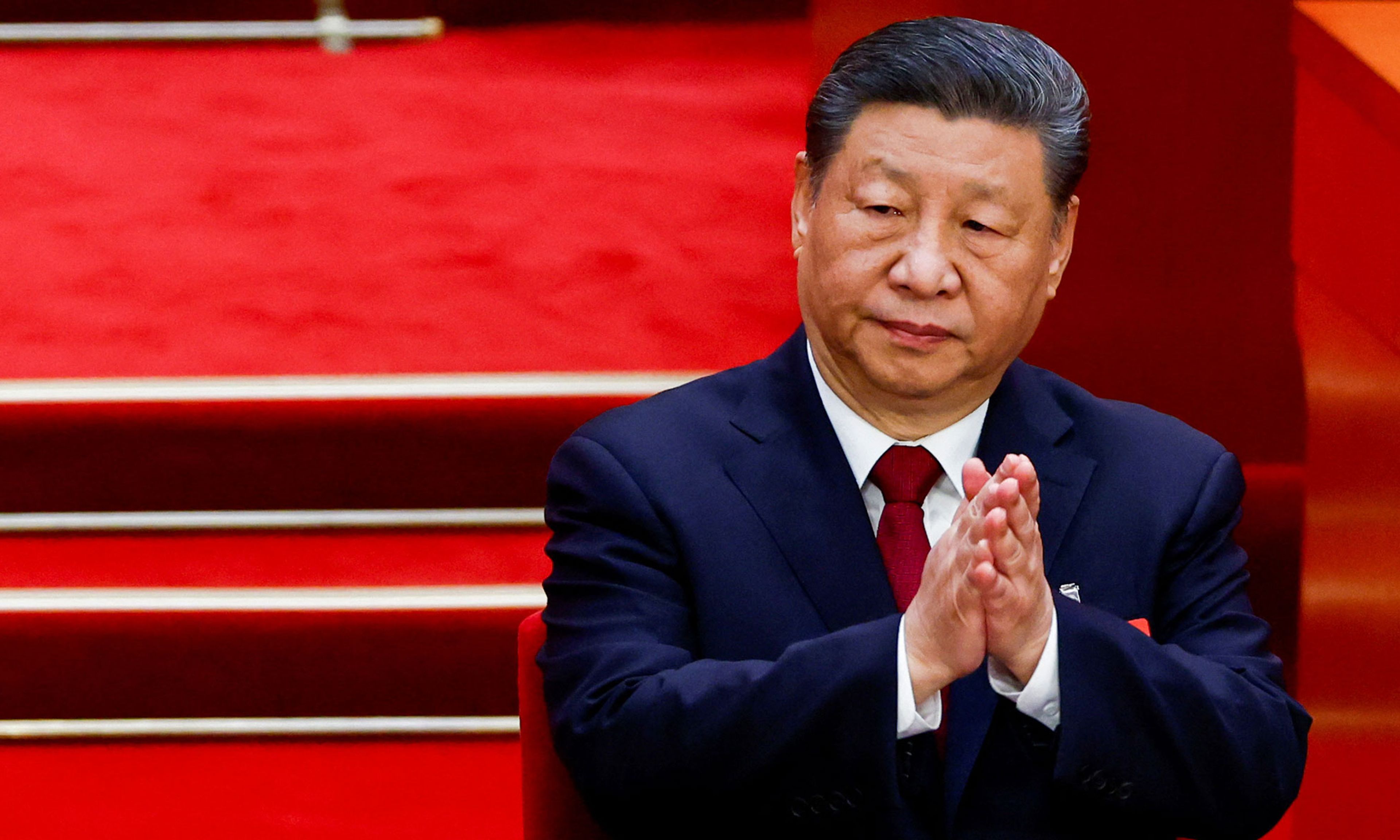
About a week after Washington released its latest U.S. National Security Strategy (NSS) — a document unusually frank about the imperative of securing the Western Hemisphere — Beijing issued its own Policy Paper on Latin America and the Caribbean. The timing was not coincidental. Together, the two documents reflect a sharpening great-power competition in a region that the United States has historically treated as its geopolitical sanctum — but that China increasingly views as an extension of its global contest with Washington. Beijing’s paper is more than an update; it is a blueprint for pushing back against the United States in its own hemisphere, and an assertion that the Taiwan question now underpins China’s global engagement — including in regions geographically far from the Taiwan Strait.
The NSS expressly reanchors American strategy in the Western Hemisphere to a renewed vision of the Monroe Doctrine. It identifies preventing outside great-power penetration in America’s backyard as essential to securing the U.S. homeland. This posture — described by some analysts as the Monroe Doctrine’s “Trump Corollary”— establishes that Washington will deny competitors the ability to position military or dual-use capabilities in the hemisphere, or to control critical regional assets such as the Panama Canal, Caribbean ports, and emerging logistics hubs. It is a statement of strategic geography: Before the U.S. can defend the status quo in the Indo-Pacific, it must first neutralize threats closer to home.


Comments