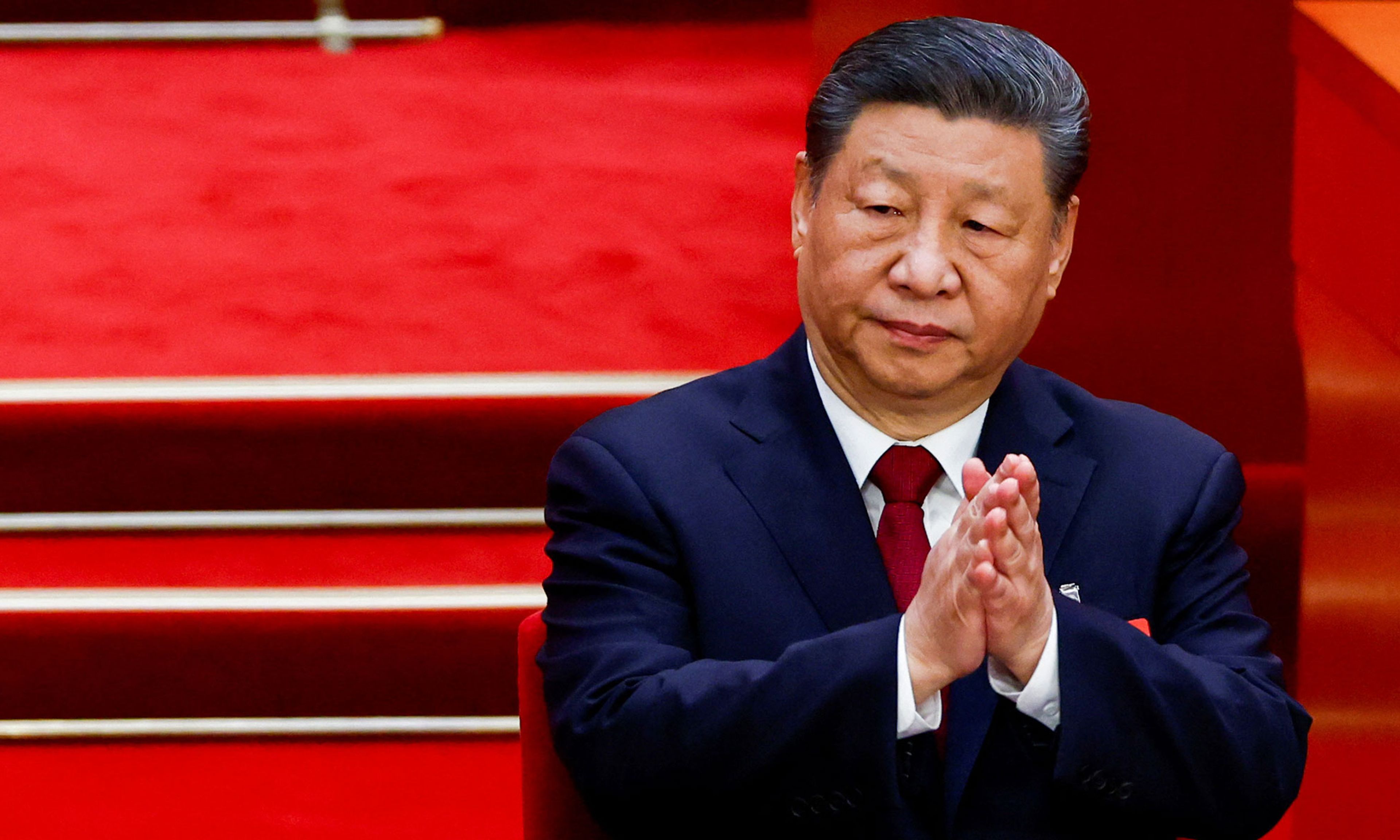
At the recently concluded annual plenum of the Chinese Communist Party’s Central Committee, Beijing unveiled the broad framework of its 15th Five-Year Plan, which is meant to set China’s direction for the coming half decade and beyond. The document, while couched in the CCP’s typical bureaucratic language, marks a significant evolution in the country’s grand strategy. It highlights three interlocking priorities — high-level technological self-reliance, enhanced domestic circulation, and party-building coupled with national security.
These elements together point toward what is best described as a “fortress without isolation” strategy. It is Beijing’s effort to consolidate internal resilience without closing itself off from the world: to fortify its economic and technological base while keeping channels of global engagement open where they serve Chinese interests. This design reflects both a response to external pressures — especially from the United States — and an assertion of China’s evolving self-perception as a global superpower seeking autonomy within interdependence.



Comments