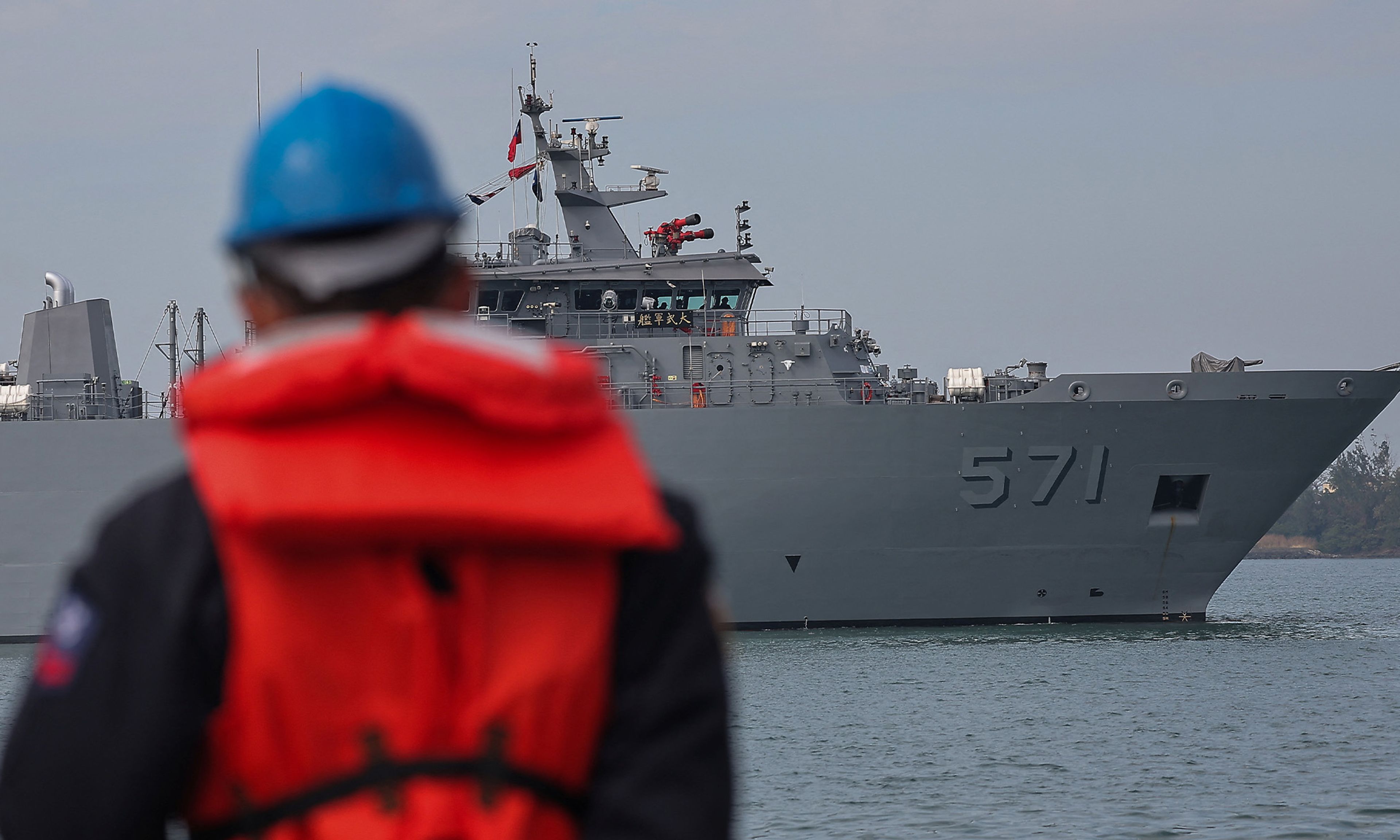
A key driver of U.S. policy in the Indo-Pacific is the set of security arrangements necessary to prevent the PRC from taking Taiwan by military force. The former commander of the U.S. Indo-Pacific Command, Admiral Phil Davidson, helpfully defined in 2021 what he and Pentagon planners saw as a six-year timeframe (by 2027) that reflected Xi Jinping’s thinking about taking control of Taiwan. Davidson also warned that the U.S. should acknowledge Xi’s directives to his own planners about Taiwan as a critical step on the road to Xi’s objective “to supplant the United States and our leadership role in the rules-based international order” by 2050. Xi turns 72 this year. While he is unlikely to be in power in 2050, his legacy depends on this vision. That vision depends on Xi achieving the absorption of Taiwan before it is too late for him to accomplish.
Xi’s designs on Taiwan have become known in strategic planning circles as the “Davidson window,” and focused U.S. and allied planners on shortfalls in shipbuilding, weapons procurement, and the range of priorities that would be needed in the U.S., Taiwan, and our other allies in the region to counter Chinese ambition to displace the U.S. in the Indo-Pacific. But Beijing does not intend kinetic military confrontation if it can achieve its objectives without it. It isn’t clear that Xi has much confidence in his military leadership, which he has purged and continues to do — for corruption and incompetence, and to eliminate potential rivals. Xi knows that, as with all military conflict, a hot war with Taiwan would proceed quite differently than anyone can know (see Russia’s invasion of Ukraine.) This also is contrary to Xi’s ideology, which is informed by traditional Chinese philosophers, including Sun Tzu, who argued, in effect, that armed conflict is for suckers; the last preference for achieving strategic objectives.



Comments