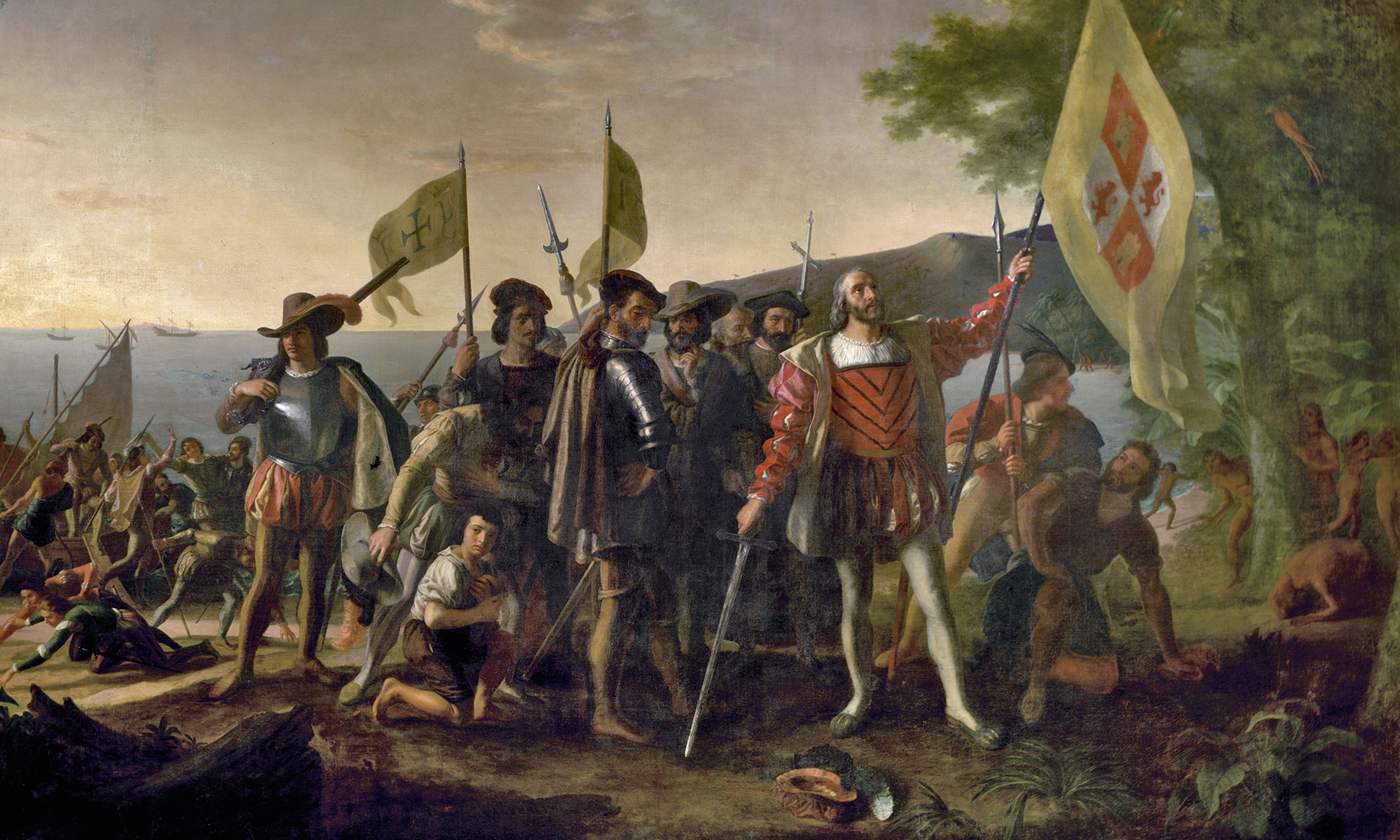
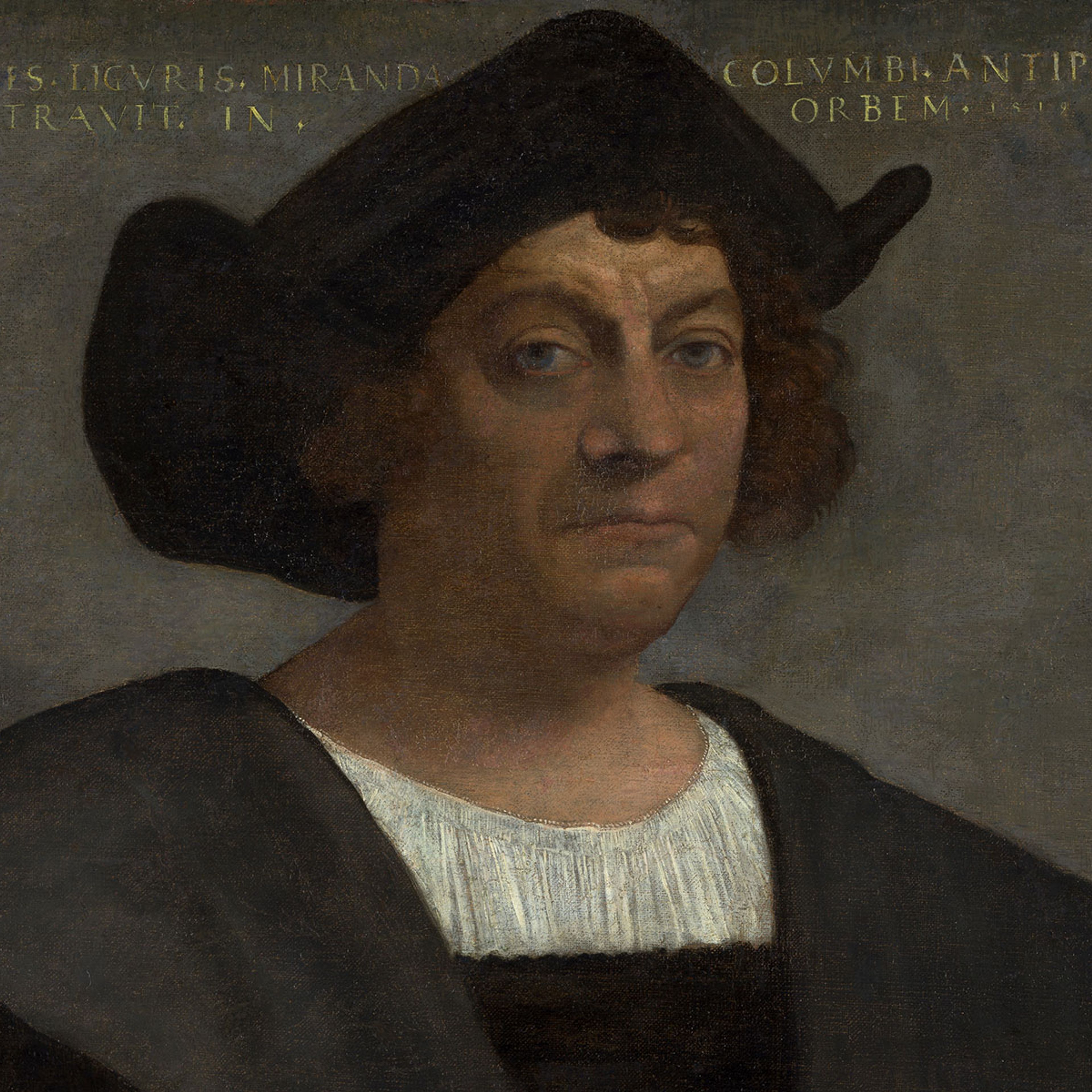
In recent decades, Christopher Columbus has become a target of a sustained cancellation campaign. Statues of the explorer have been toppled, vandalized, or removed from public spaces across the United States and Latin America. Cities and states have replaced Columbus Day with Indigenous Peoples’ Day, and school curricula increasingly present him as the primary villain of the Age of Discovery. While legitimate debate over historical interpretation is healthy, much of this modern “war on Columbus” rests on simplified or distorted claims. A clearer understanding of the man and his achievements requires examining the most common myths that now surround him.
Christopher Columbus remains one of history’s most polarizing figures. Over five centuries, popular accounts have alternately cast him as a heroic discoverer who proved the world was round or as a genocidal villain solely responsible for the destruction of Indigenous peoples. Both caricatures obscure a more complex historical reality. A clearer picture emerges when examining several persistent myths: that Columbus was an incompetent sailor blundering across the ocean; that the Norse reached North America before him in a way that diminishes his achievement; that he personally orchestrated the mass killing of Native populations; and that he viewed the Indigenous inhabitants with unrelieved hostility.


Comments