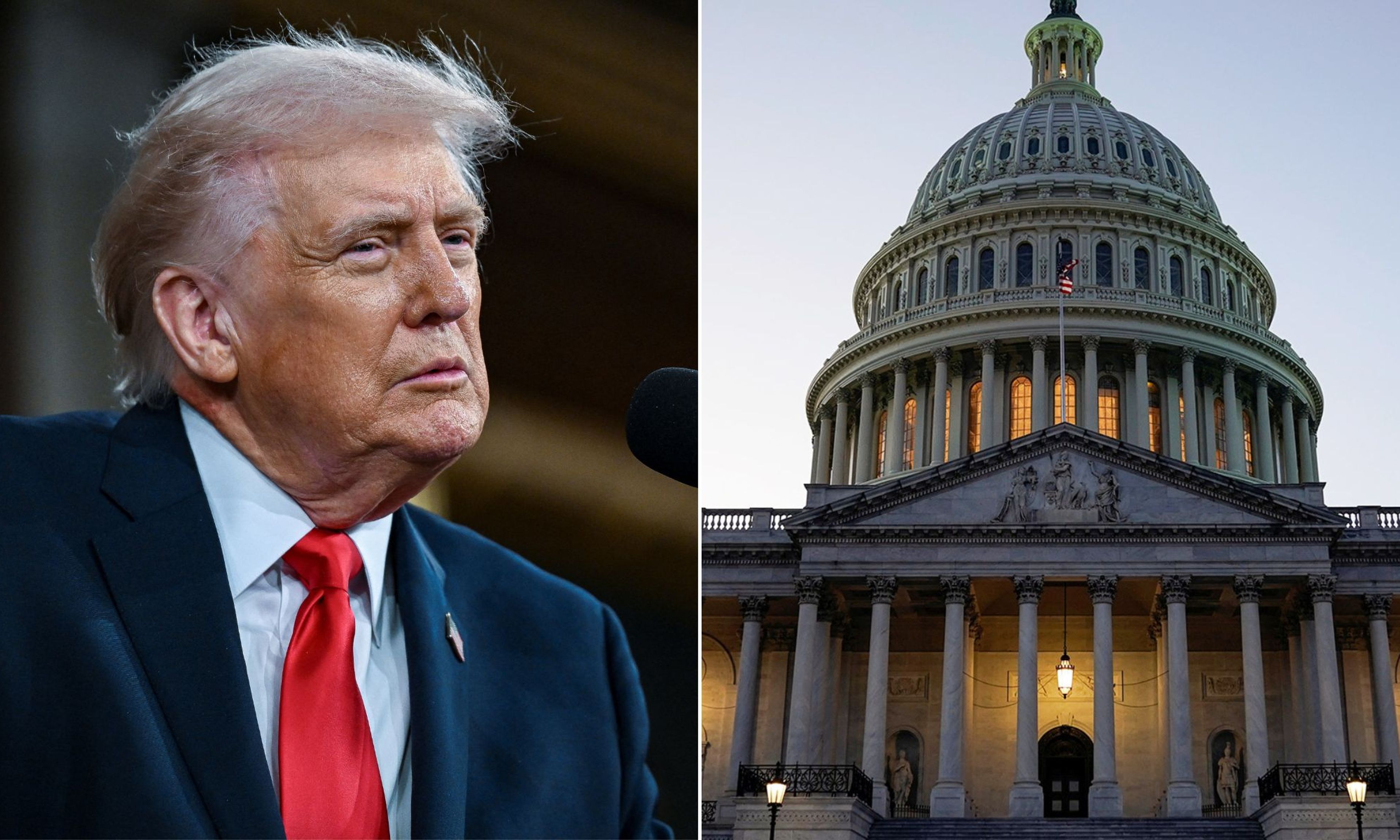
Congressional critics of the strikes on Iran will force a vote this week on whether to condemn the Trump administration’s conduct. But even though they have a good case for a robust debate over the war’s merits, they are striking political poses when constitutional seriousness is called for. The truth is that Trump’s critics have plenty of tools to stop a war if they wished — a funding cutoff most prominent among them. Without one, the executive branch will continue to have the constitutional right to conduct a military campaign against the mullahs in Tehran.
History shows that the Constitution has never required Congress to provide its assent before presidents have launched hostilities. Of course, the Constitution grants Congress the power “to declare War,” which the legislature used at the start of the conflicts in 1812, 1848, 1898, 1917, and 1941. But starting with George Washington’s campaign against the Indians on the western border and Thomas Jefferson’s expedition against the Barbary pirates, presidents have long used force abroad — more than a hundred times, in fact — without declarations of war. The Korean War — which lasted three years, demanded 320,000 U.S. troops, and killed 36,000 American servicemen — never received any form of congressional authorization. Instead, President Truman led a war to protect the country’s national security and foreign policy, and Congress voted the troops and weapons necessary to fight it.





Comments