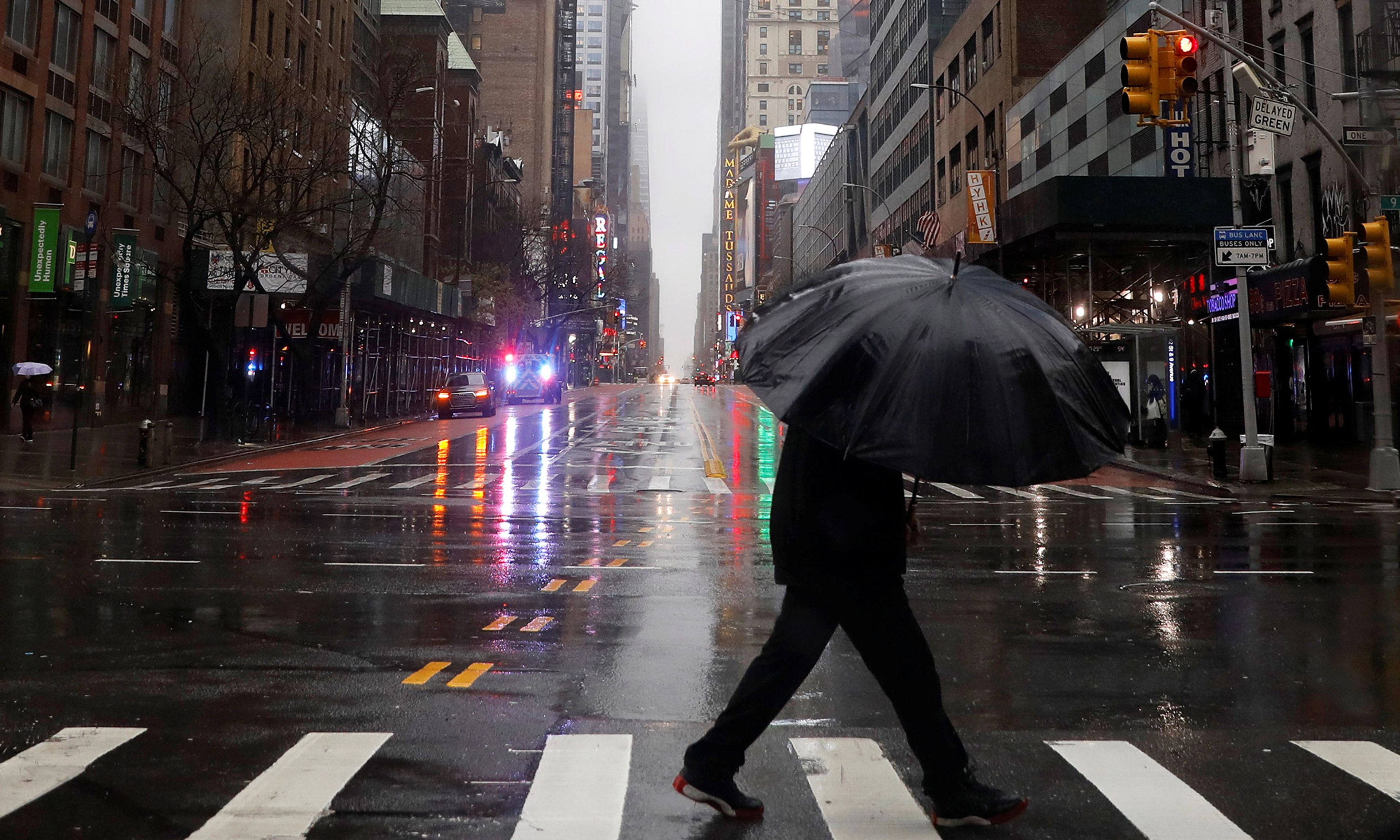
In mid-April, as the coronavirus gripped New York City, Brian Lehrer of WNYC hosted a call-in segment for listeners who had struggled with addiction. Simone, from Brooklyn, who attended Narcotics Anonymous, told Lehrer that she was initially “skeptical” of Zoom meetings but that they were working well for her. Vilma, of the Bronx, said working from home gave her a sense of control over eating that she never had before. Three other callers were managing well, including Stuart, who was now getting extra methadone take-home bottles, because of COVID-19 accommodations, but felt no urge to drink more than one per day, as prescribed.
Judging from the show’s tagline, “For those of you struggling with addiction, mandated social isolation is particularly cruel,” the producers clearly expected something other than these upbeat testimonials. Some of my colleagues have a similarly grim, and similarly misplaced, view, predicting that a pandemic of mental illness will follow the coronavirus pandemic. A former surgeon general, Dr. David Satcher, has called for a “government taskforce on coronavirus-based trauma.” And a consortium of mental-health groups has requested a whopping $10 billion from Congress to address the impending “mental health and addiction crisis,” an amount almost twice the 2020 budget request of the federal Substance Abuse and Mental Health Services Administration (SAMHSA).




Comments