On November 26, 2019, I gave an invited lecture to university students in the beautiful Lombard city of Brescia, one of at least 25 small and medium-sized Italian cities between Rome and the Alps that provide some of the most humane, livable urban habitations in the world. In the early evening my host walked with me through the city, which in addition to its Medieval, Renaissance, and Baroque buildings — churches and palaces (including a monastery founded in 753 a.d.) — also contains the well-preserved ruins of a Roman theater and the Capitoline Temple (73 a.d.). Pope Paul VI was born near Brescia; Pope John XXII near Bergamo. The quiet elegance and wealth of this city of about 200,000 people, like its smaller, even more picturesque neighbor Bergamo, provide a poignant reminder of how gracious and humanly scaled pre-19th-century cities could be, despite their injustices. I later drove for about an hour to my home in nearby southern Switzerland, wondering why I had not in nearly 50 years of living in this part of the world stopped to visit Brescia.
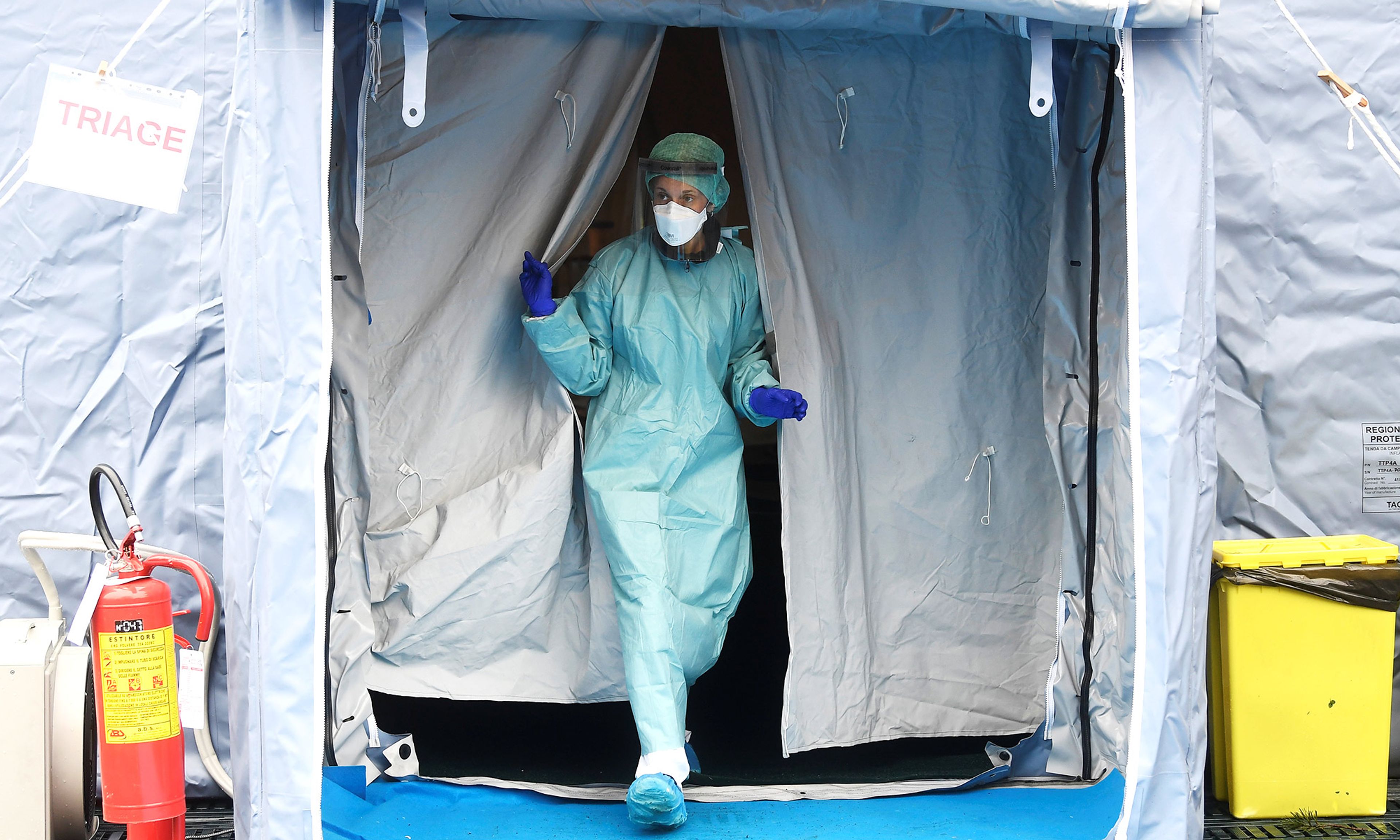
Three months later, at the end of February, Lombardy was the epicenter of the Coronavirus plague, with staggering death totals especially in Bergamo and Brescia, and hospitals and health professionals nearly overwhelmed. Other Lombard cities, including the nearby capital, Milan, the city of Saint Ambrose, St. Augustine, and Alessandro Manzoni, and the true center of Italy’s commercial and industrial life, are experiencing the same crisis, with attendant social isolation as a defensive tactic. An eerie, sinister, unexpected experience for people living in Italy’s wealthiest — and one of Europe’s wealthiest — most educated, and most long-civilized regions (the sociologist Robert D. Putnam and two Italian colleagues pointed out how long and deeply civic traditions have prevailed in northern Italy in Making Democracy Work: Civic Traditions in Modern Italy (1993)). Lombardy and the adjacent Veneto are also Italy’s most religiously devout regions, notable for lay spirituality and philanthropy.





Comments