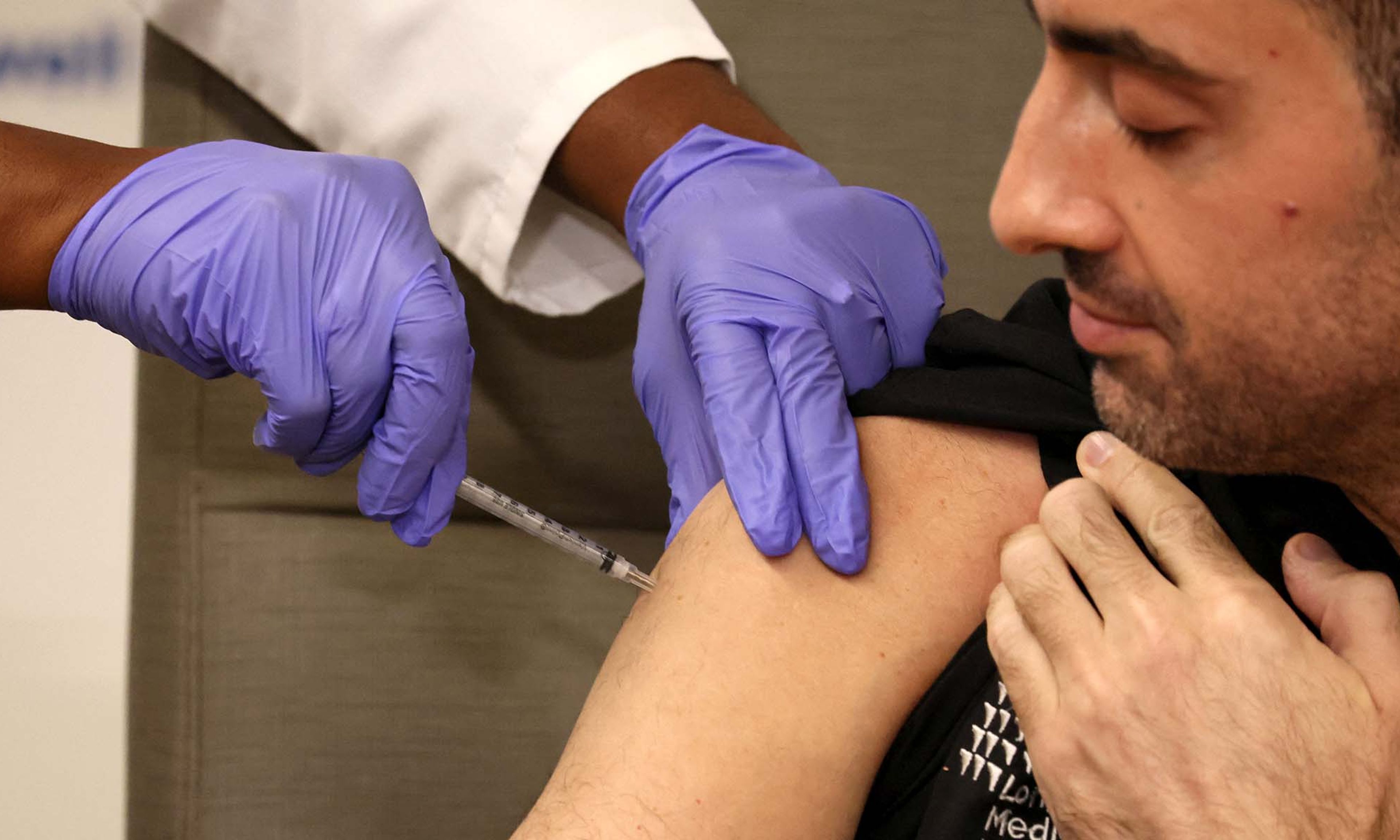
Anew large, multi-country study has confirmed what previous smaller studies found: Covid-19 vaccines have risks. In particular, the messenger RNA (mRNA) vaccines from Pfizer and Moderna were associated with increased risk of heart problems for males under 40, and the viral vector vaccine from Astra Zeneca was associated with a significant increase in neurological and hematologic problems. This information ought to be used to update U.S. vaccination recommendations, particularly for young people who have little risk of severe Covid-19 disease or death.
Covid vaccines reduce the disease’s severity and risk of death and provide partial, short term — measured in a few months — protection against infection. But those benefits are less important for groups with a low baseline risk, and they must be balanced against the risks associated with vaccination.





Comments