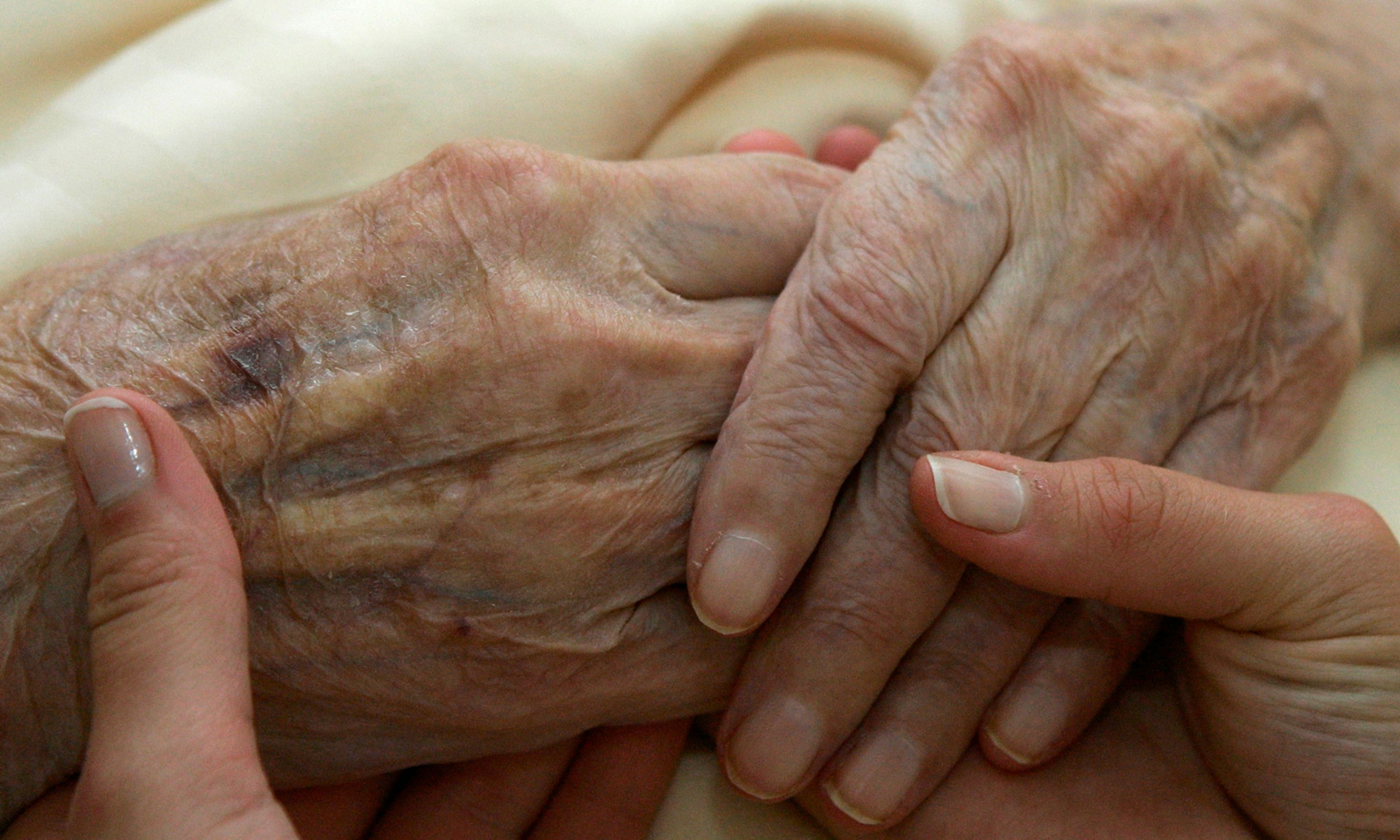
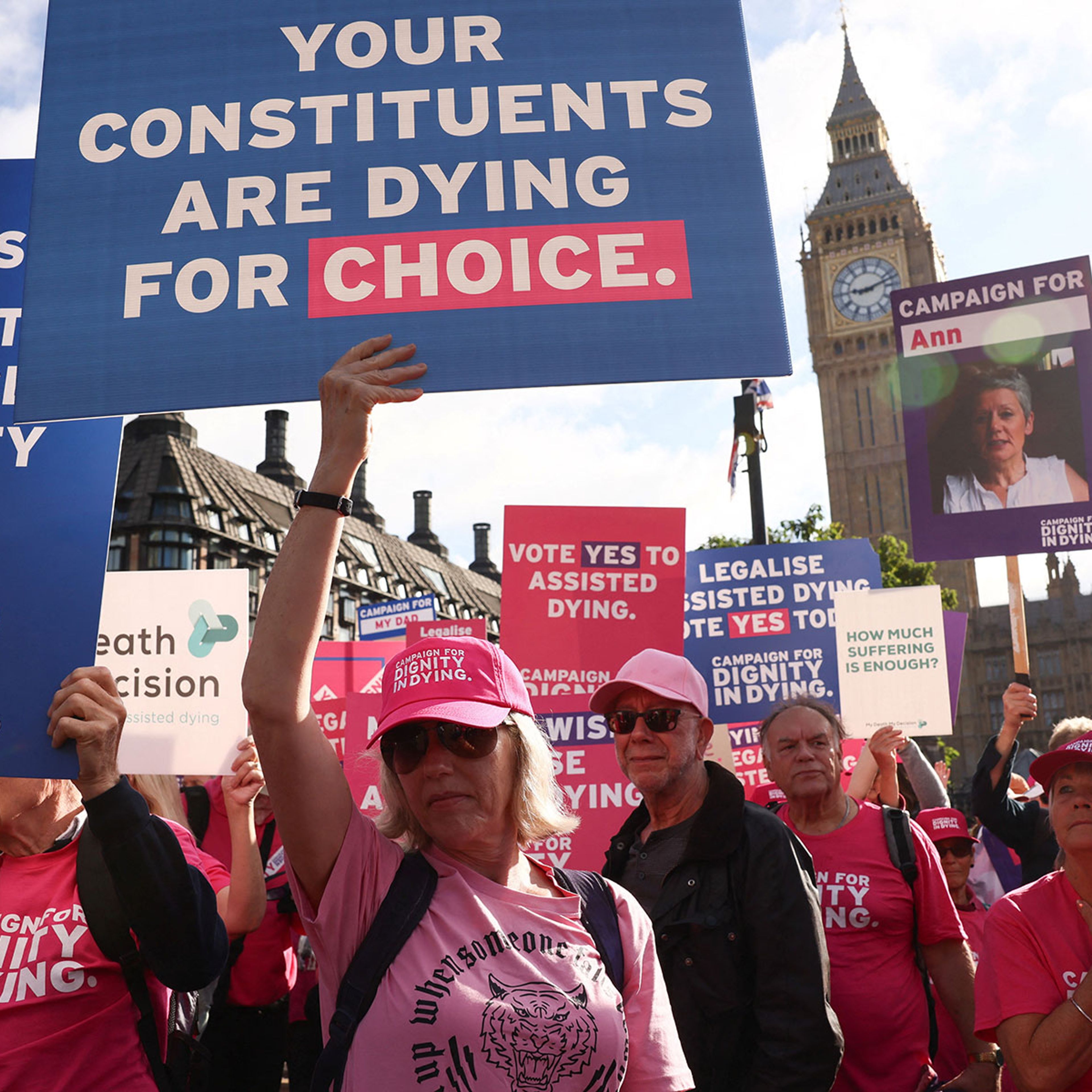
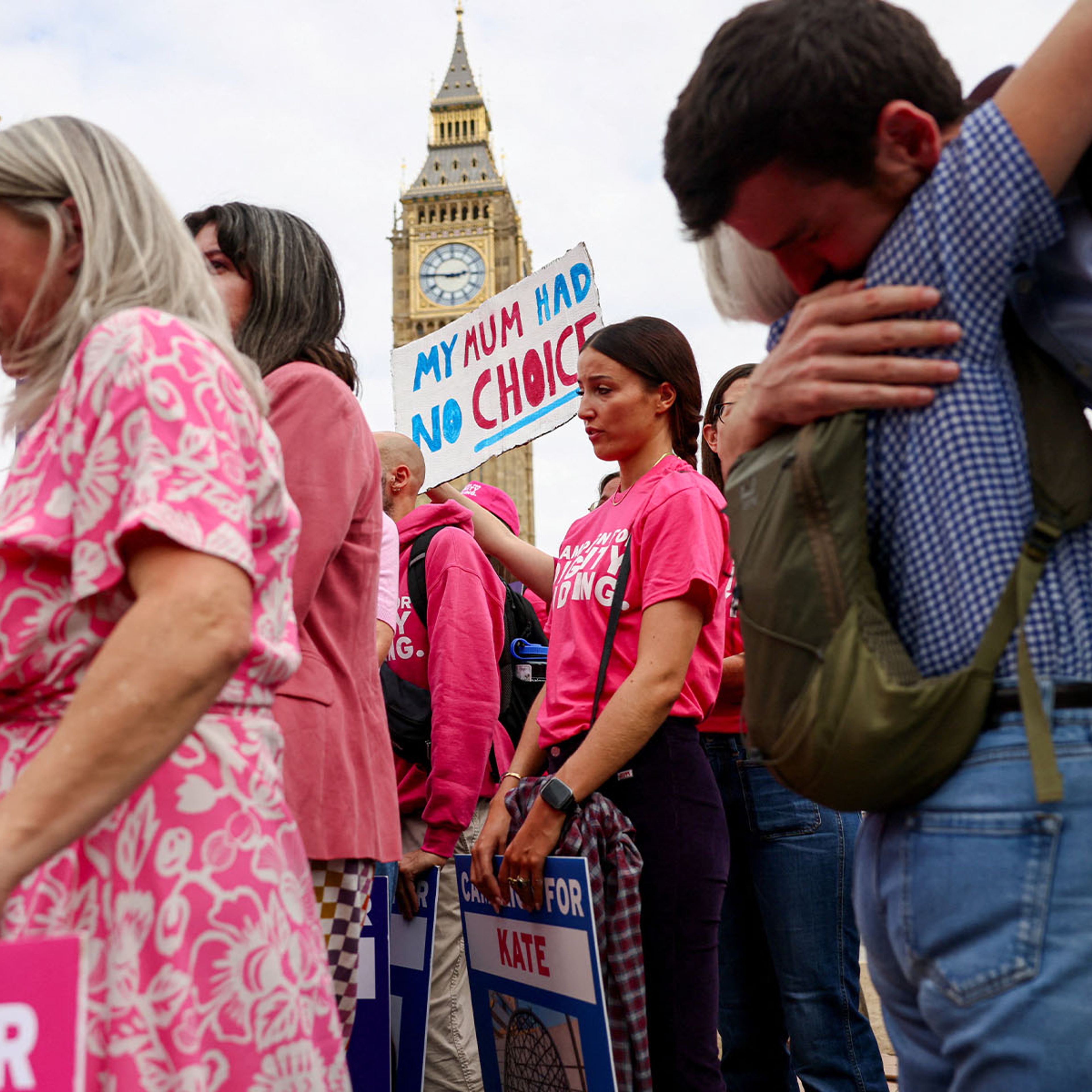
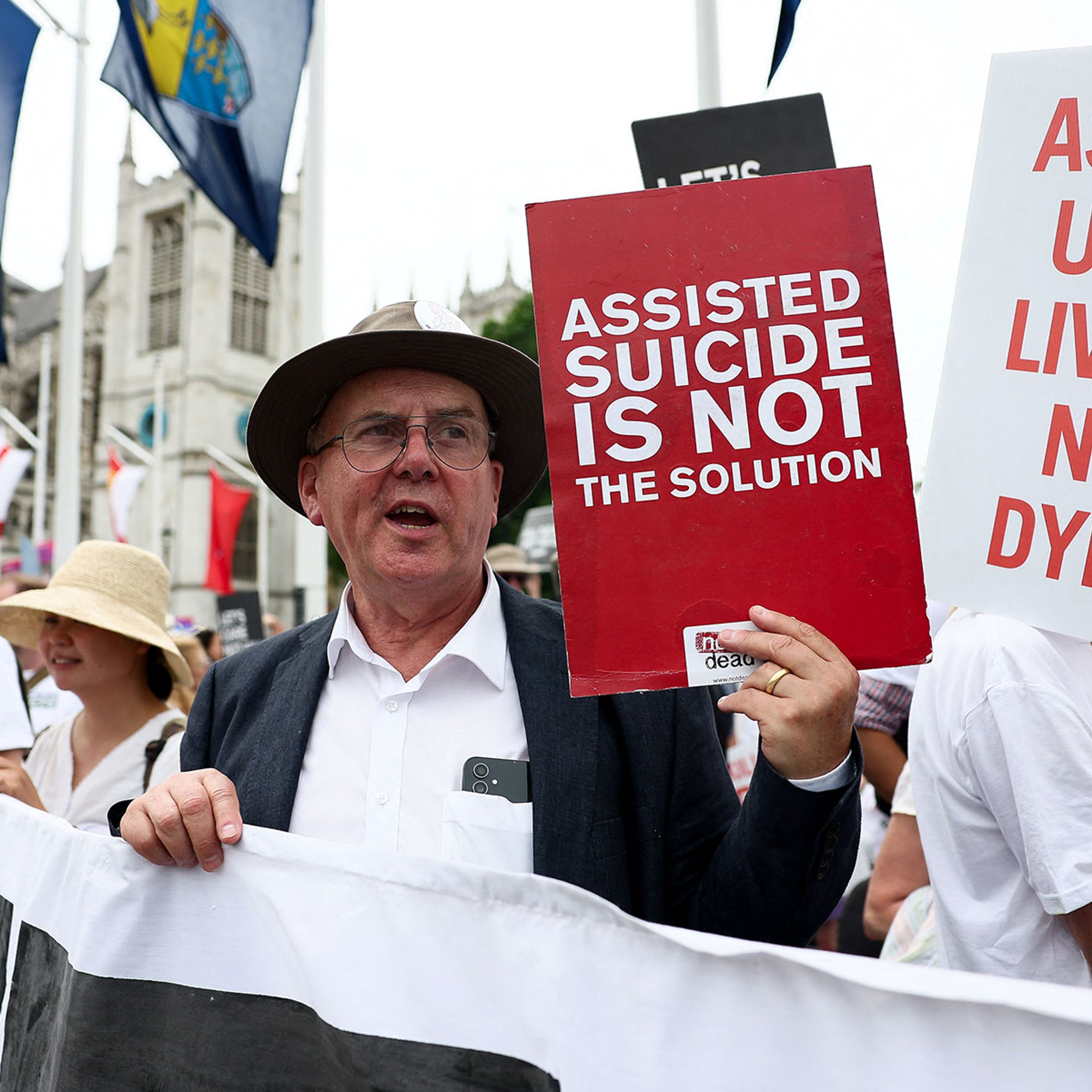
A few weeks ago, the debate about medically assisted suicide was taken up again in the House of Lords. On the side of life, former Prime Minister Theresa May spoke humbly and elegantly. She worried that the bill legalizing “assisted death” puts the government’s endorsement behind the idea that some lives aren’t worth living, that permission for assisted suicide via the National Health Service will cause people to be “pressurized” to end their lives, merely “because they feel they are a burden on others.” She noted that in countries where there is such a provision, there is radical pressure to expand access beyond the small group who qualify for it in the first place. “Suicide is wrong,” she said, “but this bill effectively says suicide is okay.”
The most notable proponent for the bill was the great conservative historian Andrew Roberts, who summoned a moral urgency in saying, “Future generations will consider us monsters for stopping people from shortening their death agonies if they wish to.” He said that the bill gave them an opportunity to effect “the greatest alleviation of pain and suffering since Sir Alexander Fleming discovered penicillin.” And he spat on what he called the “medieval and sadistic” ideal, “the so-called sanctity of life” that would forbid euthanasia. Instead, he commended us to “the Greeks and the Romans [who] recognized that there was nothing ignoble in it if the alternative is far worse.”

Comments