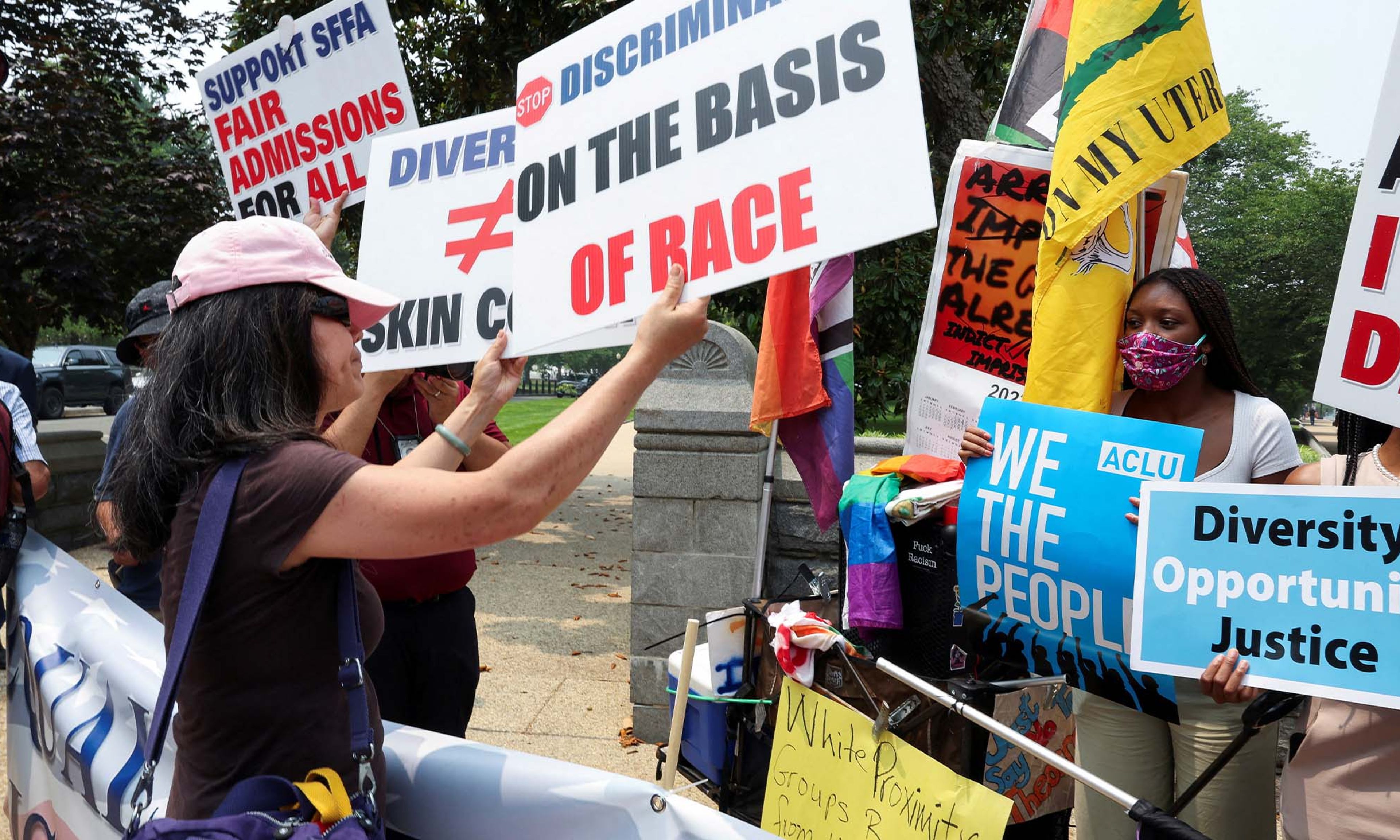
With President Trump’s executive order banning diversity, equity, and inclusion (DEI) in the federal government, coupled with laws passed by several state legislatures targeting DEI in higher education, conservatives are celebrating significant victories. We appear to be at a turning point in the fight against DEI. However, as examples from my university illustrate, DEI has not been defeated — it has merely shifted tactics. Supporters of DEI have adapted to these new restrictions, ensuring that the influence of DEI is as pervasive as ever.
In 2023, the Board of Governors of the University of North Carolina System passed two policies designed to eliminate DEI initiatives in all public universities in the state. The first policy eliminated the existing DEI measures and introduced a directive emphasizing institutional neutrality. This change mandates that universities avoid involvement in political controversies; it led to the elimination of DEI offices and related positions on all campuses. The second policy targeted compelled speech, prohibiting universities from requiring job applicants, students, or faculty to affirm specific beliefs about contemporary political or social debates as a condition for employment, admission, or advancement. Together, these two policies were intended to depoliticize university operations and reinforce free expression. Unsurprisingly, they sparked controversy among faculty and administrators.




Comments