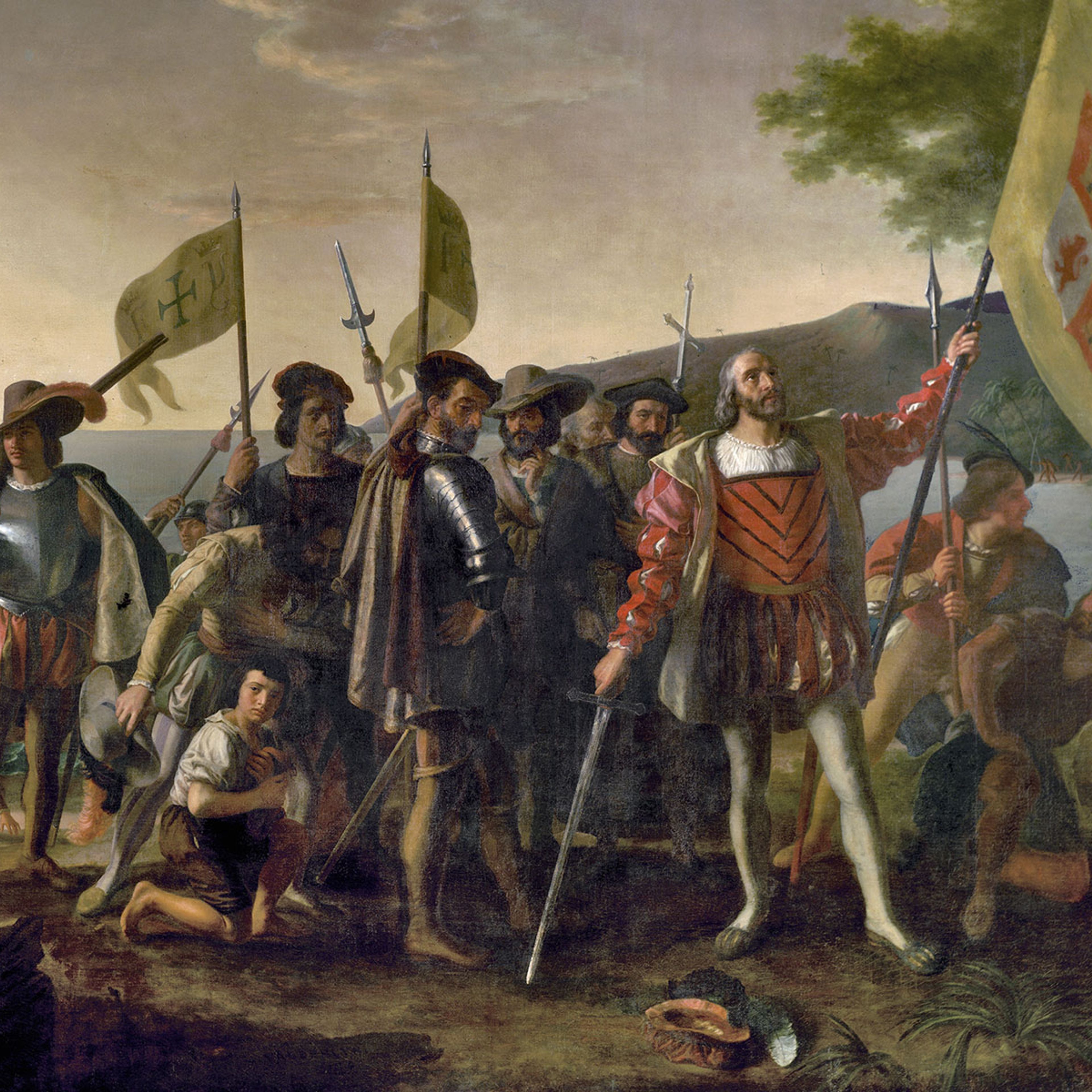
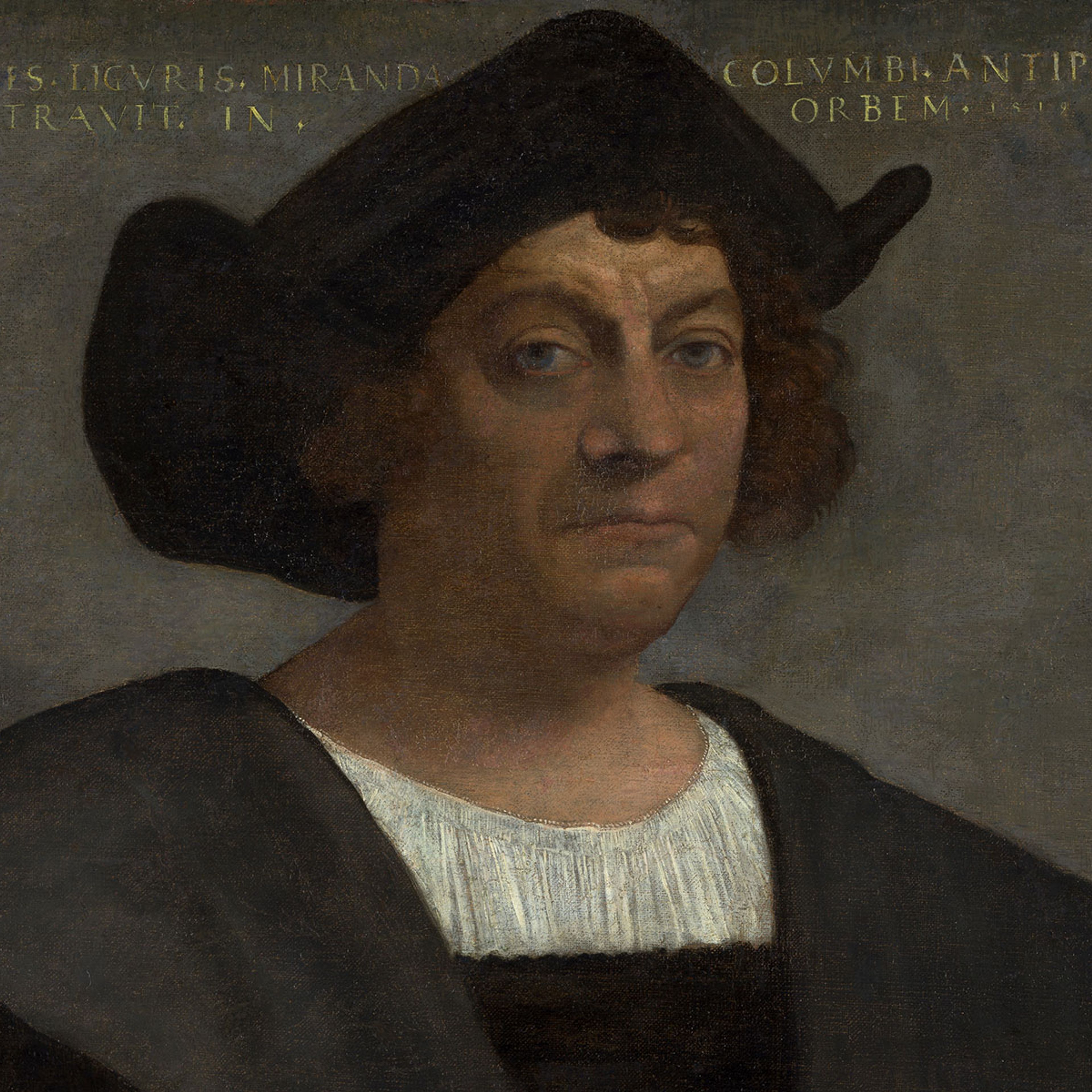
On Monday, most publications spared only the barest mention of Columbus Day. Odes to the Italian adventurer were relegated to glossy shopping-mall flyers, and blurbs about how to “discover” a sale on pumpkin pins. If Columbus Day were merely the anniversary of an explorer’s stumbling upon the New World, such insouciance would perhaps be understandable. Yet for the 26 million Americans of Italian descent, Columbus Day has always meant more than that. Since the first recorded Columbus Day celebration in 1792, it has been a moment for historical pride and personal reflection. Unfortunately, in recent years, the day has also become one of weary self-defense. Consider this sample of yesterday’s press clippings. Andy Newman of the New York Times called Columbus a “creep.” Brown University students, running out of things to protest, forced the school to change the name of Columbus Day to “Fall Weekend.” The city of Berkeley celebrated “Indigenous Peoples Day.” In Seattle, many headed to Waterfront Park “to throw red paint” on a statue of Columbus. “Spare me the Columbus Day parades,” moaned The Progressive, even as Philadelphia’s annual parade was canceled. Terry Burnsed, a stunningly original professor in Denver, called his city’s parade “racist.” David McGrath, in the Christian Science Monitor, urged readers “to honor the truth by terminating the celebration of Christopher Columbus.” Un momento. In our age of political correctness, when did such gleeful bashing of a day held dear by Italian-Americans become so tolerable? Columbus may have been an imperfect man, but his legacy and inspirational explorer spirit is directly tied to the Italian-American immigrant experience. Belittling Columbus may elicit knowing nods on Brown’s campus, but in Little Italy, it only makes you look small. John DePetro, a talk-show host at WPRO in Providence, calls Brown’s renaming of Columbus Day a “huge insult” to Italian-Americans. On Monday, DePetro led a protest at Brown against the “Fall Weekend” crowd. “Rhode Island has a huge Italian-American population. Now you have these elitist kids and faculty rubbing their views in the face of the locals,” sighs DePetro. “It’s so insensitive. Cracks about The Godfather or The Sopranos have always seemed to be fair game, but this is political correctness gone too far, especially from a school that profited from the slave trade.” In New York City, at least, the events were more joyful, as another great American explorer — astronaut Buzz Aldrin — helped lead the festivities down Fifth Avenue amid waving swaths of red, white, and green. Though Columbus Day remains embattled, it still boasts countless supporters. Dana Perino, the former White House press secretary, says that she understands the consternation some feel about Columbus Day, but hopes that it can continue to be more than just a day off from work for federal employees. Perino — whose family originally hails from Torino, Italy — calls Columbus Day a “time for everyone to be able to enjoy and remember history.” “My great-grandparents came to the United States from Italy in the late 1890s,” says Perino. “I was raised in the West, and I’ve always thought that my Western values and Italian-American heritage provided the foundation for whatever success I have enjoyed.” Susan Molinari, a former Republican member of Congress from New York, was born and raised on Staten Island. Her grandfather was the first Italian-American immigrant elected to the New York State Assembly. “Growing up where I did, Columbus Day was always a major celebration,” says Molinari. “It was, and continues to be, a time for us to stop and realize how it wasn’t always so easy for our grandparents and other Italian-Americans.” “Yet, the Italian-American story is about how, despite the challenges, we buckled down and figured out what we needed to do to succeed,” says Molinari, whose family has roots in both Calabria and Naples in southern Italy. “It’s unfortunate that Columbus Day has become an ethnic and geographic holiday. We don’t seem to recognize the importance of what it means to the nation.” Ironically, Columbus Day’s fading prominence in American discourse — which is not only due to the prolonged assault against it by the P.C. army — actually represents an achievement. By playing down how they’re different, Italian-Americans stand as a lesson in American assimilation. “Italian-Americans, as an ethnicity, worked hard to assimilate as rapidly as possible once they came to America,” says Molinari. “Look at my generation. None of us speak Italian, because our immigrant families were so determined to be American.” Columbus Day critics had their fun on Monday tarring the holiday still beloved by so many Italian-Americans. They may have felt righteous at Brown and in Seattle, but they were missing the point. Columbus Day is not just about Christopher Columbus. It may now be only an ethnic holiday, but it is the ethnic holiday most closely bound up with America, with all its flaws and all its wondrous possibilities. It is also about the courage shown by so many immigrants (Italian — and Irish, Polish, Chinese, Indian, Latino, and countless other) to journey to this great land. We honor Columbus not because of his complicated biography, but because of what he means to millions of Italian-Americans whose families crossed the seas in search of a new home where they were free to pursue their dreams. Hearts stir with pride in Providence and Staten Island not because of textbook stories of a seafaring Italian, but because of the memories of humble heroes arriving at Ellis Island who provided their children and grandchildren a better life. For those generations of Americans, remembering 1492 is also a way of paying homage to those who came in 1892 or 1902 or 1912. Those personal stories are American history at its best, and should never be briefly noted. – Robert Costa is the William F. Buckley Jr. Fellow at the National Review Institute.
Share this story

About the Author
Robert Costa was formerly the Washington editor for National Review.
Advertisement
Advertisement

Comments