
The worldview of AI doomerism has been promoted by leaders of the AI industry and has well-funded lobby groups working with entryists in the media and Congress. Well-timed news stories earlier this year dominated a very slow news period in the United States, and these voices have tried to piggyback on popular discontent about AI data centers and surveillance. But still, it hasn’t quite reached escape velocity or invited longer periods of scrutiny, the way other powerful religious or philosophical movements would, especially if they were in charge of two companies that are perceived to be driving broader economic growth and controlling hundreds of billions of dollars of invested cash.
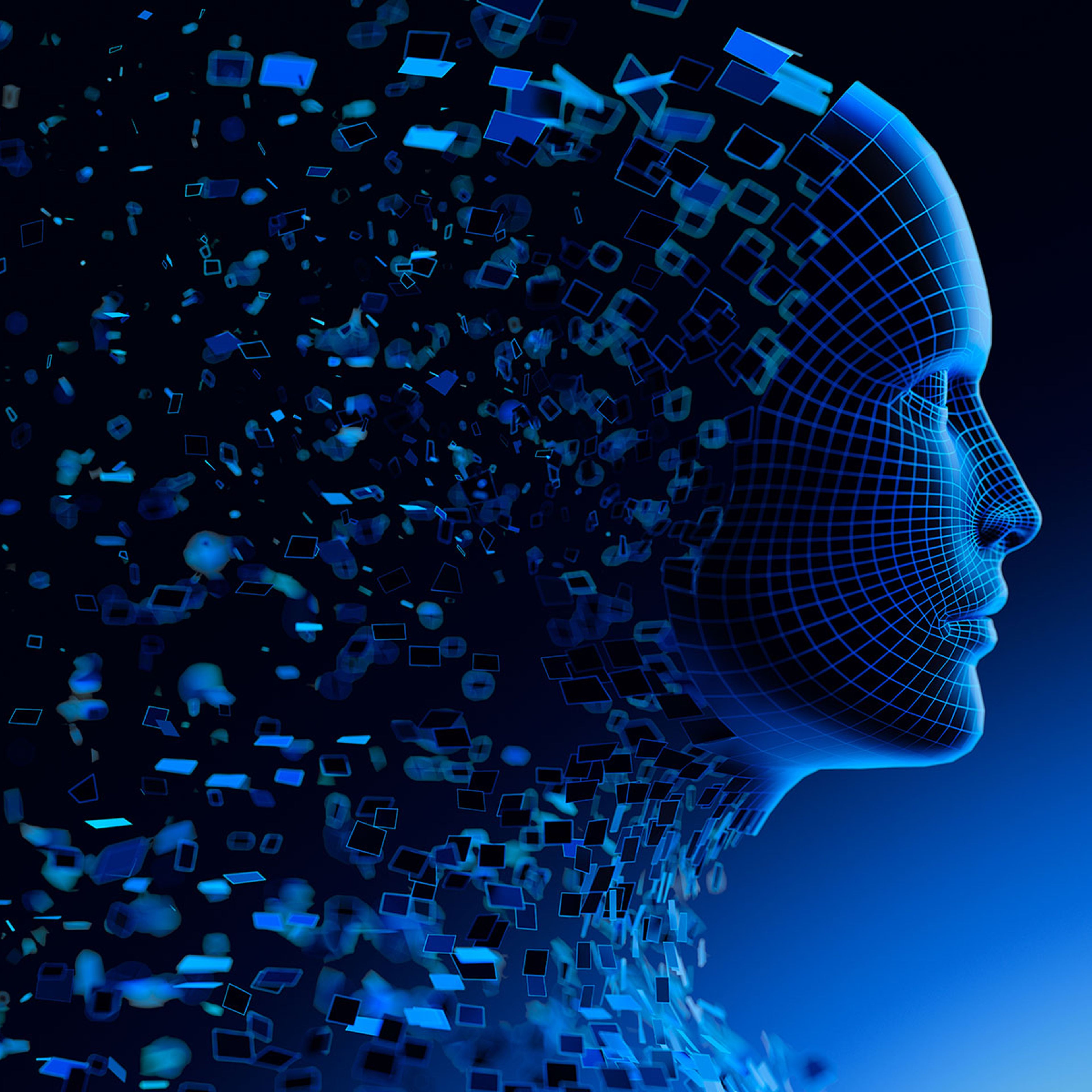
AI doomerism grows out of convictions that very soon, AI-powered technology will surpass humanity in total intelligence output. Once it does this and begins a process of rapid and exponential self-improvement, AI doomers believe that AI will seek power and be given it because humans are vulnerable to suggestion by more intelligent beings. Many of the theories begin with the idea that at some point it will become negligent not to give the machines absolute power, because — being so smart and capable — they will clearly perform any tasks better than we can. But, once they do so, the machines will begin running away from us, developing their own intentions and gradually downgrading any human input, the way humans don’t take zoning advice from ants or beetles.



Comments