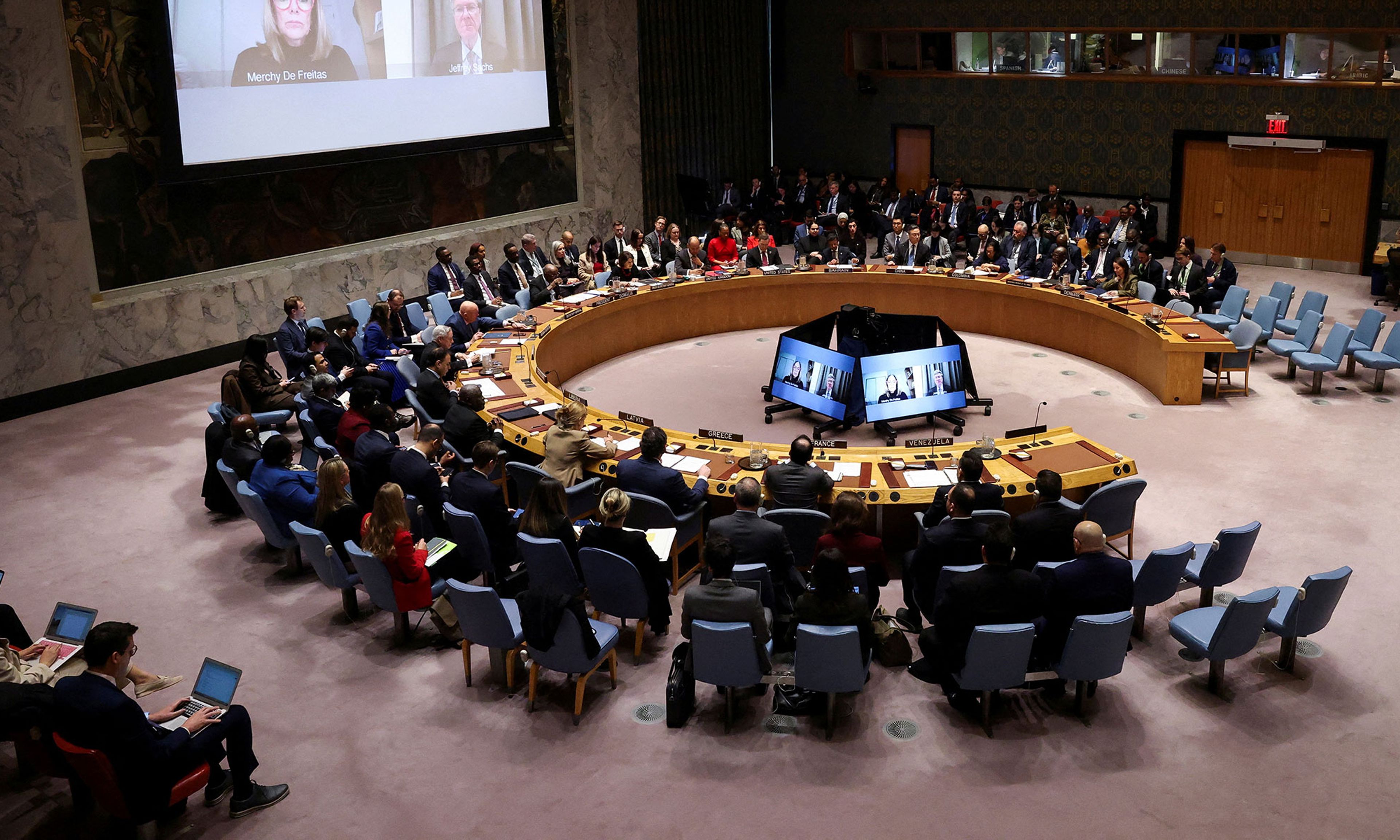
President Donald Trump’s critics have focused their fire on the legality of the United States’ astounding snatch-and-grab of Venezuelan leader Nicolás Maduro. But their attacks mistakenly claim a strict, formalistic authority for international rules that have never governed American actions in world affairs and would prove little obstacle to our rivals, such as China and Russia. Following these false sirens of international law would diminish American leadership, harm our allies, and lead to a more disordered, less peaceful world.
In an earlier National Review article, I addressed the domestic legal question of the constitutionality of the January 3 attack on Caracas. I argued that the Constitution’s grant of the executive power and the role of commander in chief has given presidents the initiative to use force abroad, subject to Congress’s power of the purse and impeachment. I observed that presidents have long engineered regime change in quick wars without any ex ante congressional authorization, including President Barack Obama’s overthrow of Libyan dictator Moammar Qaddafi, President Bill Clinton’s air war in Serbia, and President George H. W. Bush’s invasion of Panama and arrest of Manuel Noriega. Such interventions stretch back not just decades but centuries, to Thomas Jefferson’s dispatch of a fleet on a “training exercise” to overthrow the Barbary pirates.

Comments