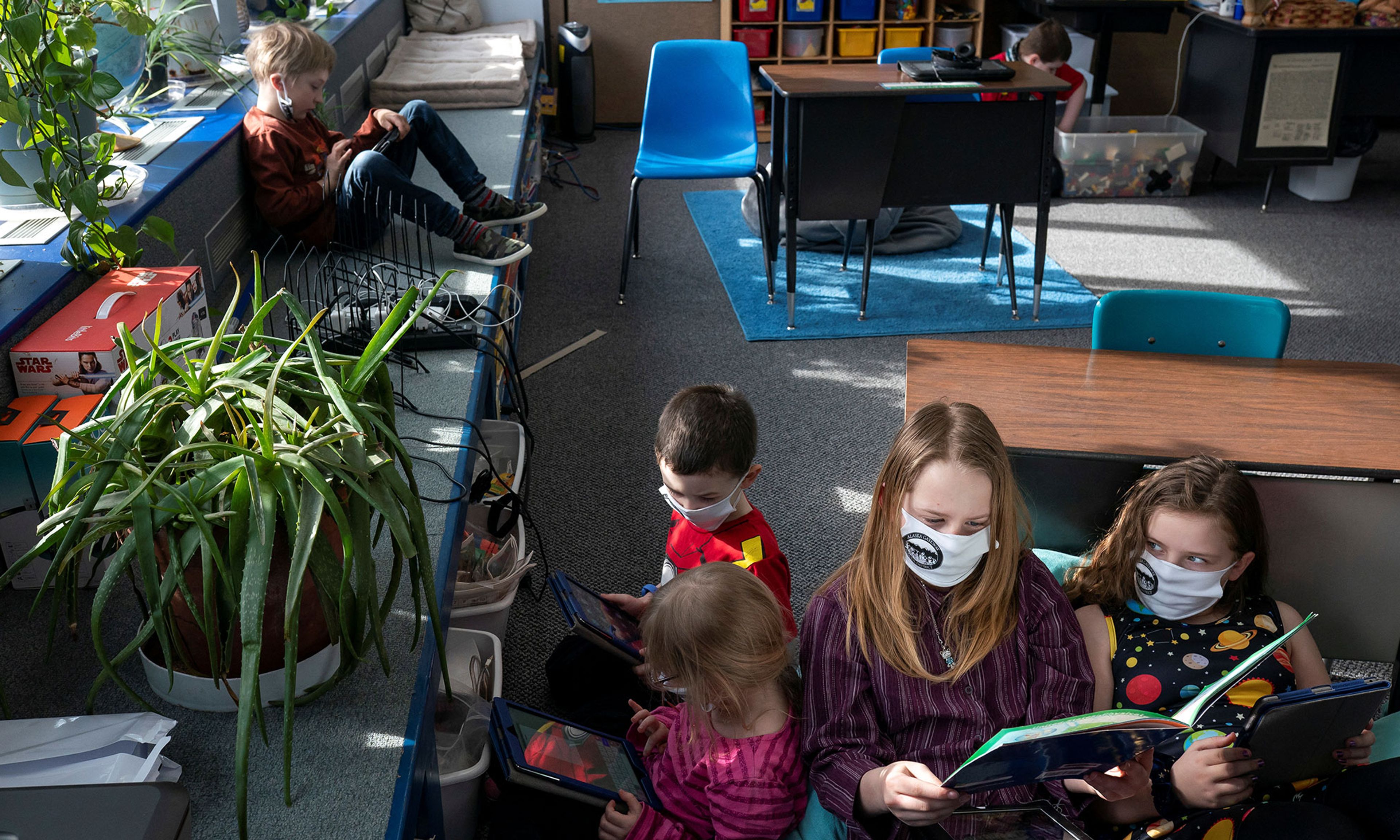
More than 22,000 Alaskan families are sweating over an Alaska superior court ruling last month that threatens the future of correspondence programs in the state. The fate of more than 1 in 6 of Alaska’s K–12 students now awaits a decision by the Alaska supreme court — and it may be appealed to the U.S. Supreme Court.
For decades, correspondence schooling has provided Alaskan families with resources and support to educate their children at home. The seeds of correspondence schooling originated as early as 1898 — 14 years before Alaska became a territory — with Gold Rush families in Douglas, Alaska, educating their children at home. For decades, students had to mail course materials by post office or plane between their remote villages and a teacher elsewhere. Today, students and teachers in correspondence schools anywhere in the state can interact in real time through the internet.




Comments