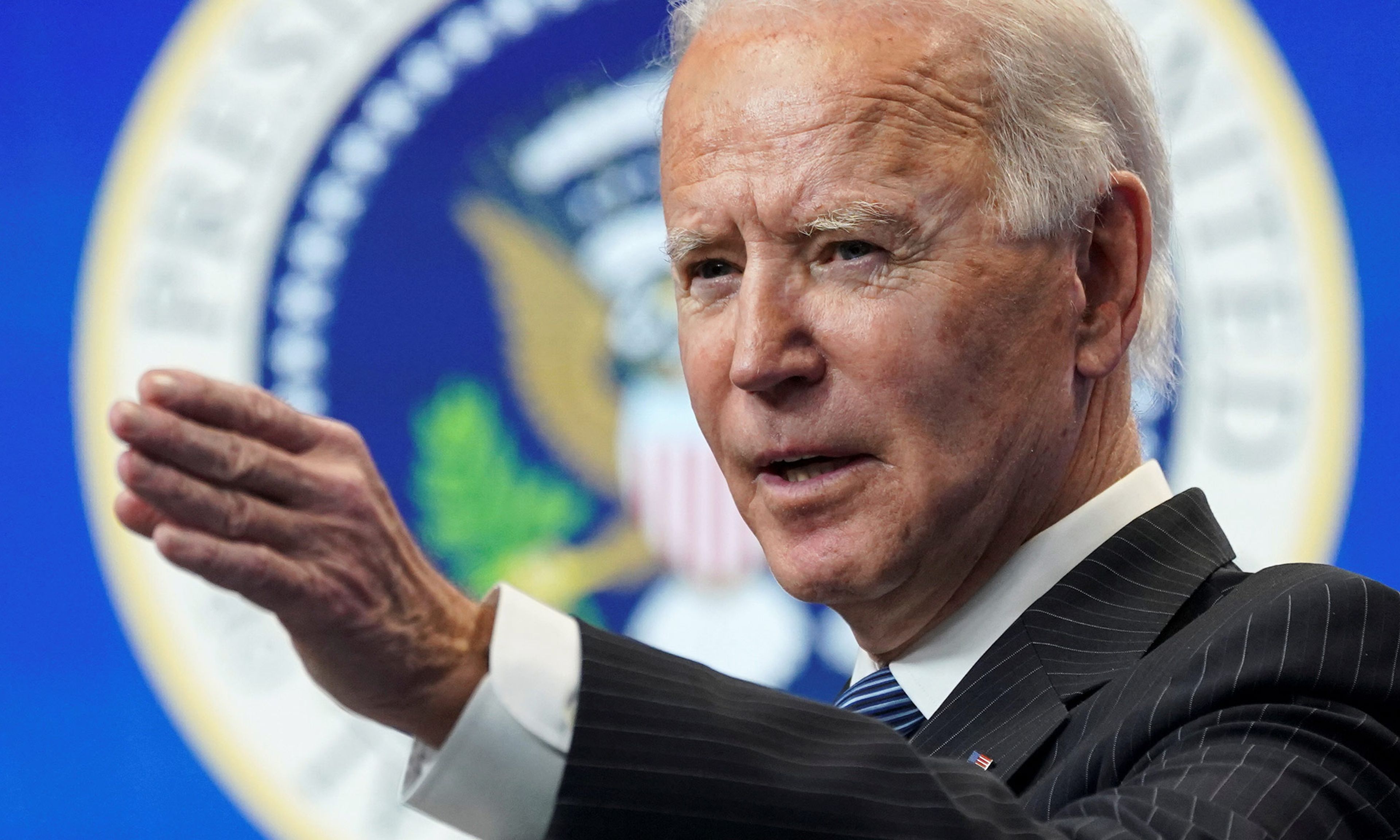
Charles C. W. Cooke and several other of my National Review colleagues have written urgently and intelligently about President Joe Biden’s proposal to illegally and unethically extend the Trump administration’s COVID-19 eviction moratorium. But the eviction moratorium is a prime example of a much larger problem with presidential emergency powers.
Since federal emergency-powers law took its modern form during the presidency of Gerald Ford, there have been 71 national emergencies declared — an average of 1.6 every year. Incredibly, 37 of those national emergencies — more than half — are still in effect. Those dozens of semi-permanent emergencies include the 1979 Iran hostage crisis, six crises declared by Bill Clinton touching everything from the business dealings of Colombian narco-traffickers to the development of weapons of mass destruction by the no-longer-extant government of Saddam Hussein in Iraq, eleven emergencies declared by George W. Bush, ten declared by Barack Obama, and three declared by Donald Trump, including the famous “National Emergency With Respect to Imposing Certain Sanctions in the Event of Foreign Interference in a United States Election.”




Comments