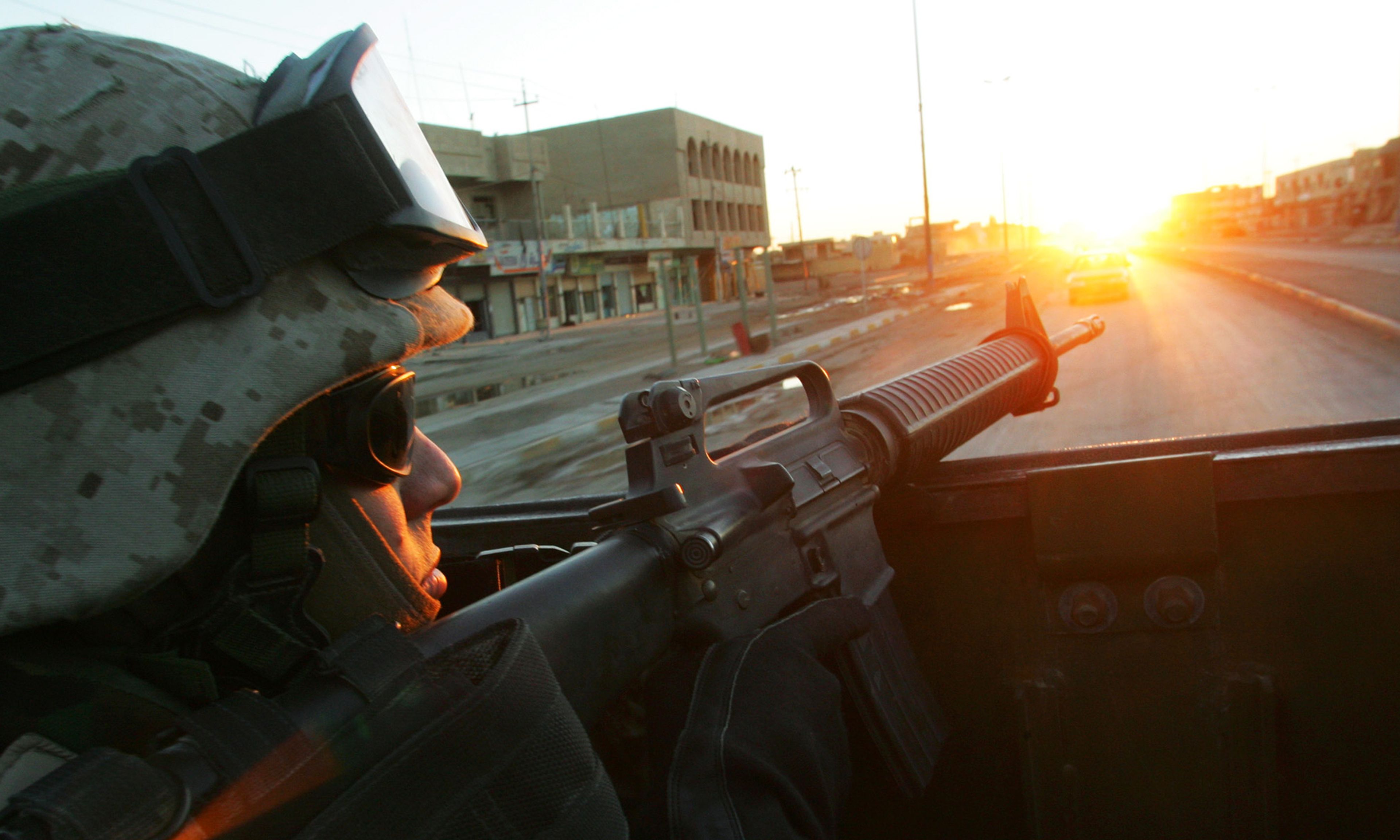
Twenty-five years after 9/11, the phrase “forever war” — popularized by journalist Dexter Filkins in his book-length account of the early occupations of Iraq and Afghanistan — has hardened from a worry into a despair. A war that lasts forever is ipso facto one that failed. And that is the verdict, nearing consensus, of observers of the Global War on Terror: The United States overreacted, pointed its hegemony at the wrong targets and thereby squandered it, chased “nation-building” and sunk costs, and lacked the wisdom to know when to fold a losing hand.
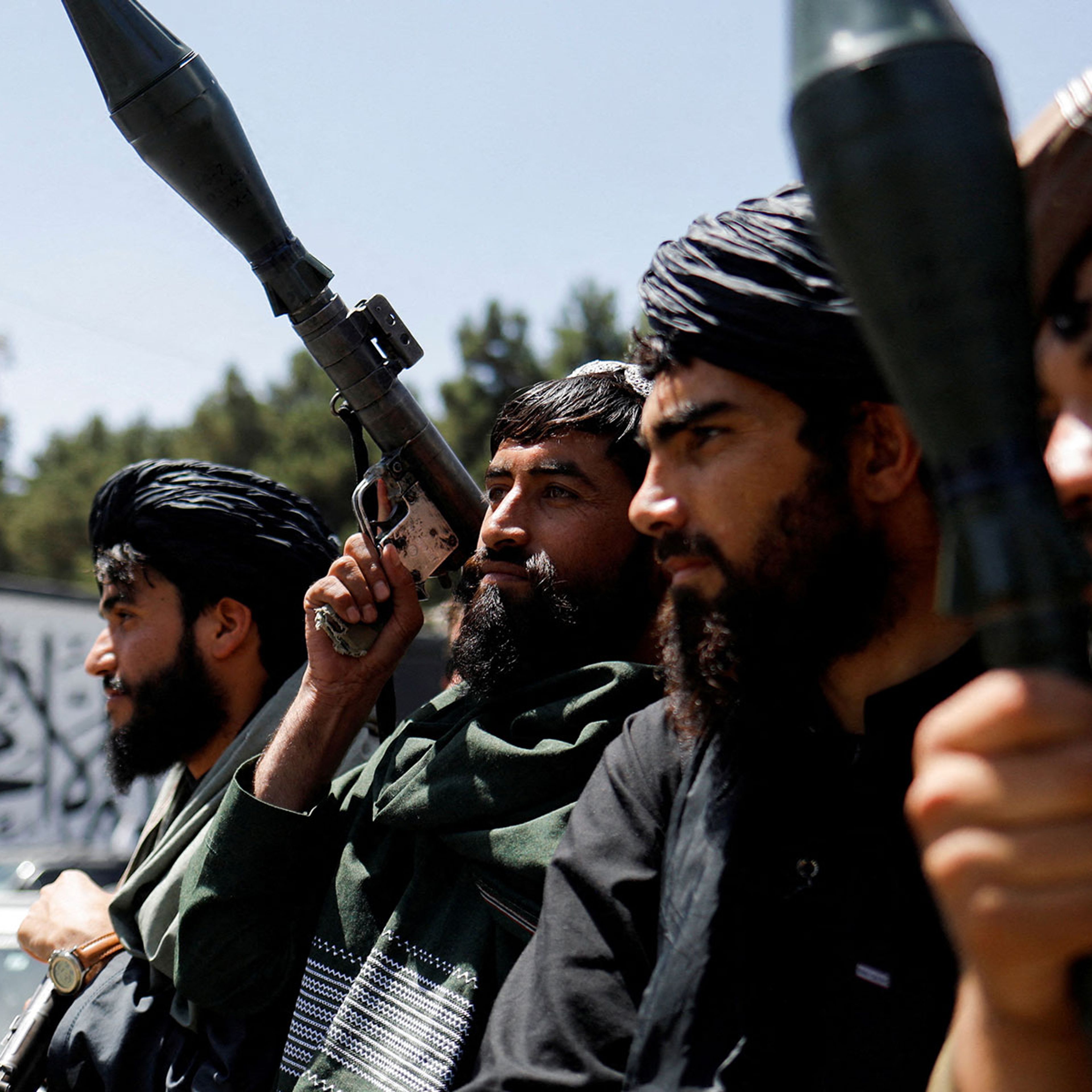
But the truth is more complex. With al-Qaeda and its successors-in-interest destroyed, degraded, or contained; multiple echelons and generations of its leaders killed or incarcerated; governments that had coddled terrorists pressed into counterterrorism cooperation; and multiple terror plots disrupted, the more defensible verdict is that the United States muddled through the post-9/11 era. That through fits and starts, we figured out how to fight a new and very different kind of war. That we built armed forces, intelligence apparatuses, legal architectures, and geopolitical strategies to match it. That we made Americans safer at home by killing and capturing jihadis abroad.




Comments