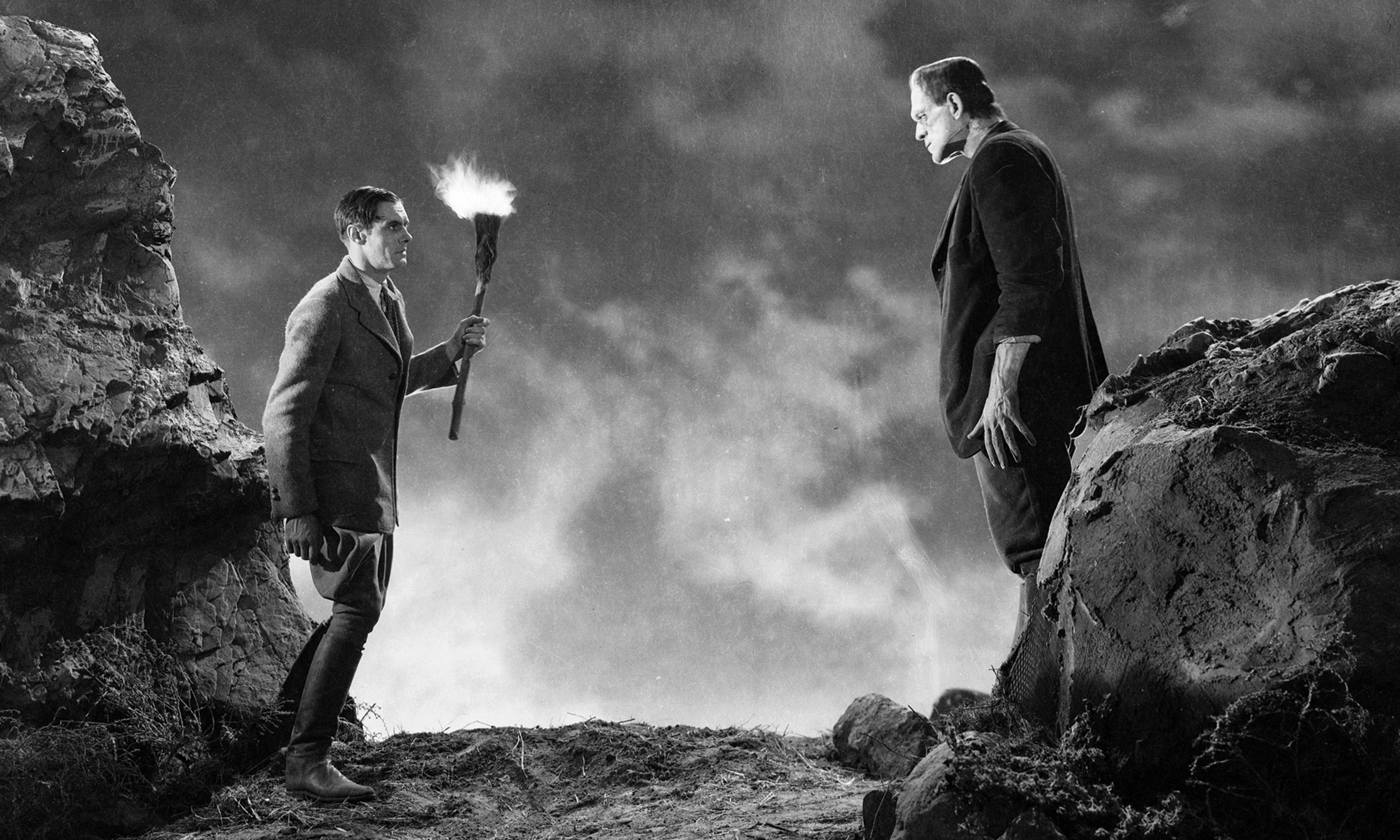
A sign of great literature is that one can return to it at different times and find that, though its words have not changed, alterations in either the reader, the world itself, or both can change or heighten the import of the text. Such is the case with Mary Shelley’s Frankenstein; or, the Modern Prometheus, published in 1818 and which I first read some 15 years ago. Shelley’s gothic tale has become a byword for the view so, uh, ably expressed by Jeff Goldblum (playing Ian Malcolm) in Jurassic Park: “Your scientists were so preoccupied with whether or not they could, they didn’t stop to think if they should.” And given what seems increasingly likely about the origin of the coronavirus, it’s a message that has given this timeless work a particularly modern relevance.
Frankenstein, of course, refers to Victor, the creator, not to the creature he forms after his relentless quest to unlock “the secrets of heaven and earth” makes him “capable of bestowing animation upon lifeless matter.” Amusement at the popular confusion of the two is one likely takeaway of reading or rereading Shelley’s novel now. Frustration at some of the early-19th-century flourishes and oddities — a strange and sometimes distracting method of conveying the narrative, a defect Frankenstein shares with its 19th-century gothic stablemate, Dracula — is another. Then there’s the classic high-school literature question of who’s the real monster: Frankenstein or his creation? (The answer: both.)




Comments