Gorbachev’s Christmas Farewell to the Soviet Union

It remains a warning to the West: Materialism, elevated to an ideology, destroys political and social life.

Share this story

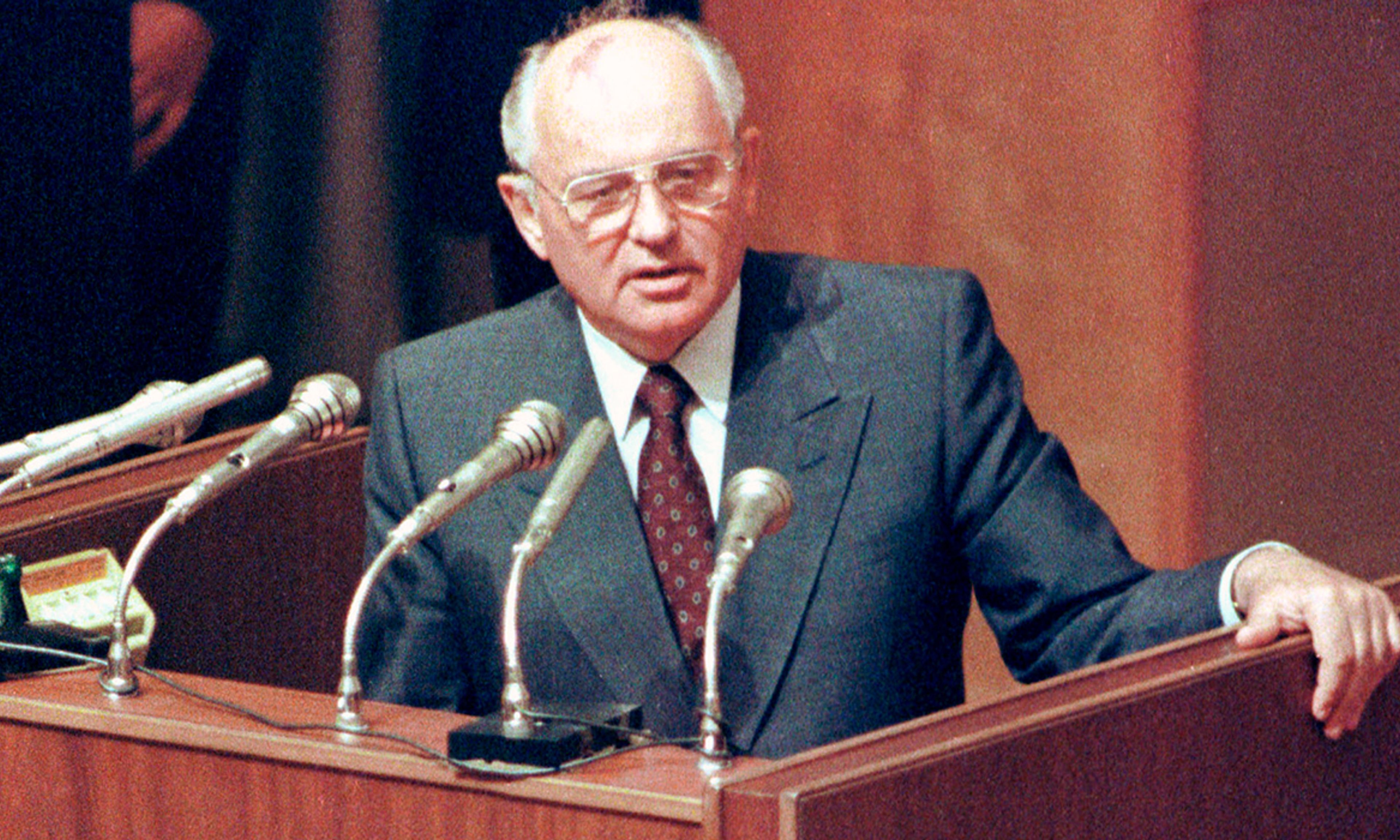
Soviet leader Mikhail Gorbachev addresses the Supreme Soviet in Moscow, August 23, 1991.

Alexander Natruskin / Reuters

The Soviet Union’s revolutionary experiment in Marxism-Leninism was launched, at least in part, as an assault on the beliefs and ideals of biblical religion. Religion, according to Karl Marx, was “the opiate of the masses,” a fantasy enlisted to exploit the working class. Yet, on Christmas Day, 1991, it was Soviet communism that proved to be illusory: the day when Mikhail Gorbachev announced his resignation as president of the Soviet Union, marking its complete dissolution.

“This society has acquired freedom,” Gorbachev said. “It has been freed politically and spiritually, and this is the most important achievement that we have yet fully come to grips with.”

Joseph Loconte

About the Author

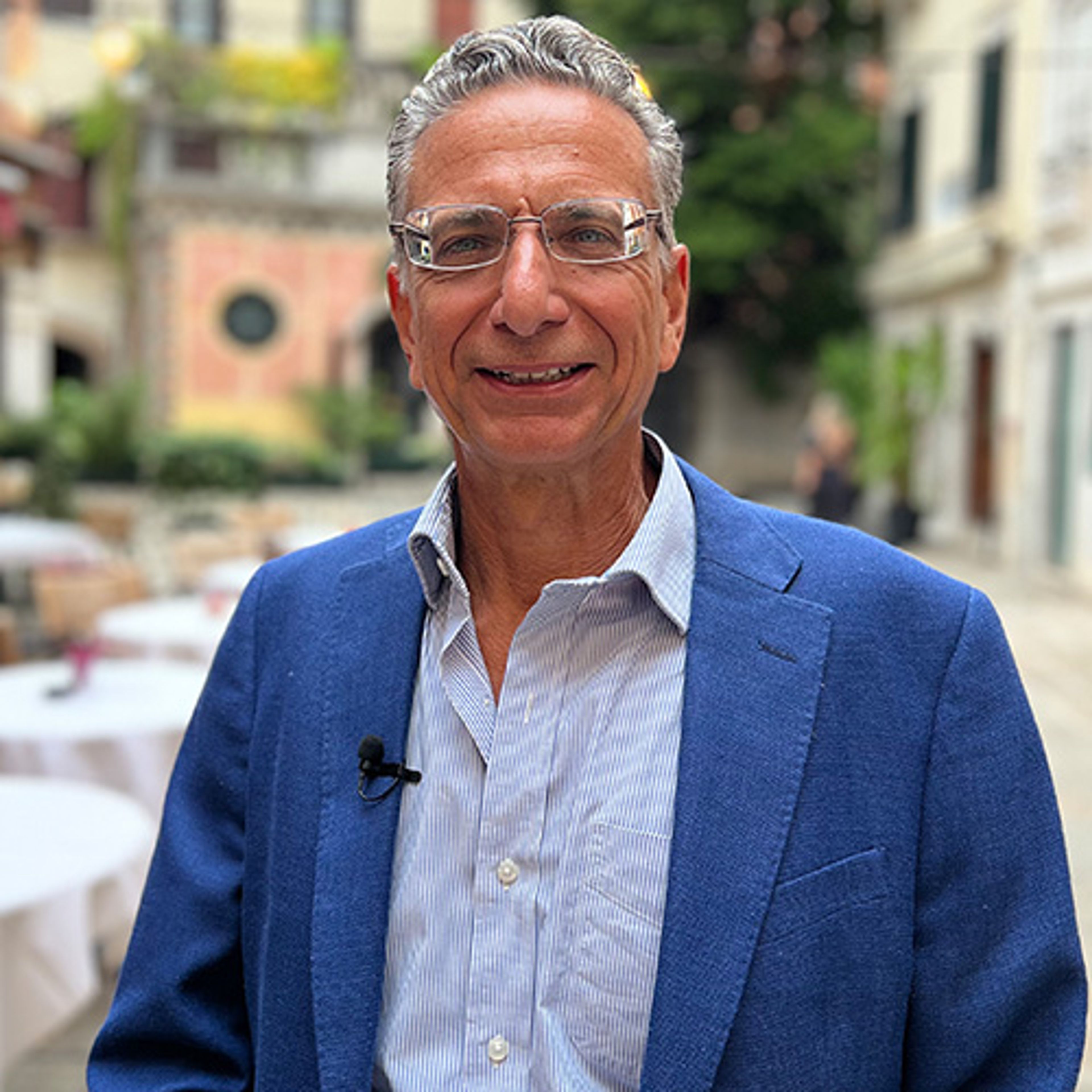
Joseph Loconte

Joseph Loconte is the director of The Rivendell Center in New York City and the author of The War for Middle-earth: J.R.R. Tolkien and C.S. Lewis Confront the Gathering Storm, 1933–1945. He serves as a senior fellow at the Sagamore Institute and as the C.S. Lewis Scholar for Public Life at Grove City College. He is at work on a documentary film about the impact of war on the lives of Tolkien and Lewis.

Comments

Advertisement

Advertisement


