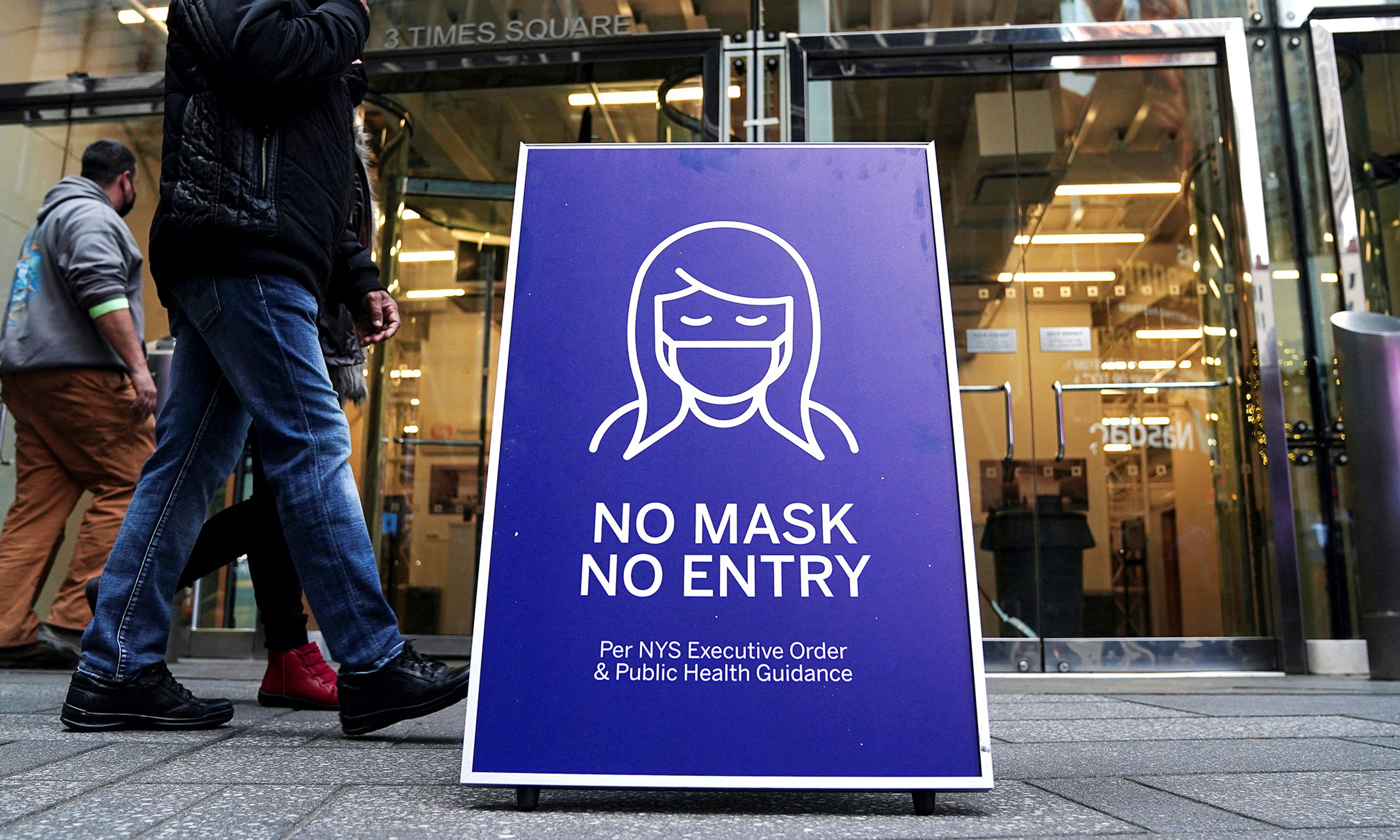
When news hit in late 2019 that a novel coronavirus was circulating globally, existing trends in our law accelerated and sharpened. Whatever else one might say about what happened, some things stand out: As a nation, we sought answers less from ourselves, our friends, and our neighbors and more from central authorities; we looked less to elected representatives and more to agency officials; we demanded not carefully deliberated solutions but quick action; and along the way, we sometimes enacted rules that privileged the few over the many.
In the early months of 2020, executive officials at every level — national, state, and local — issued emergency edicts. Some but not all of those decrees could trace their legal authority to legislation delegating emergency powers to executive officials under specified circumstances. Initially, many of the decrees ran for short durations (say, 30 days) in conformity with existing legislation. Later, however, various executive officials asserted the authority to renew their temporary edicts repeatedly. Two and a half years after a pandemic was declared, a number of states were still enforcing emergency orders.




Comments