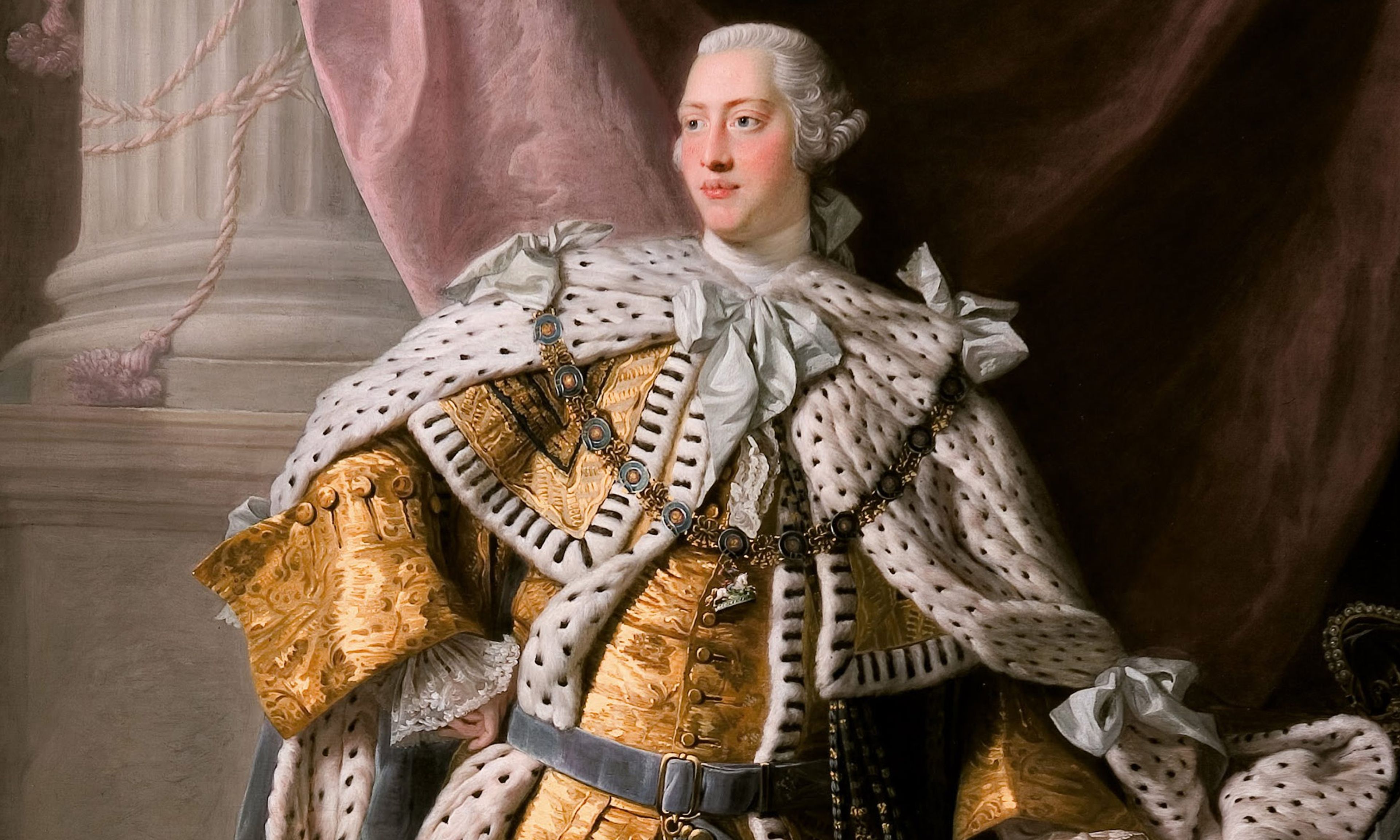
For much of the turbulent 60-year reign of George III — including the Seven Years War, the American Revolution, the French Revolution, and the Napoleonic Wars — the monarchy was an important branch of the British government. By the reign of Queen Victoria, who took the throne 17 years after George III died, it had become almost entirely ceremonial and symbolic. How and when did that change? This is a surprisingly elusive question, and the lessons we can learn from it are unexpectedly contemporary. Near the center of the story is one of the towering figures of conservative thought: Edmund Burke.
In America, shifts in the power of branches of government can be marked out in changes to the written Constitution, or to its interpretation by the courts. In nations such as France or Russia, those shifts can be measured in violent revolutions. The end of the British monarchy’s power, by contrast, has no single date or event. It is, in classic British fashion, a gradual story, full of smaller decisions that often had unintended consequences.




Comments