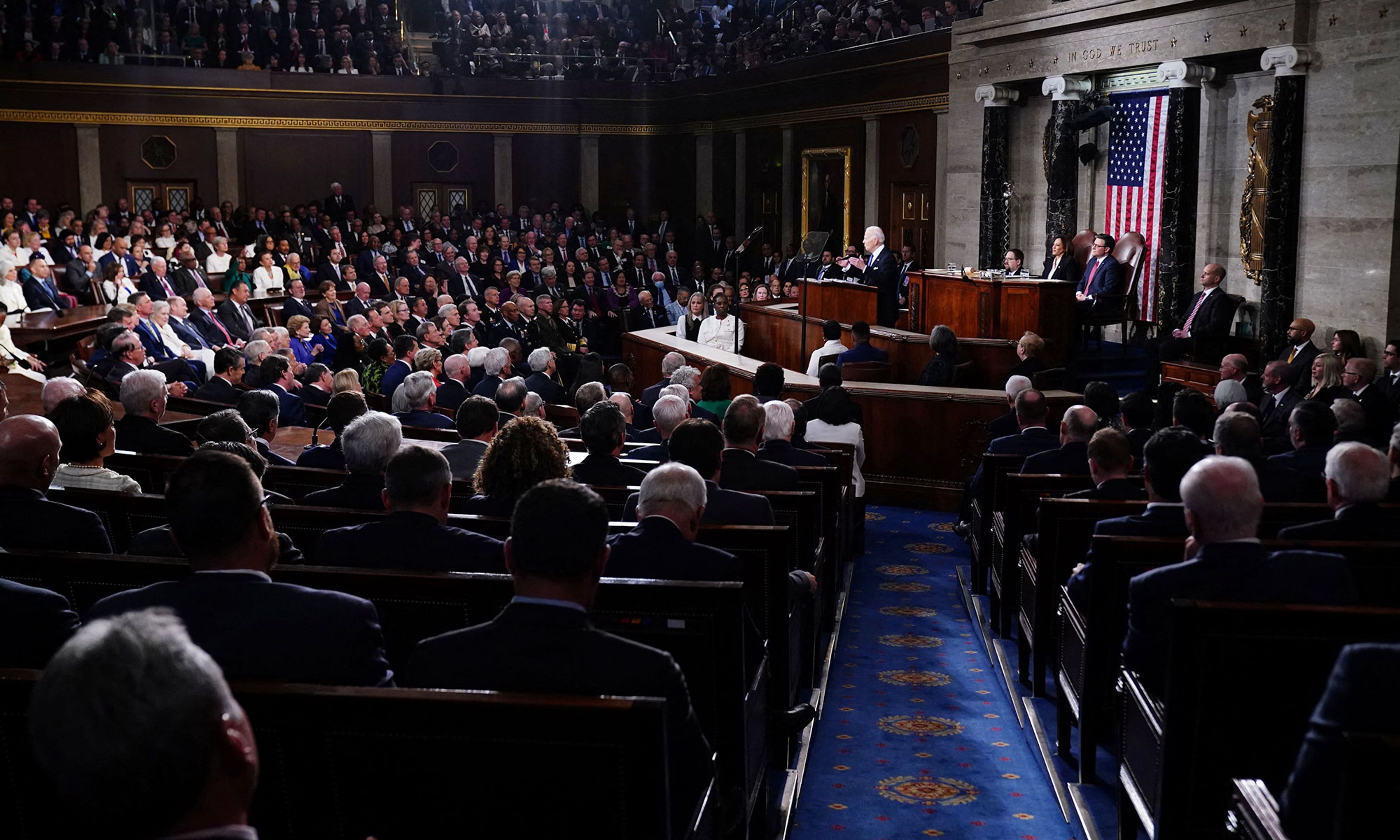
It’s fashionable these days to worry about growing presidential power. And it’s true that presidents today can do many things the Founders never intended. For one, the agencies they supervise can resolve the weightiest policy questions through regulations that bear the force of law, just as statutes do. The Founders would be shocked to see presidents exercise the lawmaking authority the Constitution vested in Congress.
But as another presidential election looms, we are struck just as much by the presidency’s impotence. For statutes offer something that presidents need but that regulations lack: permanence. Landmark legislation, once enacted, is here to stay; that’s why Americans still live under legislation passed decades or even centuries ago. Regulations, meanwhile, can be easily altered, and they often are: President Biden has rescinded almost all of President Trump’s signature regulations, just as Trump reversed President Obama’s regulations and Obama undid President Bush’s. If Trump is reelected this November, we’ll see agencies once again scramble to rescind regulations they issued in the months leading up to January 20.



Comments