The Poor Side of Town: And Why We Need It, by Howard Husock (Encounter Books, 216 pp., $26.99)
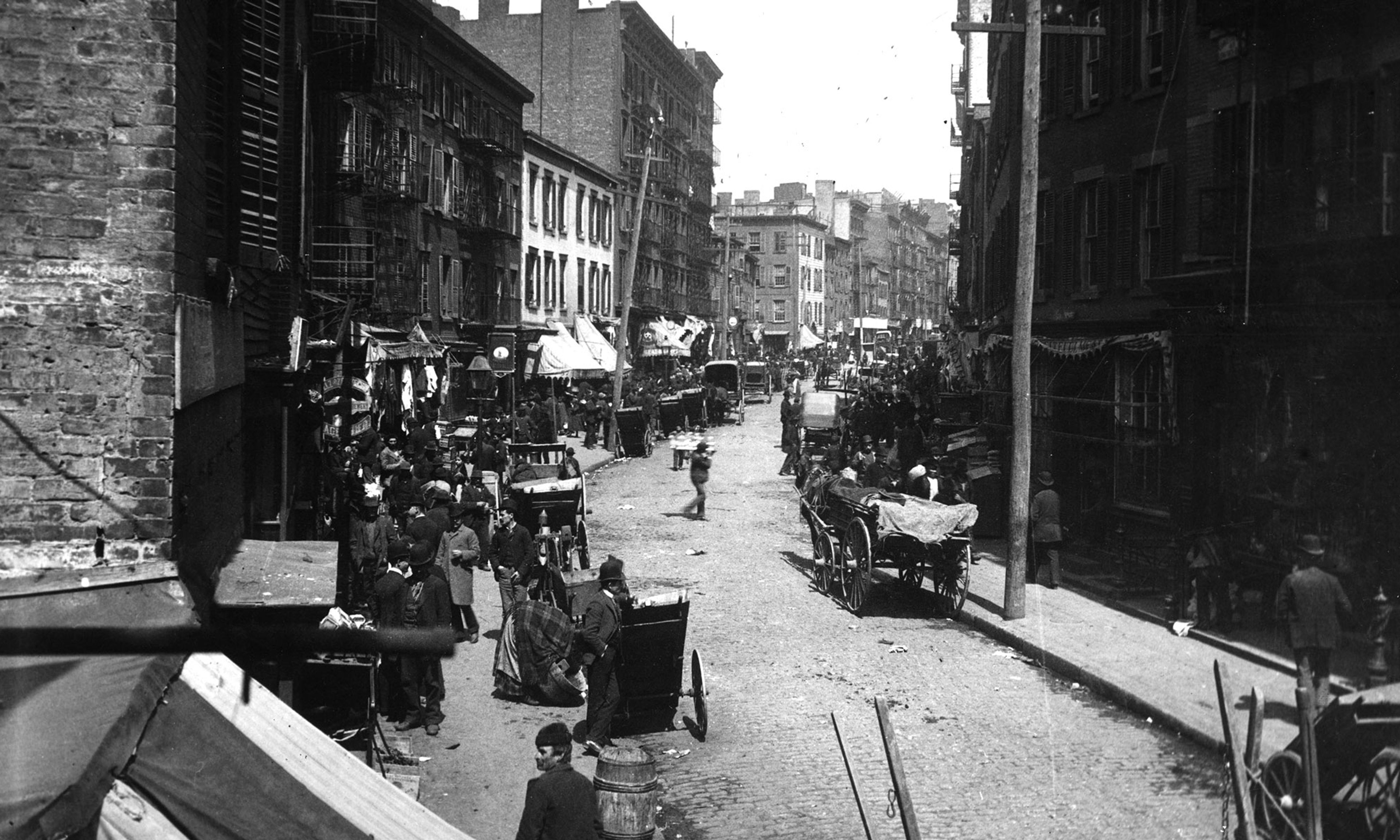
In 1890, a Danish-born New York newspaper reporter captured the nation’s attention. In gripping prose, Jacob Riis offered a cascade of horrible descriptions, supported by his own striking photographs, illustrating conditions in the dense and squalid tenements of Lower Manhattan. His exposé, How the Other Half Lives, was an early case of what would come to be called photojournalism. It was also an instant landmark. How the Other Half Lives introduced a wide audience to the perils of poverty at the margins of the Gilded Age, leading to investigations and reform proposals nationwide, and earning Riis a place in the colorful history of urban planning. But a new retrospective on American urban policy by author and scholar Howard Husock asserts that those whom Riis influenced, in many ways, missed the mark.




Comments