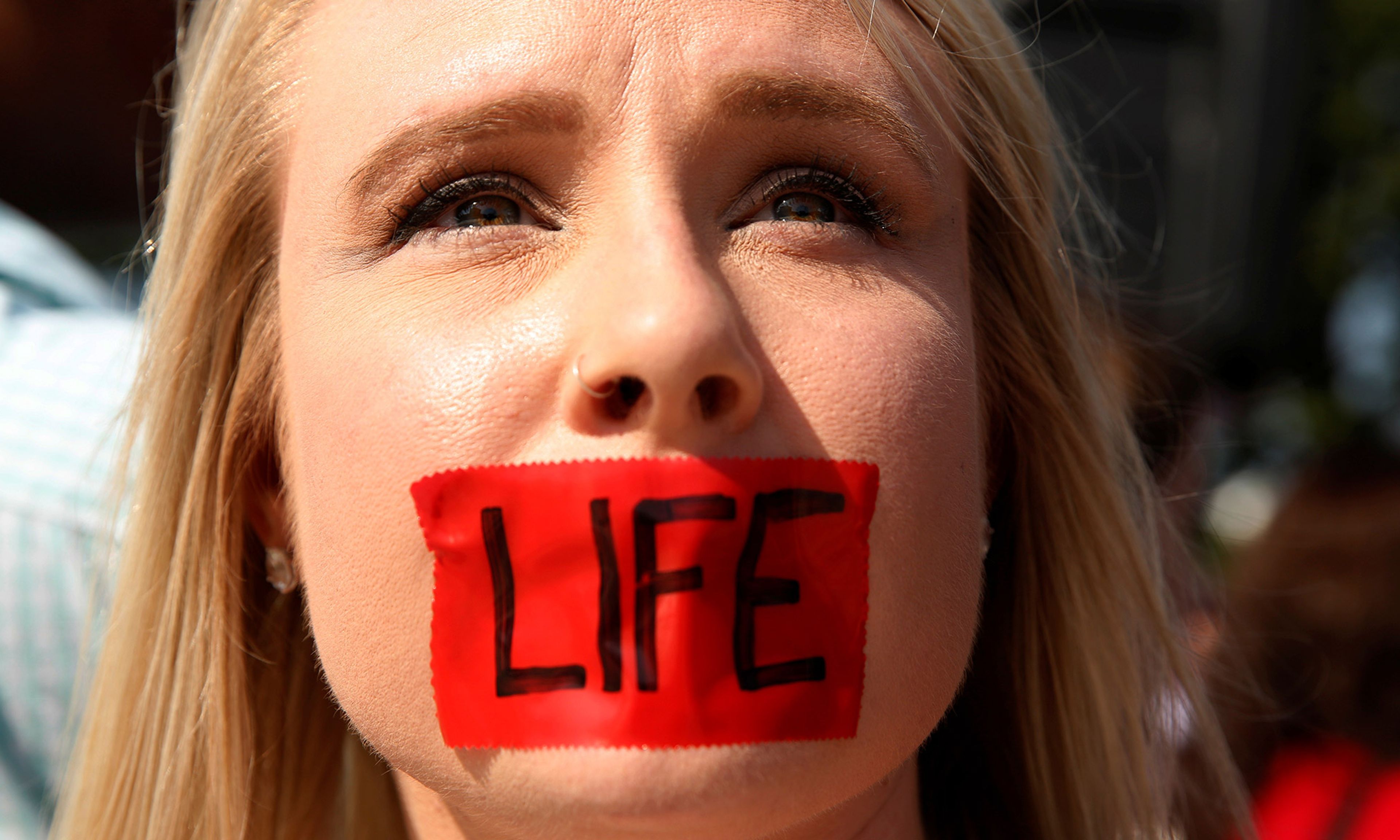
In Juno (2007), a young woman makes her way to an abortion clinic and, on her way in, passes a pro-life demonstrator. “Your baby has fingernails,” the harmless high-school student tells her. Fingernails? Huh. She proceeds into the clinic, sees the tapping fingernails of the people inside, then walks straight back out. In the movie, this brief encounter leads to a baby’s survival, a pregnant woman’s character growth, and the fulfillment of the child’s adoptive parents’ hopes and dreams.
These outcomes aren’t only the stuff of fiction. Just ask our own Kathryn Lopez. Women on their way to abortion clinics can and sometimes do reconsider. And women on their way out can and sometimes do ask for help with healing. But abortion advocates don’t want them to. Some choices undermine others. That’s why they increasingly demand buffer zones — essentially pro-life-free zones — around abortion clinics.





Comments