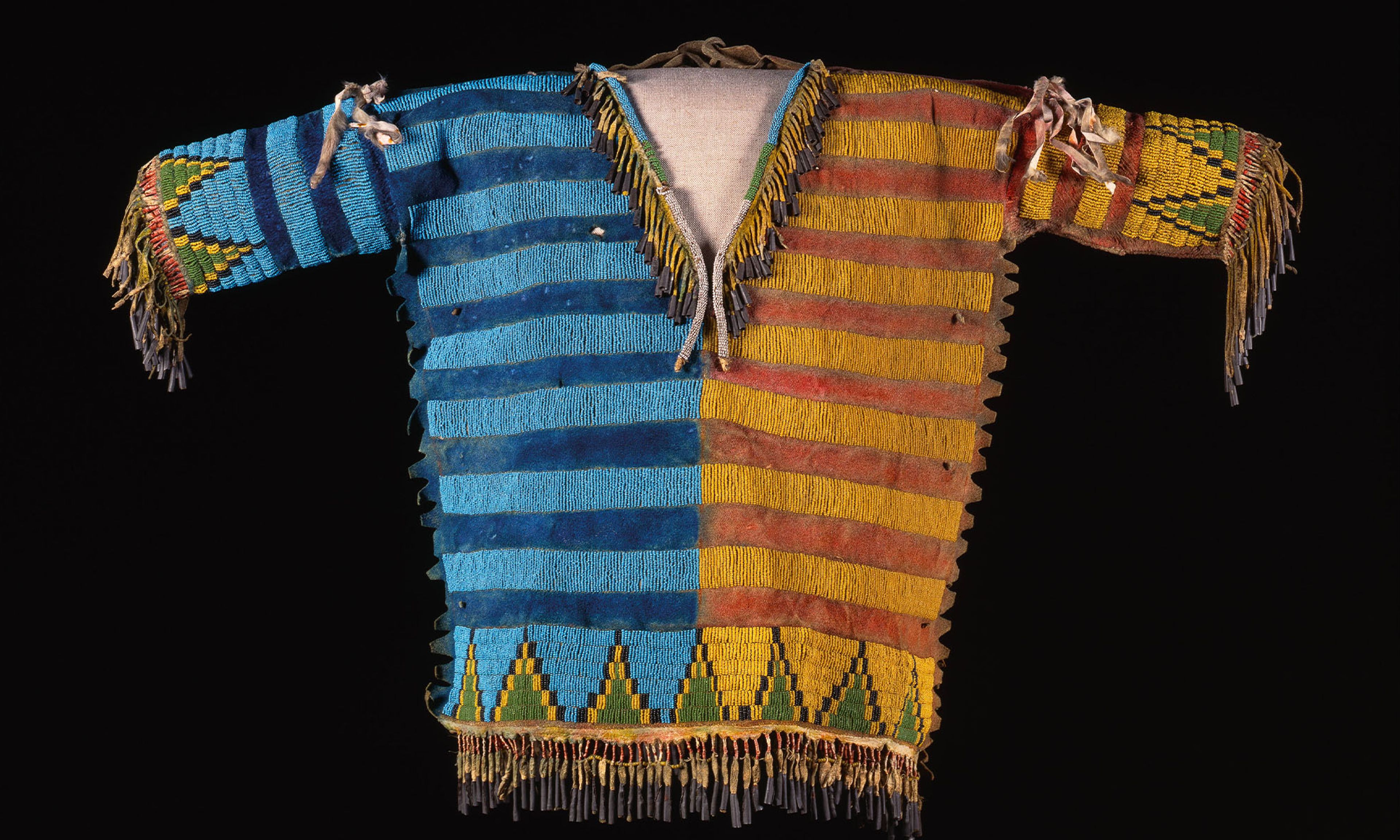
Today I’ll take you out to the ball game in spirit and prose. I’d never been to the Baseball Hall of Fame in leafy, pretty Cooperstown in upstate New York. It’s more than a museum of baseball history. It’s the Olympus for players, umpires, managers, owners, and pioneers who have unmatched talents, love of the game, and a storied career. But first, there’s more to be said about the Fenimore Art Museum down the road. The subject there is diversity, front of mind at the Hall of Fame, too.
I’ve written over the years about the Diversity, Equity, and Inclusion (DEI) cancer running wild in our universities and, to a lesser extent, in our art museums. It’s ebbing, unevenly. One thing to remember, though, is “diversity” hasn’t always been a dirty word. Once upon a time, it didn’t involve quotas, oppression theater, and cratered standards. The Fenimore, like all good museums, practiced “diversity” long before it was perverted. It means, in part, creating a balanced exhibition program that appeals to those of us with catholic tastes — I’m curious about most things — as well as those with more focused interests. It means spotlights on overlooked artists from the past, emerging artists, and offbeat art. All these things serve the public well and make curating fun. But DEI, run by psychos, makes diversity torture.





Comments