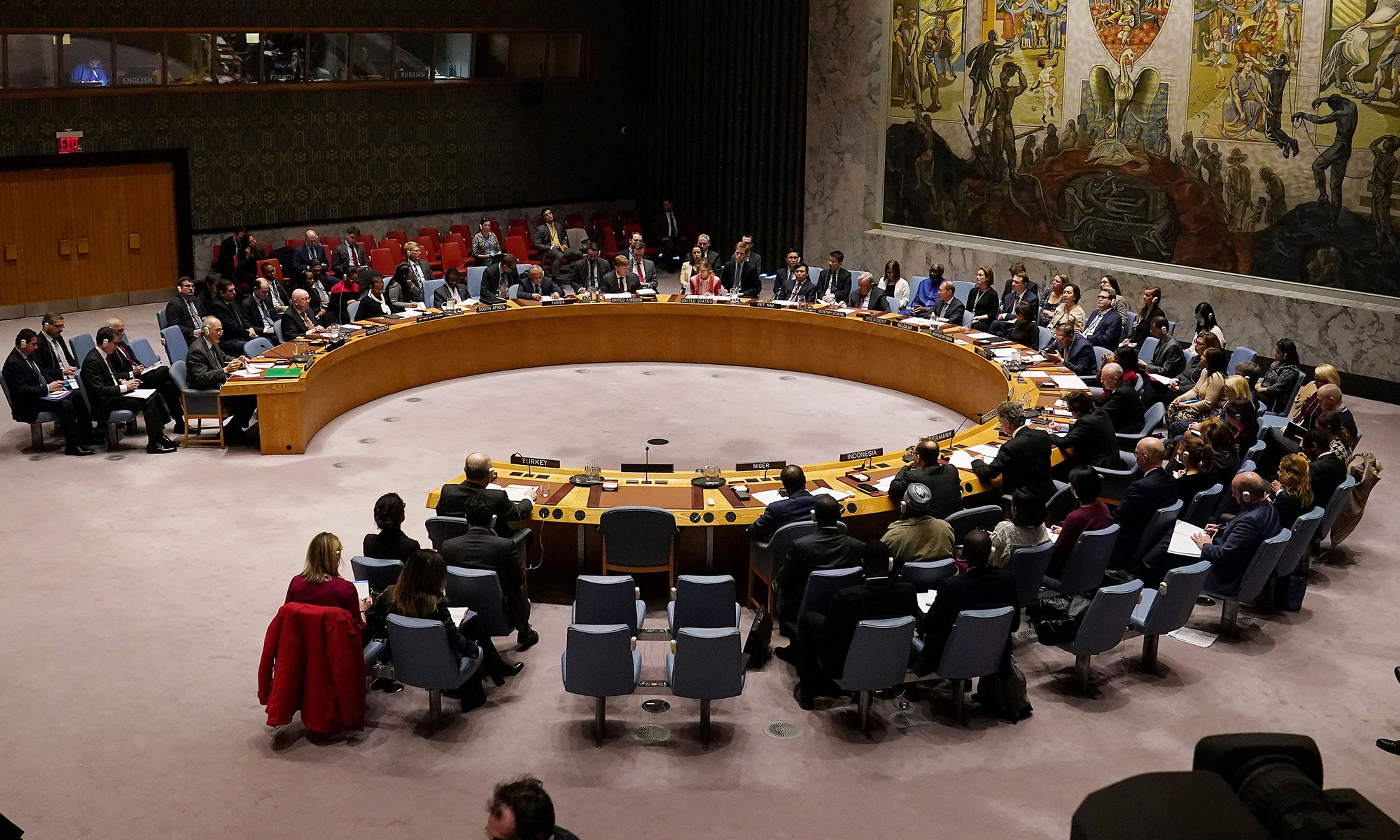
When a U.S. proposal to extend the U.N.’s arms embargo on Iran failed last week, Secretary of State Mike Pompeo was furious. “The Security Council’s failure to act decisively in defense of international peace and security is inexcusable,” he said in a statement issued on Friday.
A meager two countries — the United States and the Dominican Republic — voted for the measure. Meanwhile, the United Kingdom and France, along with nine of the council’s nonpermanent members abstained. Predictably, Russia and China — which want to sell the Iranian regime weapons — vetoed it, despite Tehran’s history of backing terrorist groups across the Middle East and its violations of limits to nuclear enrichment activity under the agreement. Such is the diplomacy of the Iran deal.



Comments