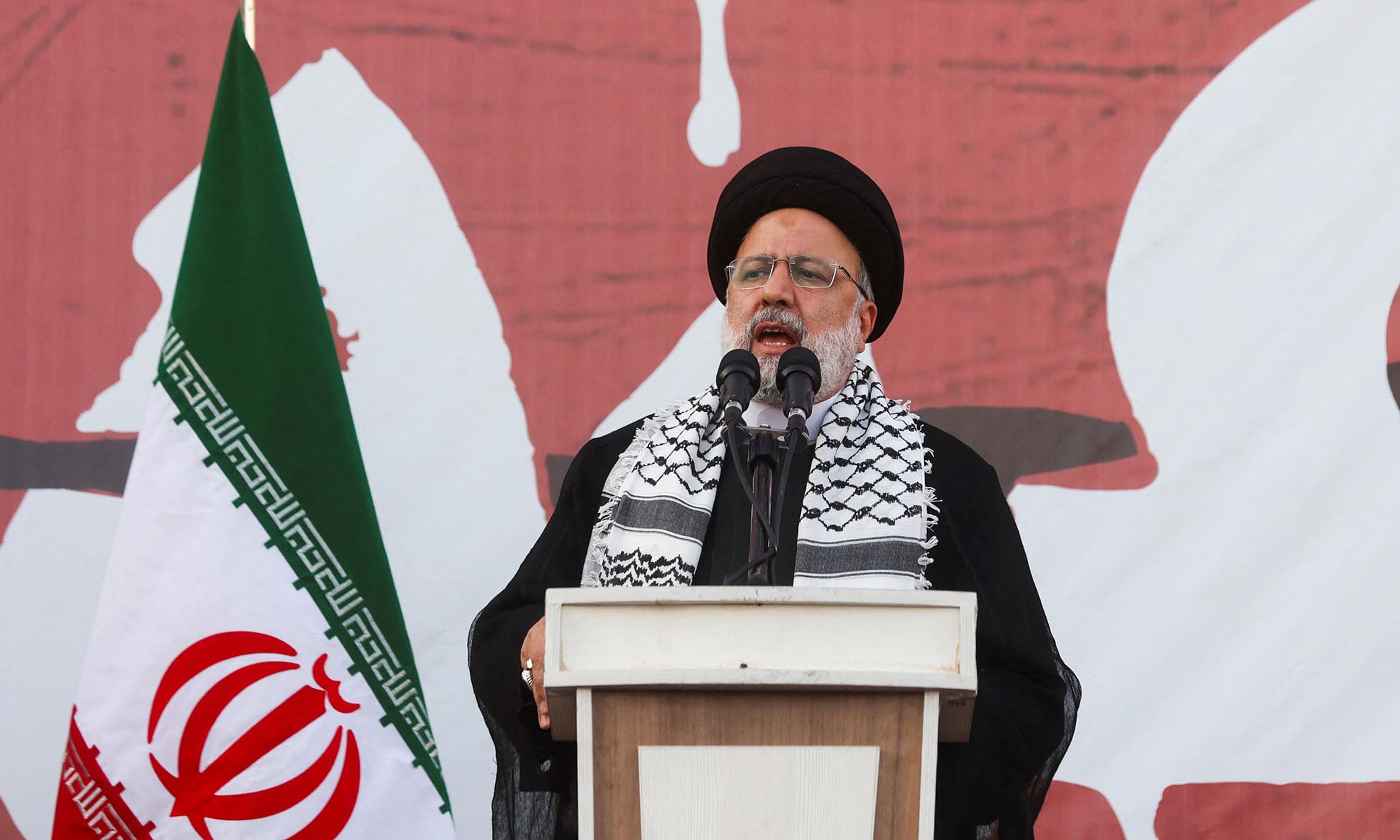
Recent events have thrust Iran into the spotlight, with the January 3 bombing in Kerman — during events commemorating the fourth anniversary of the death of Qasem Soleimani, the head of the Quds Force of the Islamic Revolutionary Guard Corps (IRGC) — grabbing most of the headlines.
While the Kernan incident might seem relatively minor in the global context, it underscores the immense pressure bearing down on the regime from all sides. Externally, Iran’s strategy of cultivating a network of proxies to harass Israel and destabilize the region is facing challenges. Domestically, Tehran faces a growing water crisis, civil unrest, and rising insurgency. Beset by such dynamics, the Islamist regime is potentially at a tipping point of internal instability.




Comments