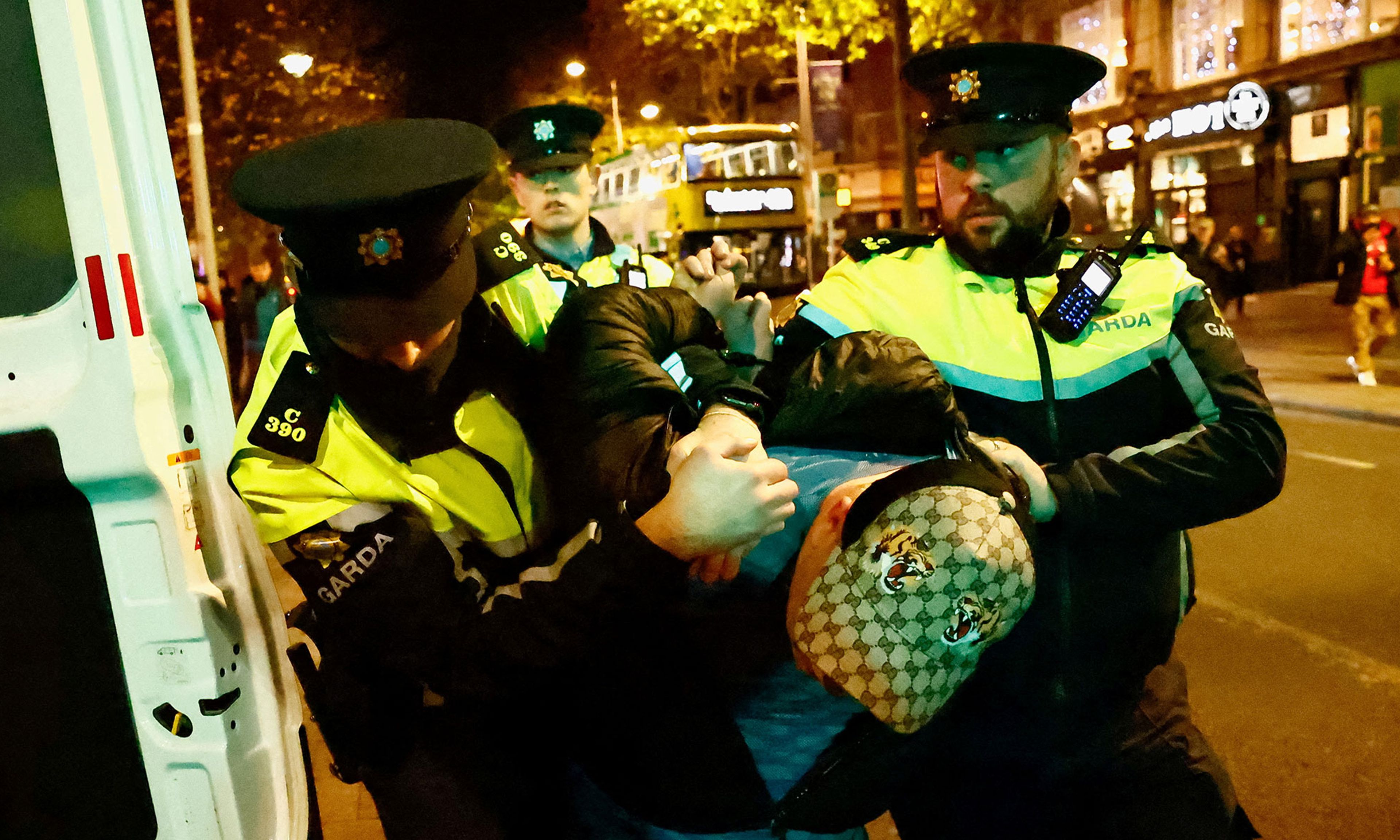
The ferocious desire of Ireland’s myopic and feckless governing class to crack down on speech that it considers “hateful” seems at last to be reaching fruition. After a riot in Dublin was blamed on “far-right” agitators, the country’s taoiseach, Leo Varadkar, renewed his push for a stricter set of legal restrictions on the free expression of the citizenry. “It’s now very obvious to anyone who might have doubted us,” Varadkar said last week, “that our incitement-to-hatred legislation is just not up to date.” “We need that legislation through,” he insisted, “and we need it through in a matter of weeks.”
When selling its proposal, Ireland’s government is careful to use words that do not appear suggestive of censorship. Far from being about “enforcing politeness or political correctness,” the country’s minister of justice, Helen McEntee, maintained last week, the statute she covets is about preventing forms of “criminal hate speech” that “recklessly incite” or “stir up acts of hostility, discrimination or violence.” “People may hold different views and opinions,” McEntee vowed. Her target, she explained, was instigation.





Comments