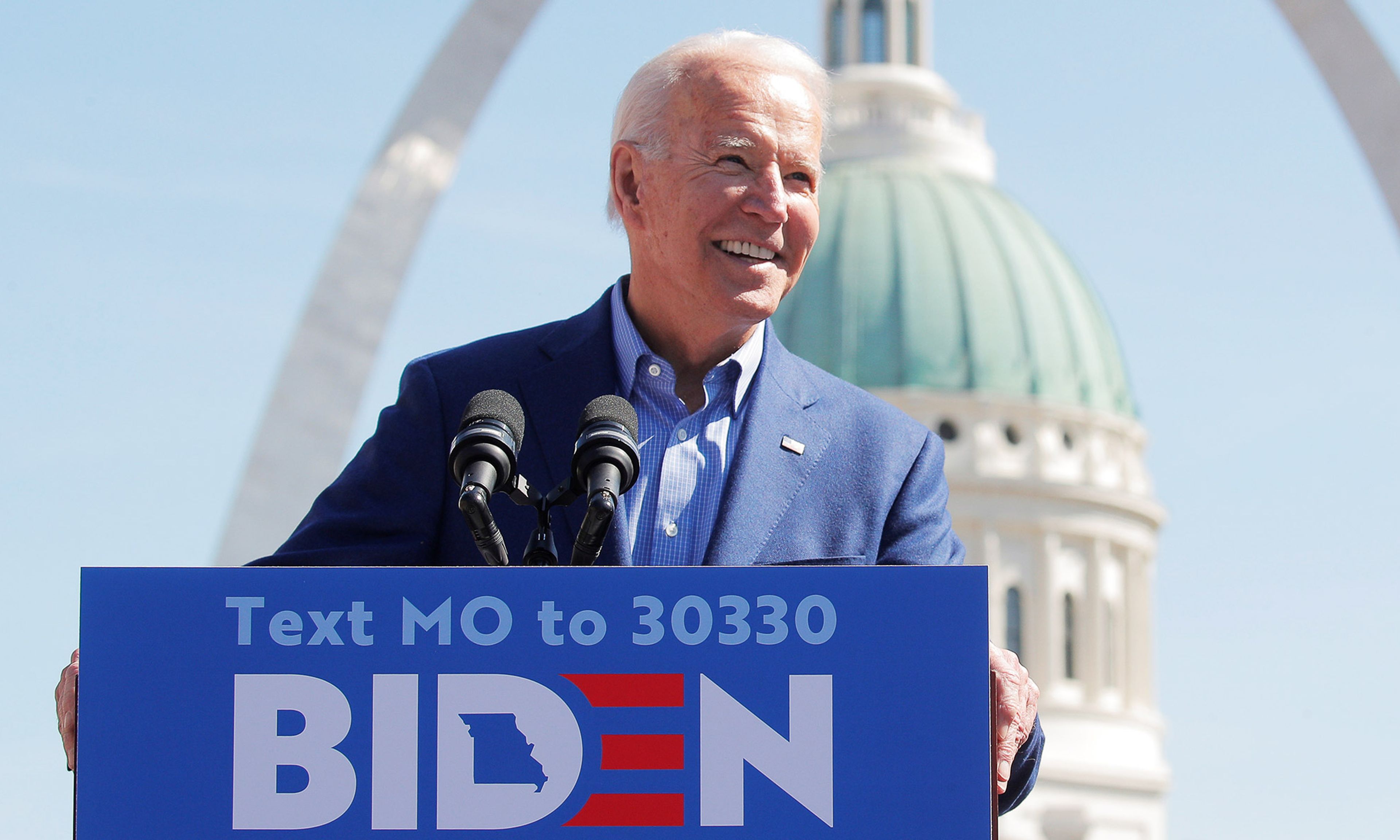
Joe Biden would be the oldest person ever elected president, and as I noted Tuesday, he is also running a familiar kind of “old warhorse” candidacy that has never succeeded. That’s not the only way in which Biden (or for that matter Bernie Sanders) would be a historically unique Democratic nominee. As, respectively, a former senator from Delaware and a senator from Vermont, Biden and Sanders would each also be the first presidential nominee in history from one of the smallest states in the nation. Delaware and Vermont are the 45th-largest and 49th-largest states in the U.S., respectively, and each has just the minimum three electoral votes.
The Small-Staters Sixteen major-party presidential candidates have come from states with fewer than ten electoral votes. Only six of them have won the White House, and three of those were war heroes. The 16 small-state nominees, in ascending order from the smallest home state by share of the Electoral College to the largest, are:





Comments