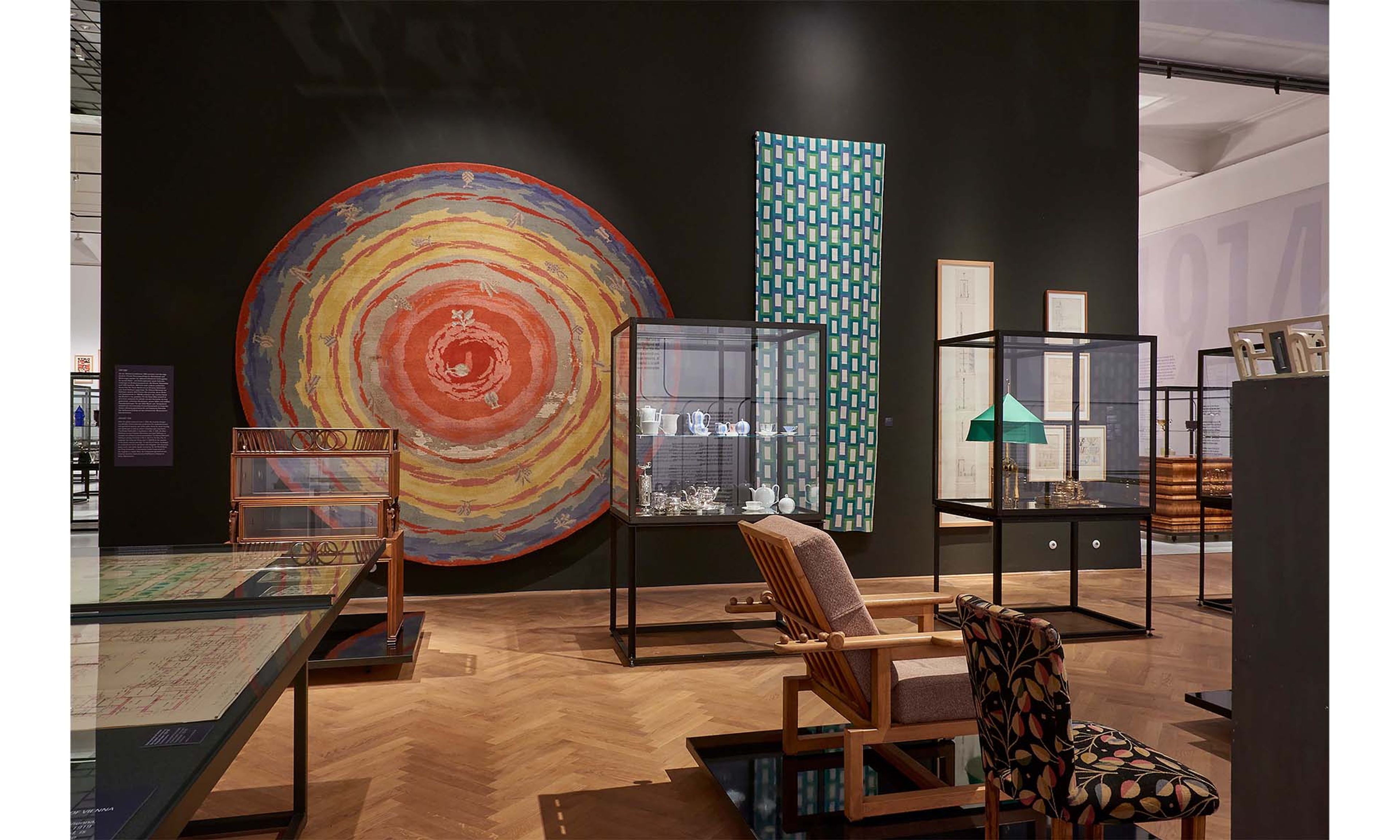
If there’s a once-in-a-lifetime art exhibition, and such events do happen, I’ll move heaven and earth to get there, and to write about it. The Bruegel the Elder show in Vienna four years ago is an example. He hadn’t had a retrospective — a gathering of everything worth seeing — in 450 years. The Raphael retrospective in Rome is another. Popes, presidents, and prime ministers pushed museums to let their Raphaels go. Even Berlusconi took time from bunga, bunga to make calls. The show, at the Scuderie del Quirinale, was splendid. Tintoretto in Venice, Donatello in Florence, and Delacroix in Paris were ultimate harvests, showing the best and most iconic but also the best and most obscure and the best and most cloistered. These are unique experiences.
A proper retrospective always has new, revelatory scholarship. The Europeans do it best. American museums, obsessed with marketing and audience numbers, will do a hodgepodge survey of, say, Alice Neel or Georgia O’Keeffe, offer leftovers for art history, and call it a retrospective. After I visited the Biennale in Venice in May, I crossed the Alps to Vienna. Not tugged by malamutes but by plane, though I would have gone mit dem Hunde if needed. I went to see the Josef Hoffmann retrospective at the MAK (Museum für angewandte Kunst), Austria’s main museum for craft and design.


Comments