Lessons About Power from Middle-earth

A story that needs retelling in our age of rage.

Share this story

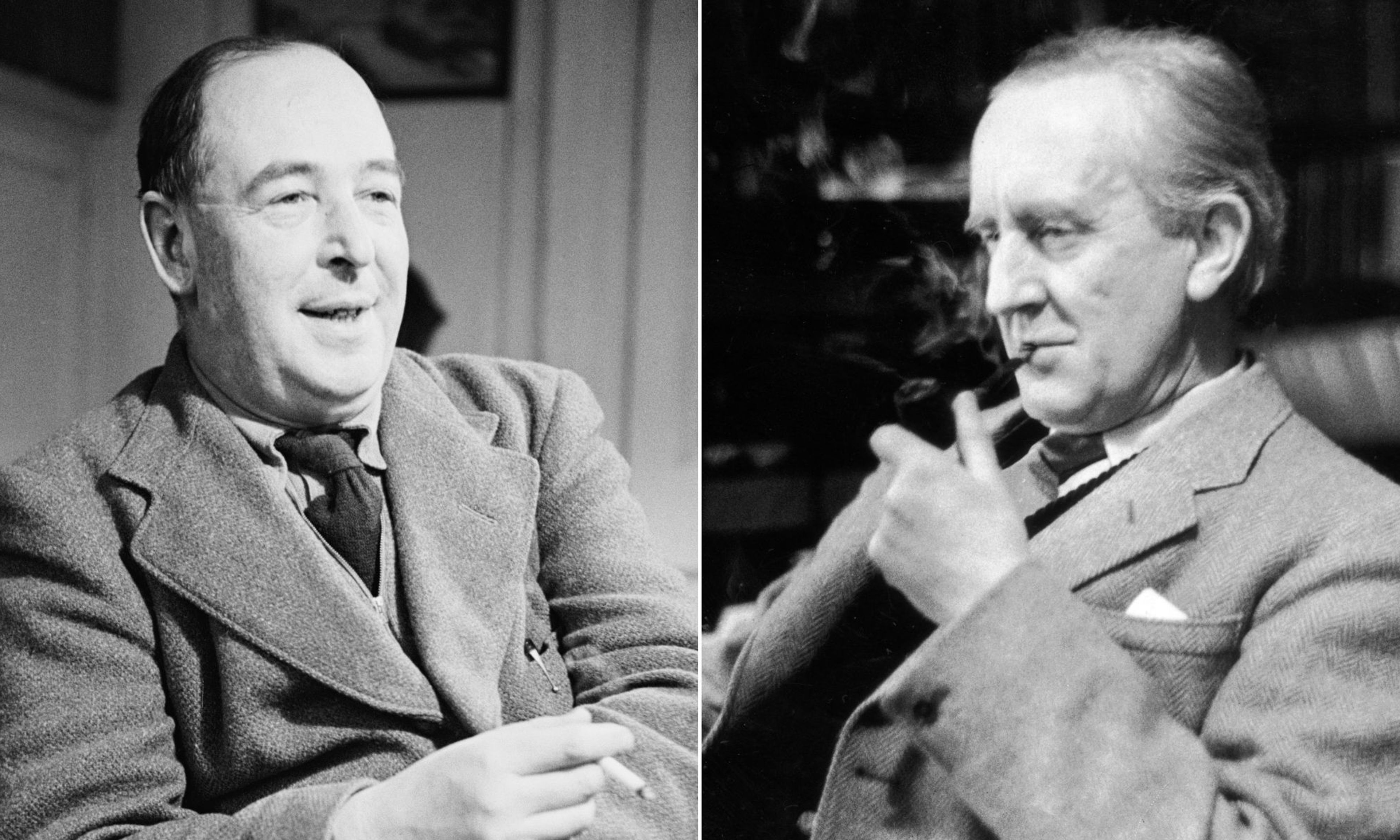
C. S. Lewis, left, and J. R. R. Tolkien, right

John Chillingworth/Stringer via Getty Images, Haywood Magee/Picture Post/Hulton Archive/Getty Images

‘I don’t know if I’m weaker than other people,” wrote C. S. Lewis to his brother on July 20, 1940, “but it is a positive revelation to me that while the speech lasts it is impossible not to waver just a little.”

Adolf Hitler had delivered a menacing speech to the German Reichstag the night before, simultaneously translated into English by the BBC. In it, he blamed the war in Europe on “the big capitalist clique of war profiteers” and “the international Jewish poison.” The rise of totalitarianism in the 1930s — in Germany, Italy, and the Soviet Union — depended upon millions of people succumbing to the political propaganda of regimes that drew their strength from their hatreds.


Joseph Loconte

About the Author

Joseph Loconte

Joseph Loconte is the director of The Rivendell Center in New York City and the author of The War for Middle-earth: J.R.R. Tolkien and C.S. Lewis Confront the Gathering Storm, 1933–1945. He serves as a senior fellow at the Sagamore Institute and as the C.S. Lewis Scholar for Public Life at Grove City College. He is at work on a documentary film about the impact of war on the lives of Tolkien and Lewis.

Comments

Advertisement

Advertisement