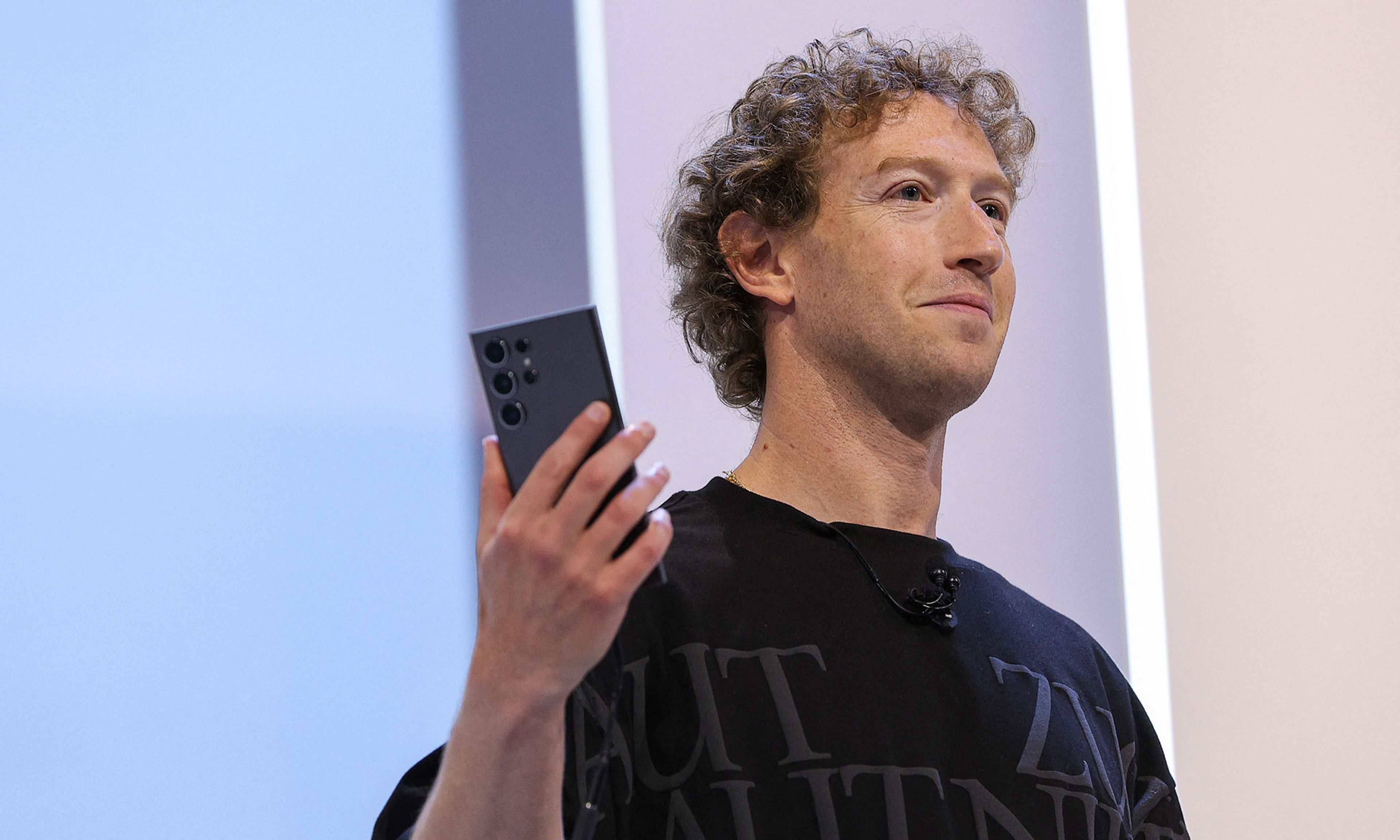
The founder of Meta, Mark Zuckerberg, has announced substantial changes to the way that his company’s two most popular products, the social media networks Facebook and Instagram, will be moderated going forward. In a video published Tuesday morning, Zuckerberg committed to “simplifying our policies and restoring free expression on our platforms.” Among the planned changes are to get “rid of fact checkers and replace them with community notes similar to X”; to move all content-moderation teams from California to Texas; to accept that certain propositions in the realms of “gender” and “immigration” are debatable — and ought to be debated online as much as “in Congress”; to tune the sites’ “content filters to require much higher confidence before taking down content”; and to work with the Trump administration to “push back on governments around the world that are going after American companies and pushing to censor more.” In short, Zuckerberg intends to follow the example that was set by Elon Musk after he bought Twitter. It seems that things can, indeed, change fast in tech.
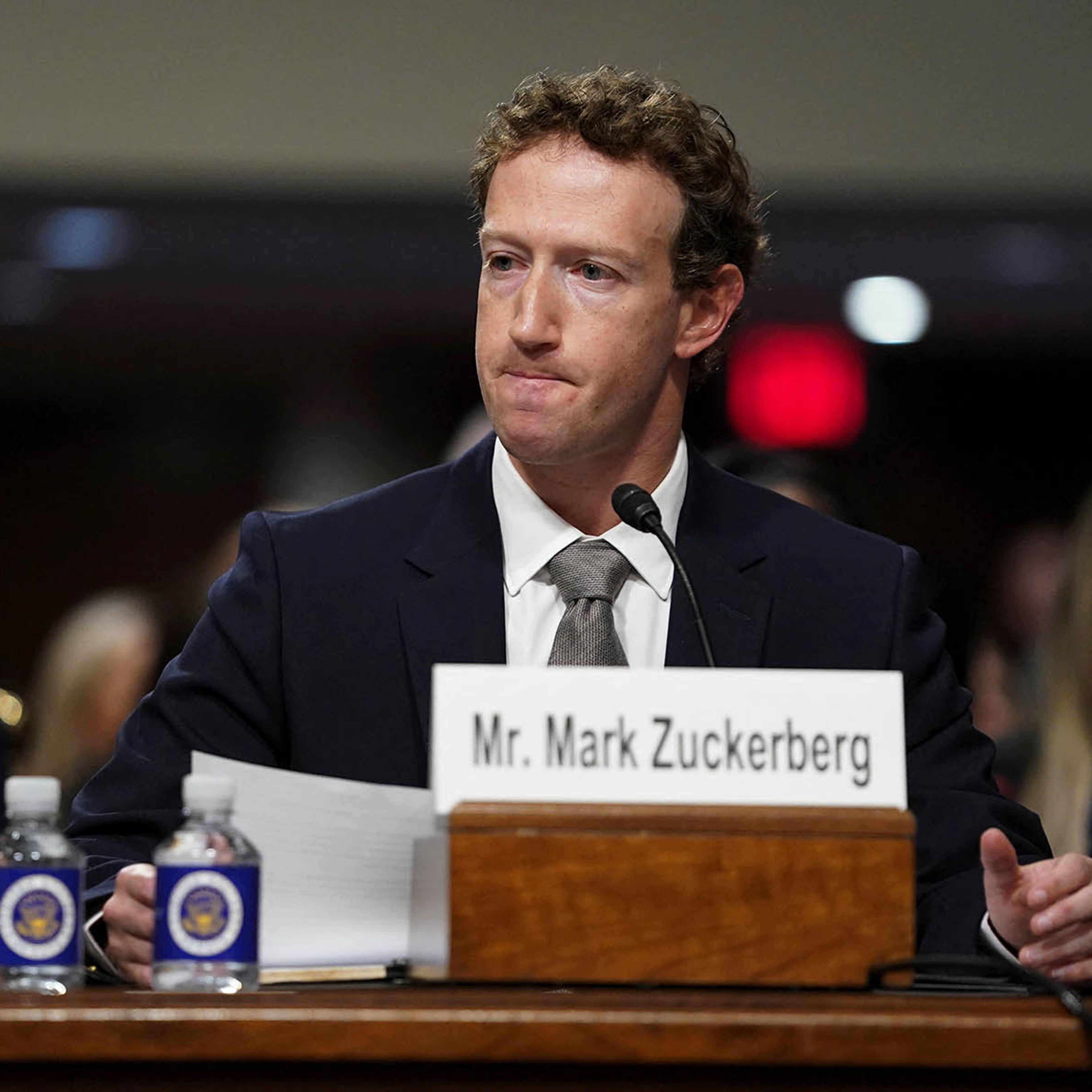
Reasonable observers will debate the purity of Zuckerberg’s motivations. The optimistic case is that Zuckerberg — who apologized last year for having acquiesced to the Biden administration’s many censorship requests — has genuinely recognized the error of his company’s ways. The cynical case is that Zuckerberg is a hollow opportunist who wishes to ingratiate himself with the new administration. Irrespective, the changes that Zuckerberg has announced are all welcome — and, just as important, they are sufficiently concrete as to make measurement easy. If Zuckerberg does not get rid of the fact-checkers in favor of community notes, it will be evident. If he does not move his moderation teams to Texas, it will be clear. If his sites do not stop banning users for expressing quotidian political opinions, it will be obvious. Some of his promises — reworking content filters, for example — will be hard to track directly. But their consequences will not. By publishing his video, Zuckerberg has committed himself. There will be no hiding from the fallout.
All told, Zuckerberg’s move ought to be seen as a reaction to change within Silicon Valley rather than as a leading indicator. It has taken a long time, but there are growing signs that many of America’s most prominent tech entrepreneurs have begun to recall the swashbuckling spirit for which their forebears became famous. Particularly in the realms of AI, social media, and cryptocurrency, the Biden years ushered in a growing rift between Big Tech and the leadership of the Democratic Party. Far from engendering this shift, Mark Zuckerberg is merely the latest figure to highlight it.
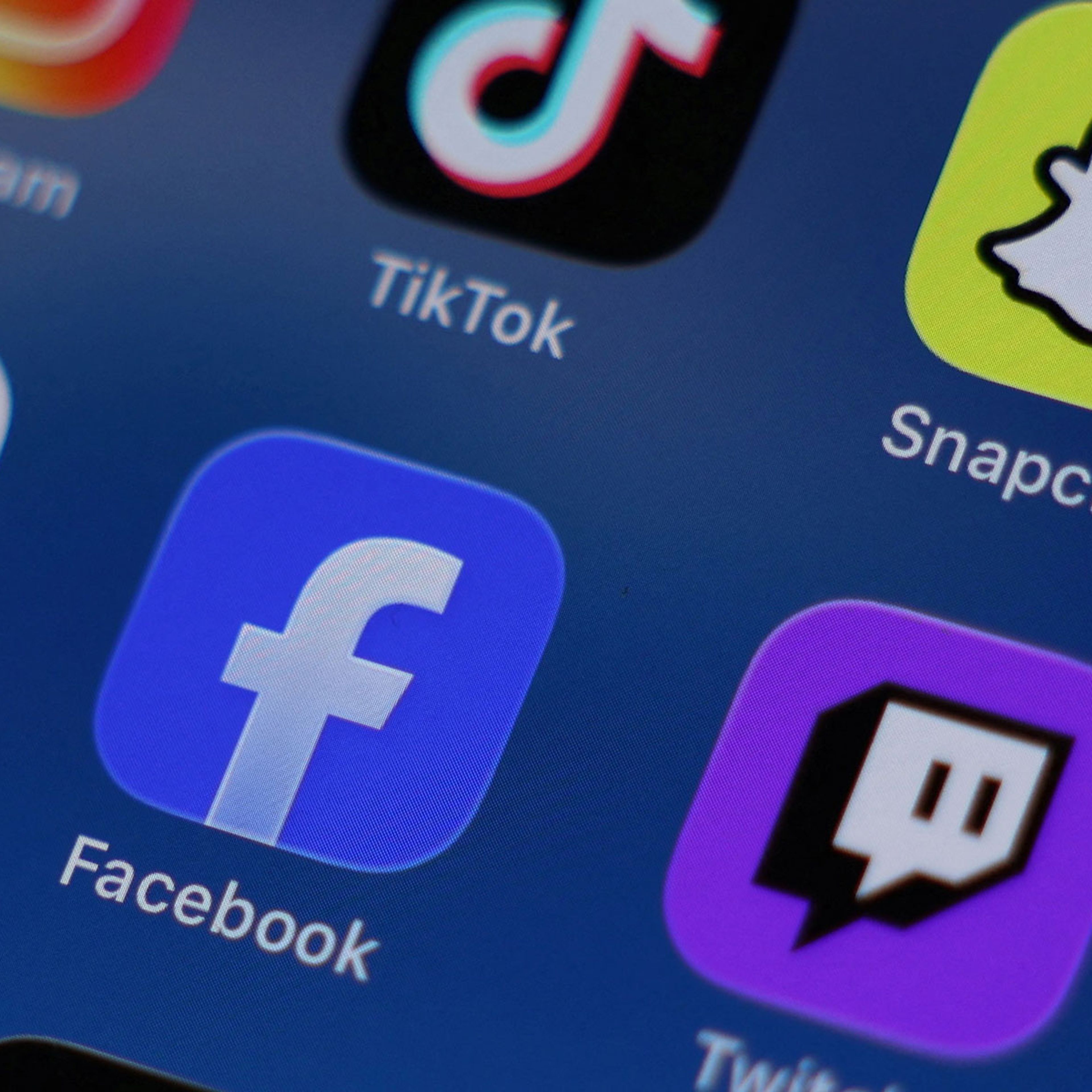
Still, while he is not the first, Zuckerberg is certainly one of the most consequential among the founders who have altered course. With more than 3 billion monthly active users, Facebook is the most popular social media site in the world. More than 250 million Americans are on Facebook, and unlike X, which is dominated by power users, its user base is extremely diverse. The same is true of Instagram, which has 2 billion monthly active users worldwide and 166 million users in the United States. One cannot go so far as to say that Facebook or Instagram are “real life,” but given the size of their memberships and the manner in which they are used, they are closer to it than is X. There is a reason that activists have been so determined to control the flow of information through Facebook and Instagram, and that reason is that it works. That this manipulation will be coming to an end — at least for now — is terrific news indeed.
In his declaration, Zuckerberg repeatedly made the case for free speech as a good in and of itself. Inter alia, he said that the company would “get back to our roots”; that he wanted to “make sure that people can share their beliefs and experiences on our platforms”; that he hoped to protect arguments about topics “that are the subject of frequent political discourse and debate”; and that the purpose of social media is “to give people a voice.” Ultimately, Zuckerberg said that if it came down to a choice between catching “less bad stuff” and “accidentally” taking down “innocent people’s posts,” he would henceforth choose “to catch less bad stuff.” That tradeoff is not unique to social media; rather, it is the most frequent quandary that faces free societies. If he sticks to his promises, Zuckerberg will be as criticized for the results as he will be praised. He ought to stay the course nevertheless, for, as he has now learned the hard way, the micromanagement of the citizenry may be appealing to our would-be social engineers, but, in practice, it leads to ruin.



Comments