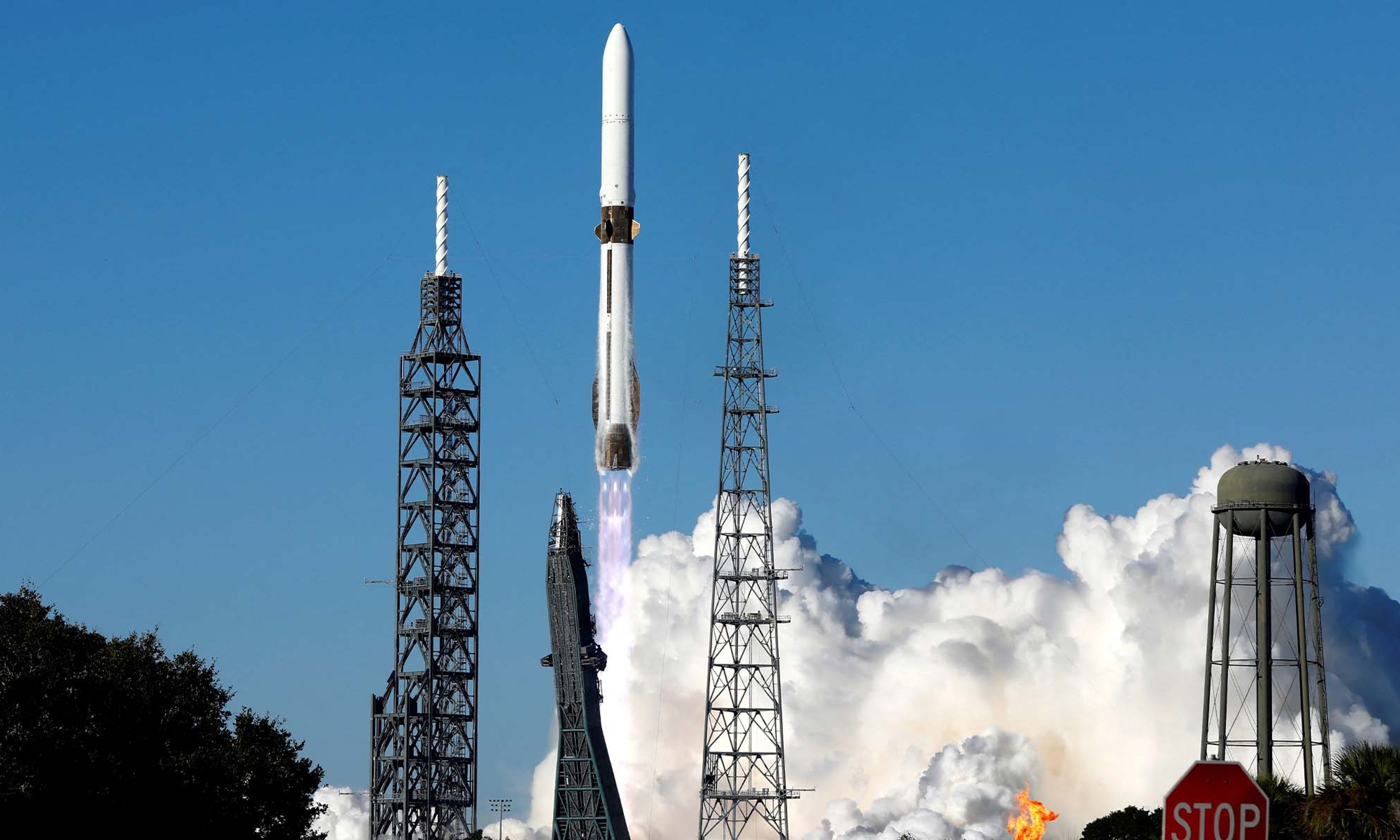
This week, NASA announced a focused vision to return to the Moon and send missions to Mars. The plan is part of a spending package that cuts out pet-project pork and divisive DEI initiatives, an immense improvement over the space agency’s previous modus operandi.
NASA plans to launch the nuclear-powered “Space Reactor-1 Freedom” spacecraft to Mars in 2028 with “Ignition” helicopters to explore our red neighbor in space. The craft, which will demonstrate “advanced nuclear electric propulsion in deep space,” notably boasts a highly simplified mission design — reversing the agency’s long-running problem of funding massive, vendor-driven wish lists rather than focused, mission-driven programs.


Comments