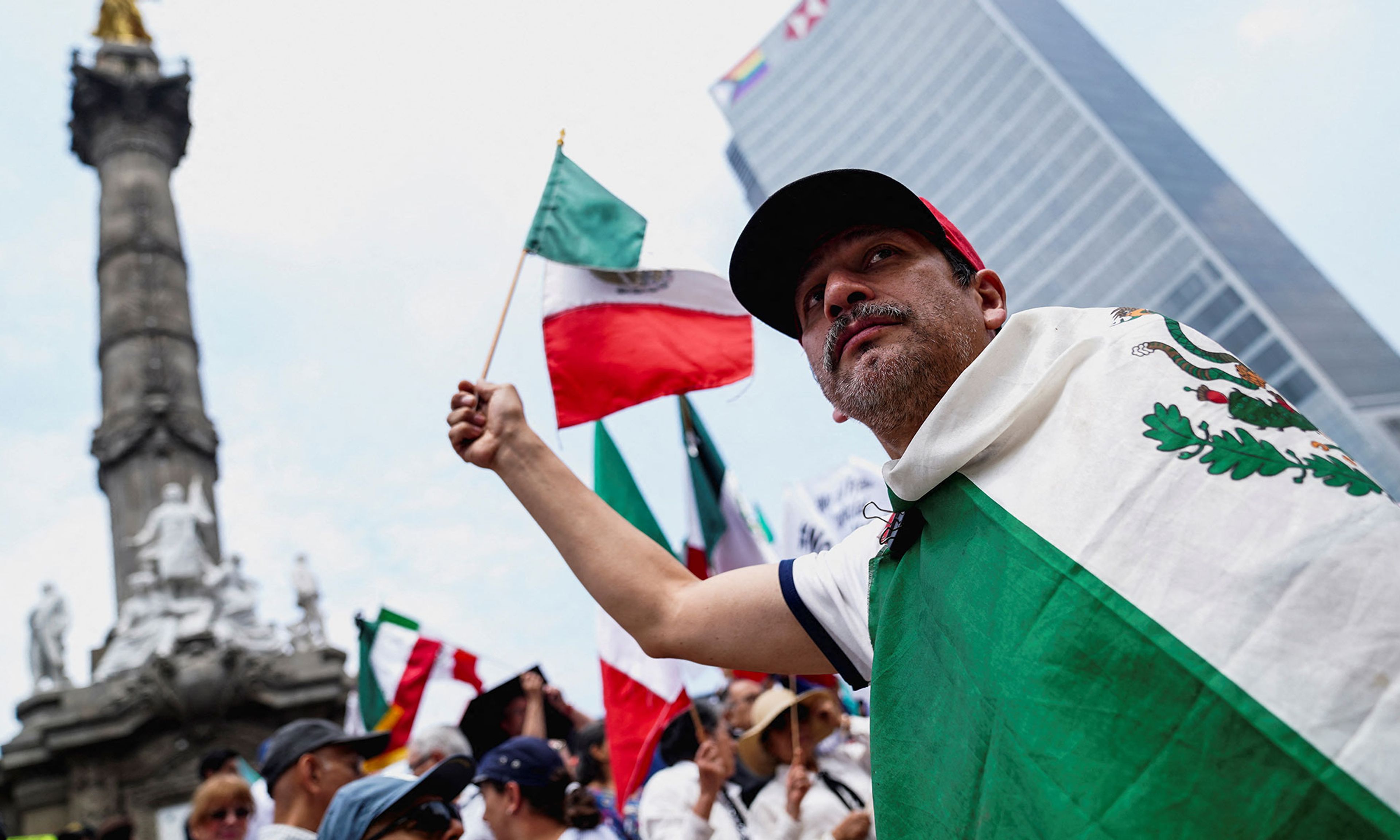
In 1613, the Keichō Embassy under Hasekura Tsunenaga set forth from Japan to the Viceroyalty of New Spain, landing at Acapulco and spending some time in Ciudad de México — not even a full century removed from its past as Tenochtitlan — before proceeding to Europe. The Japanese visit, including a retinue of samurai, was chronicled by the Nahua annalist Chimalpahin, who recorded armed conflicts between the visitors and their Spanish escorts. For a certain class of history buff, swordplay between a Spaniard of the Siglo de Oro and a samurai has the aura of a fantastical happening, but this episode was real. The outcome was a non-mortal wound for the Spaniard while the Japanese mission proceeded onward.
Spain’s interest in Japan had been sharpened 20 years prior with Toyotomi Hideyoshi’s launch of the Imjin War versus Joseon Korea and Ming China — the Spanish Philippines were understood to be next on his list of aspirations — and the burgeoning ranks of Japanese Christians, reaching into the hundreds of thousands, lent spiritual connection to the strategic. A Spanish priest even traveled with the Japanese armies as a chaplain to some of Hideyoshi’s Christian soldiery, an unofficial Habsburg-imperium presence on the war-wracked Korean peninsula. The embassy nevertheless came to a fruitless end, with Hasekura failing to secure liaison between his daimyo and the powers of Europe, and Japan turning toward cruel repression of its Christians and instituting managed isolation from Europe that would last two centuries. In the end, its legacy was a grand-strategic moment missed for all parties, and a small community of descendants of the retinue in Spain, to this day bearing the surname Japón.





Comments