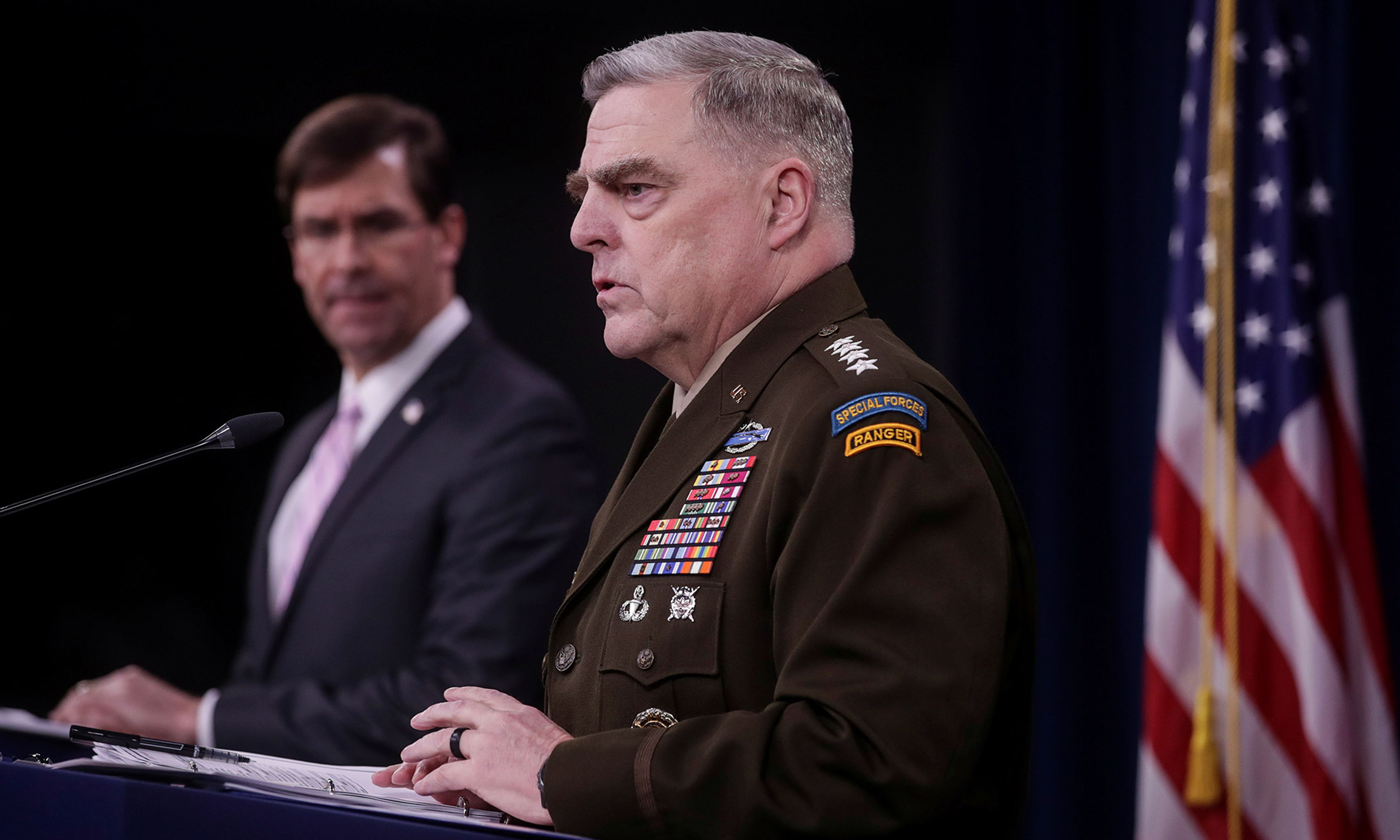
Tensions between civilian authorities and the uniformed military are nothing new in American history. Indeed, civil-military tensions can be traced to the very beginning of the republic and have occurred during both times of peace and war. So we should not be surprised that civil-military tensions have flared in the wake of the recent rioting, arson, and looting across the United States. In the current case, one focus of these civil-military tensions is the proper relationship between federal and state authority during a domestic emergency. Is it proper to use regular troops to curtail domestic disorder? Under what circumstances?
A secondary question that has arisen in recent days is: What recourse does the military have in the event that its leadership disagrees with elected civilians? What do military leaders do if they believe that the military is being “politicized”? Is resignation by a high-ranking officer a valid response when there are disagreements between civilian authorities and the preferences of the uniformed military?





Comments