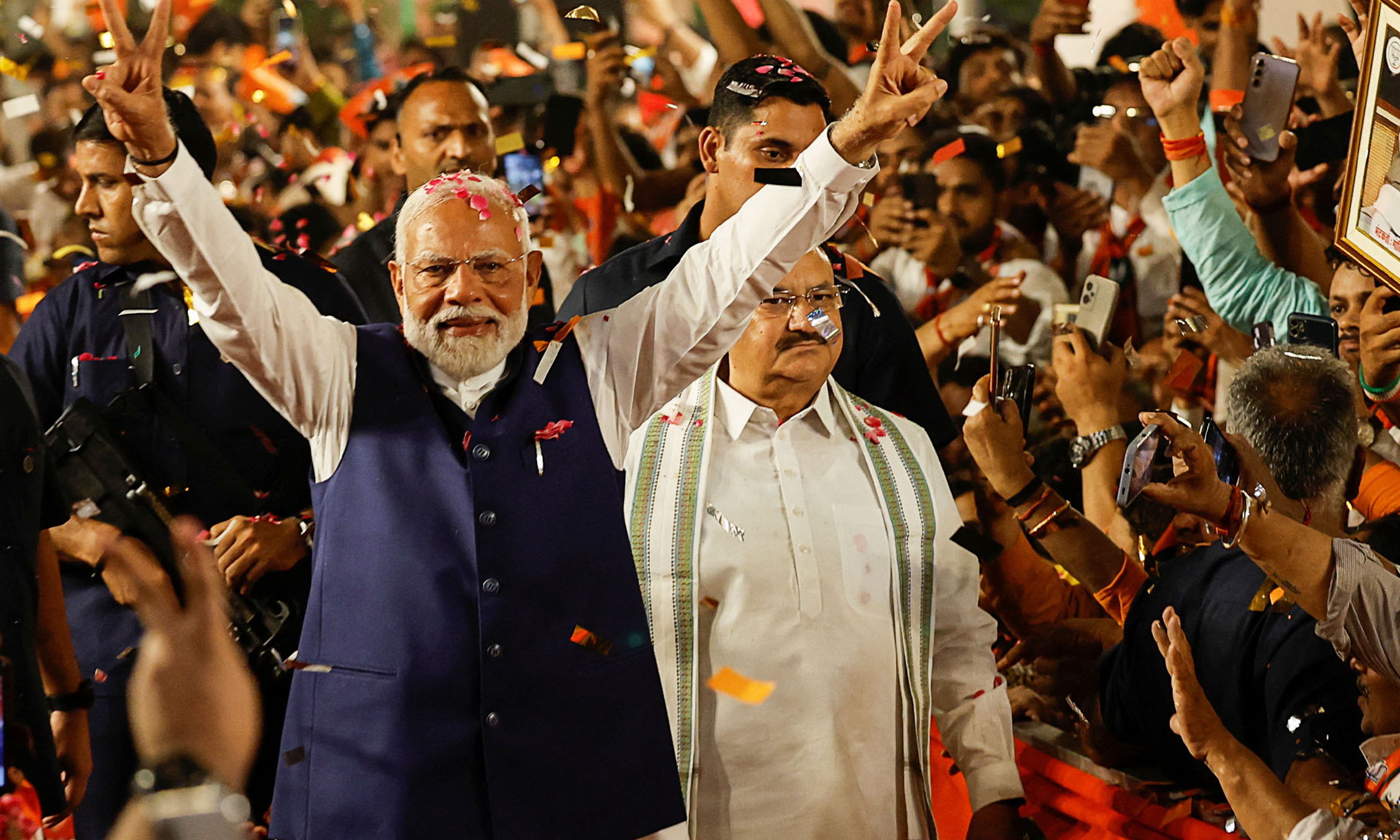
This week, India concluded humanity’s largest democratic experiment. 640 million Indians in a country spanning 28 states and over 1.2 million square miles, of all races and religions, freely voted. Over the course of 44 days, sometimes in heat approaching 120 degrees, Indian citizens stood in lines and made their voices heard. India’s universal voter ID assures that every vote is electronic and secured; trust in its democracy has never been higher. There are no serious claims of rigged elections or vote suppression.
If you are a Westerner, however, you might be surprised by these facts. For the past several years, Western media and some political groups have repeated the story that incumbent prime minister Narendra Modi is a growing autocrat suppressing the rights of millions of Indians. The truth is much more nuanced and complicated, as most facts in India often are.




Comments