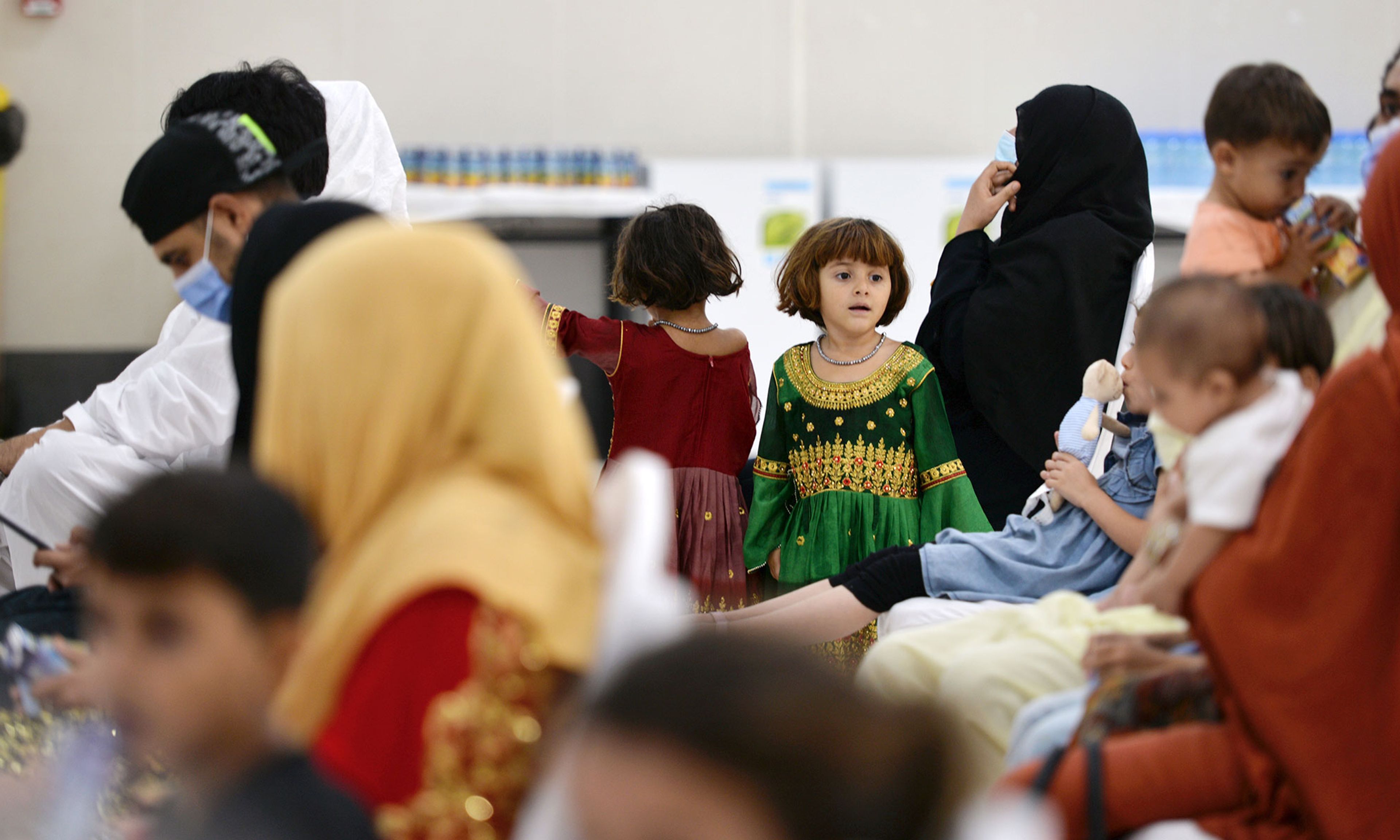
On August 16, 1,500 Afghan religious minorities watched with mounting anxiety as the wheels pulled up on the last U.S. charter flight for evacuees from the UAE airport, carrying a few hundred members of Afghan military families. The minorities were left behind in Emirates Humanitarian City (EHC), the evacuation center in Abu Dhabi, where over 12,000 fleeing Afghans found temporary shelter beginning last August. When American engagement winds down there in September, the minorities fear abandonment to a fate of indefinite limbo, in lockdown at EHC, or, if the UAE tires of supporting the camp and deports them, certain death in their Taliban-ruled homeland.
Washington used to care about and even prioritize persecuted religious minorities, but it doesn’t now, not even those from Afghanistan, a country identified among the world’s worst religious persecutors by the bipartisan U.S. Commission on International Religious Freedom (USCIRF). As I noted in these pages, shortly after Senate confirmation, Secretary of State Antony Blinken announced that religious freedom would not be given priority in his department’s list of human-rights concerns. Afghanistan’s religious minorities — Christians, Hazara Shiites, Hindus, Sikhs, Ahmadis, Bahais, and Jews — face veritable genocide as “infidels” and “apostates” under Taliban Islamic law, yet these groups were all excluded from U.S. priority refugee admissions status. The administration ignored repeated pleas by USCIRF and hundreds of advocates to include them in the “P-2” priority visa category.




Comments