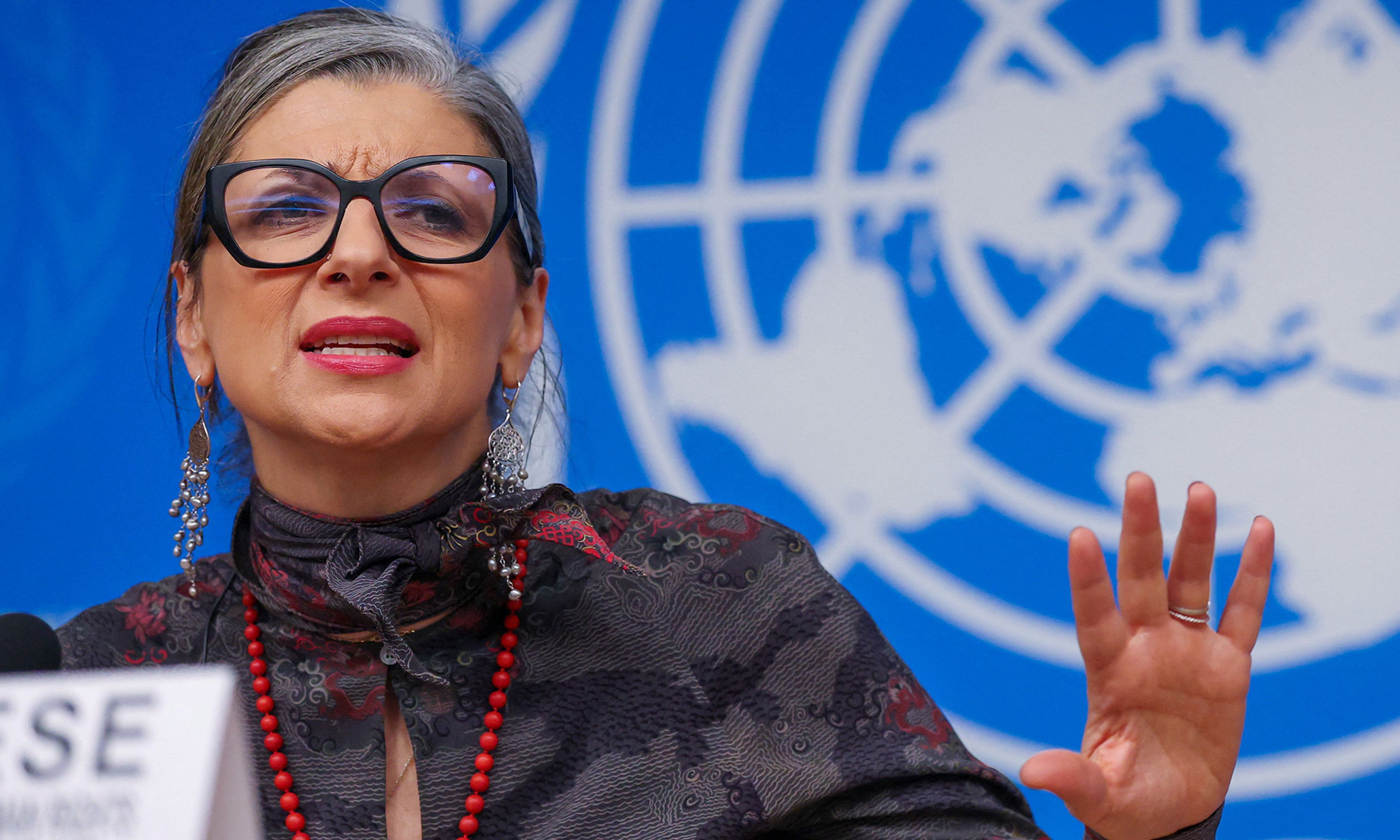
Yesterday, the Trump administration removed Francesca Albanese from the U.S. sanctions list after a federal judge temporarily blocked enforcement on First Amendment grounds. That may have been a tactical decision, but it was not a legal concession, and it should not be treated as one. The injunction remains in effect, meaning the government cannot relist her without immediately running into the same order. The only way out is through the D.C. Circuit, and the administration should appeal — not to punish Albanese, but because the opinion is entirely wrong and its logic, left unchallenged, threatens the legal foundation of the entire U.S. sanctions architecture.
Albanese, an Italian citizen living abroad, was sanctioned after the government concluded that she had assisted or supported International Criminal Court efforts to prosecute U.S. and Israeli nationals. She did not bring the lawsuit herself. Her Italian husband and U.S.-citizen daughter sued instead, arguing that the sanctions harmed their property, travel, family, and constitutional interests.




Comments