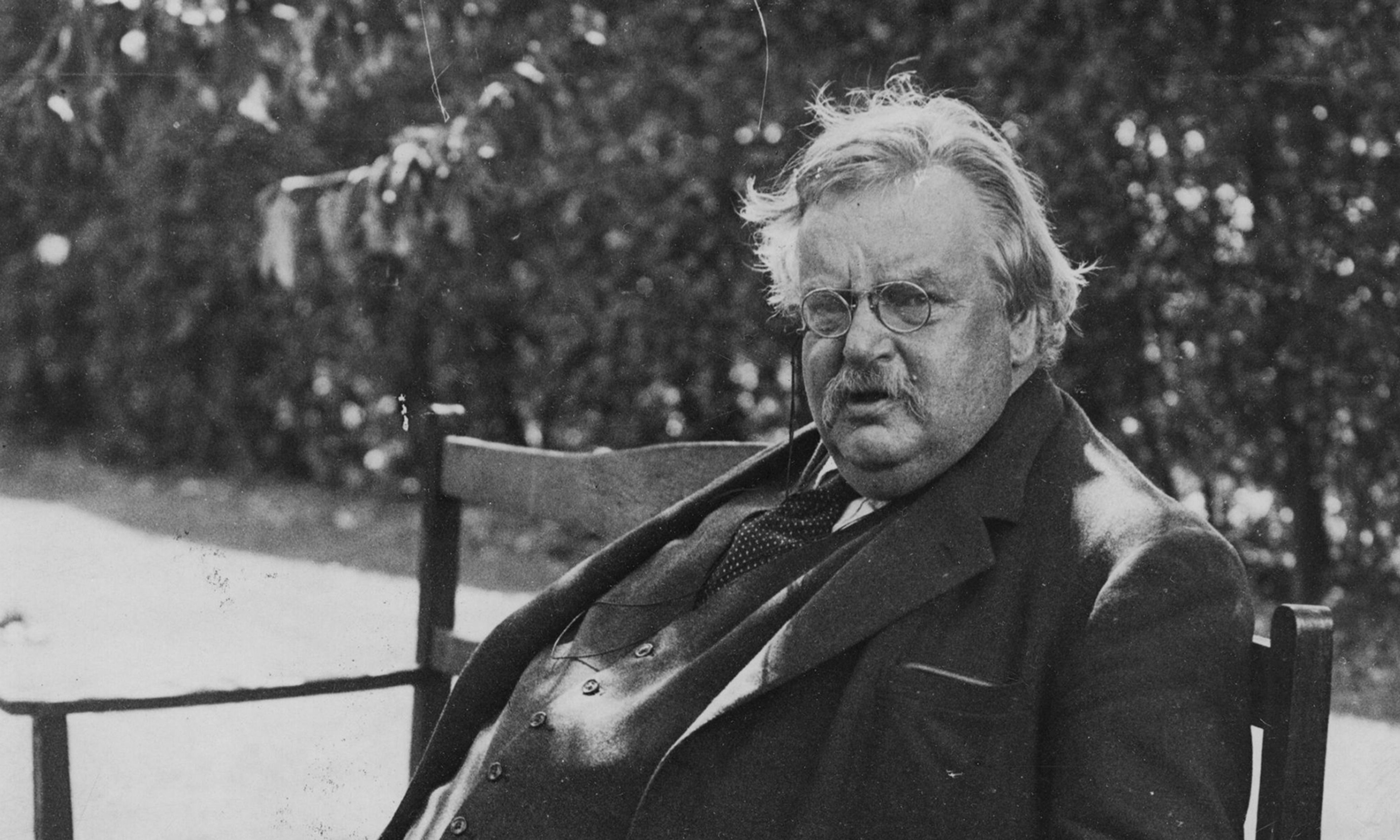
In the 1920s, when he was still an agnostic, C. S. Lewis noted in his diary his latest reading: “Began G. K. Chesterton’s Eugenics and Other Evils.”
A controversial English Catholic writer, Chesterton published his book in 1922, when the popularity of eugenics was at flood tide. Respectable opinion on both sides of the Atlantic embraced the concept: a scientific approach to selective breeding to reduce, and eventually eliminate, the category of people considered mentally and morally deficient. From U.S. Supreme Court Justice Oliver Wendell Holmes to Planned Parenthood founder Margaret Sanger, eugenics policies — including involuntary sterilization — were hailed as a “progressive” and “compassionate” solution to mounting social problems.





Comments