
Growing up in the early 1960s, nothing captured my imagination more than a history magazine: American Heritage. While other kids buried their noses in Mad and Batman, I was entranced by American Heritage’s golden spread-eagle logo, the hardbound magazine covers, the full-color reproductions of historic paintings, and the “junior” book histories. And the “heritage” its articles celebrated was an open-armed jubilee for what the magazine’s founding editor, Bruce Catton, called “that great, unfinished, and illogically inspiring story of the American people doing and being and becoming.”
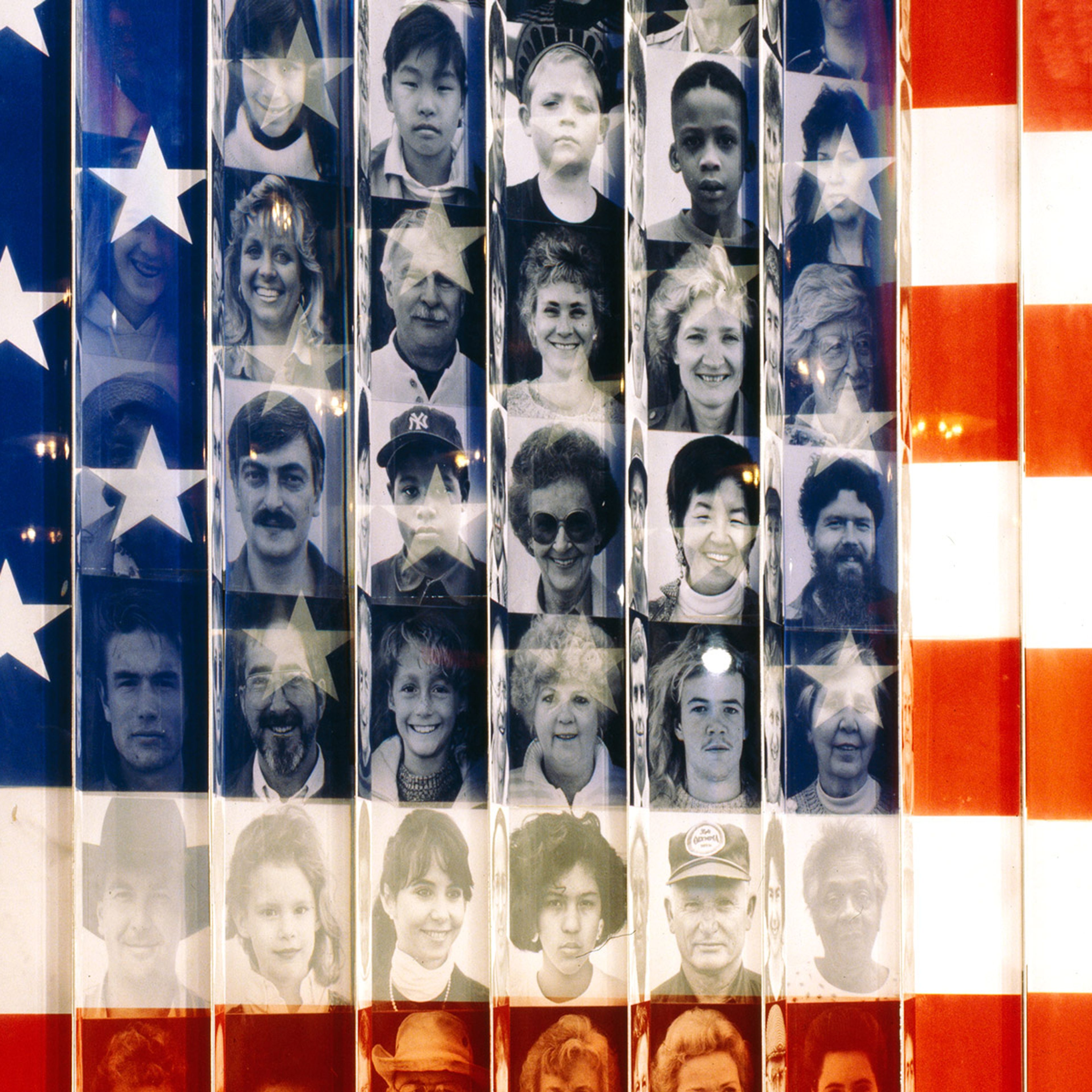
A lifetime later, we are playing with a new definition of heritage. If I access a Substack that flies under the banner “Heritage Americans,” I learn that heritage now means being a lineal descendant of “Protestant, English-speaking, Northwestern Europeans, primarily English, who birthed the American nation, starting from Jamestown in 1607 to approximately the 1870s.” Another website insists that being a “heritage American” is best understood as “involving seven inheritances: the English language, Christianity, self-government, Christian government, liberty, equality under the law, and relationship with the physical land.”




Comments