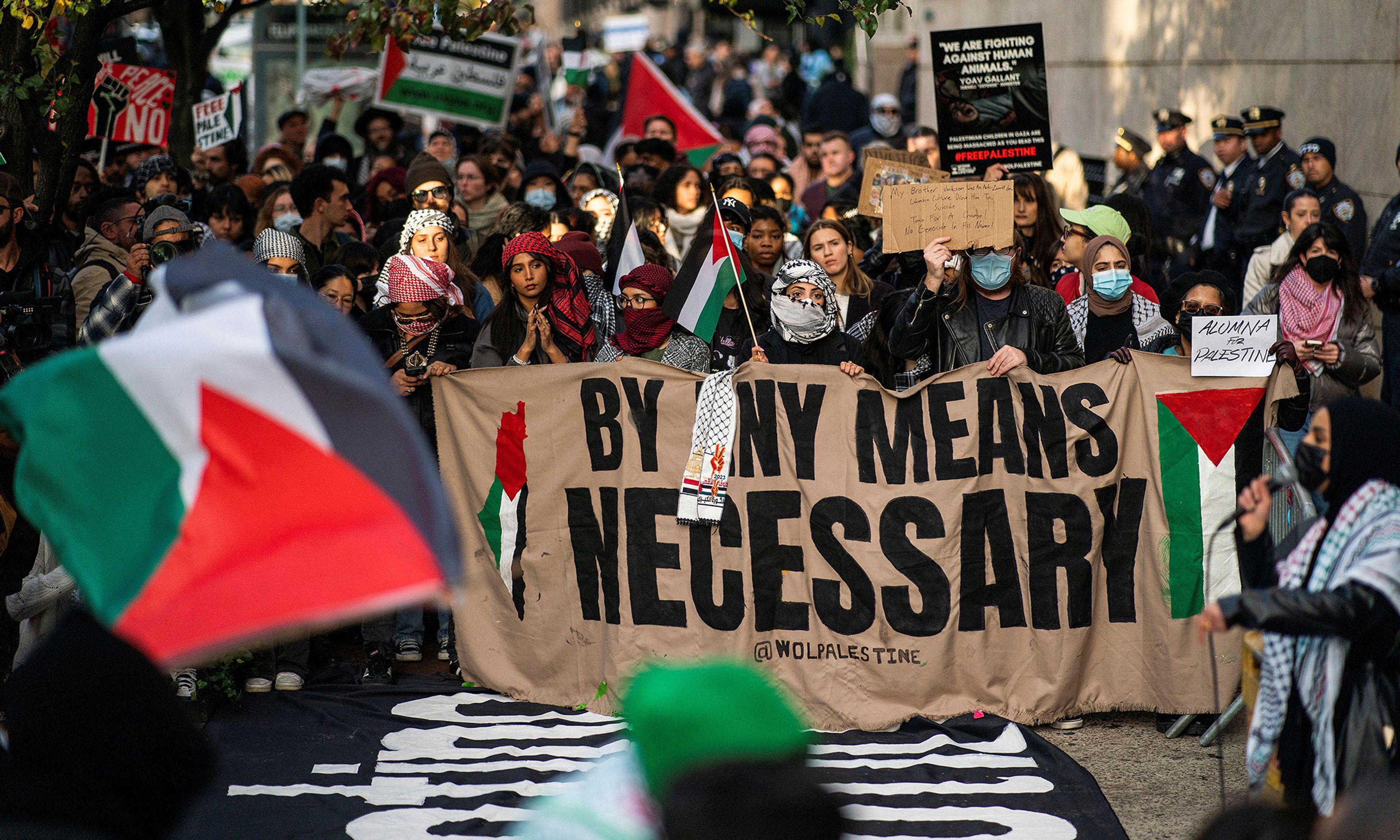
Recently, students have been shocked upon realizing that their public expressions of sympathy toward Hamas (and fierce condemnations of Israel) were seen as highly objectionable. Progressive students at elite universities assumed they had immunity by virtue of their credentials, and they imagined that the university administrators would protect them from the consequences of commending terrorists. (And, of course, they didn’t expect that the mainstream media could possibly hold an alternative view, since it rarely does.) So, how did they respond to criticism? By complaining that they’d been “doxed.”
Although the formal definition of “doxing” is the disclosing of private information about a person “especially as a form of punishment or revenge,” college students have expanded it to mean “referencing a person’s public act where there was no presumption of privacy.” Supposedly, it’s a serious offense on campus to identify someone who attends a protest, even though the purpose of a protest is to attract attention for a specific cause or position. Consider the following examples.





Comments