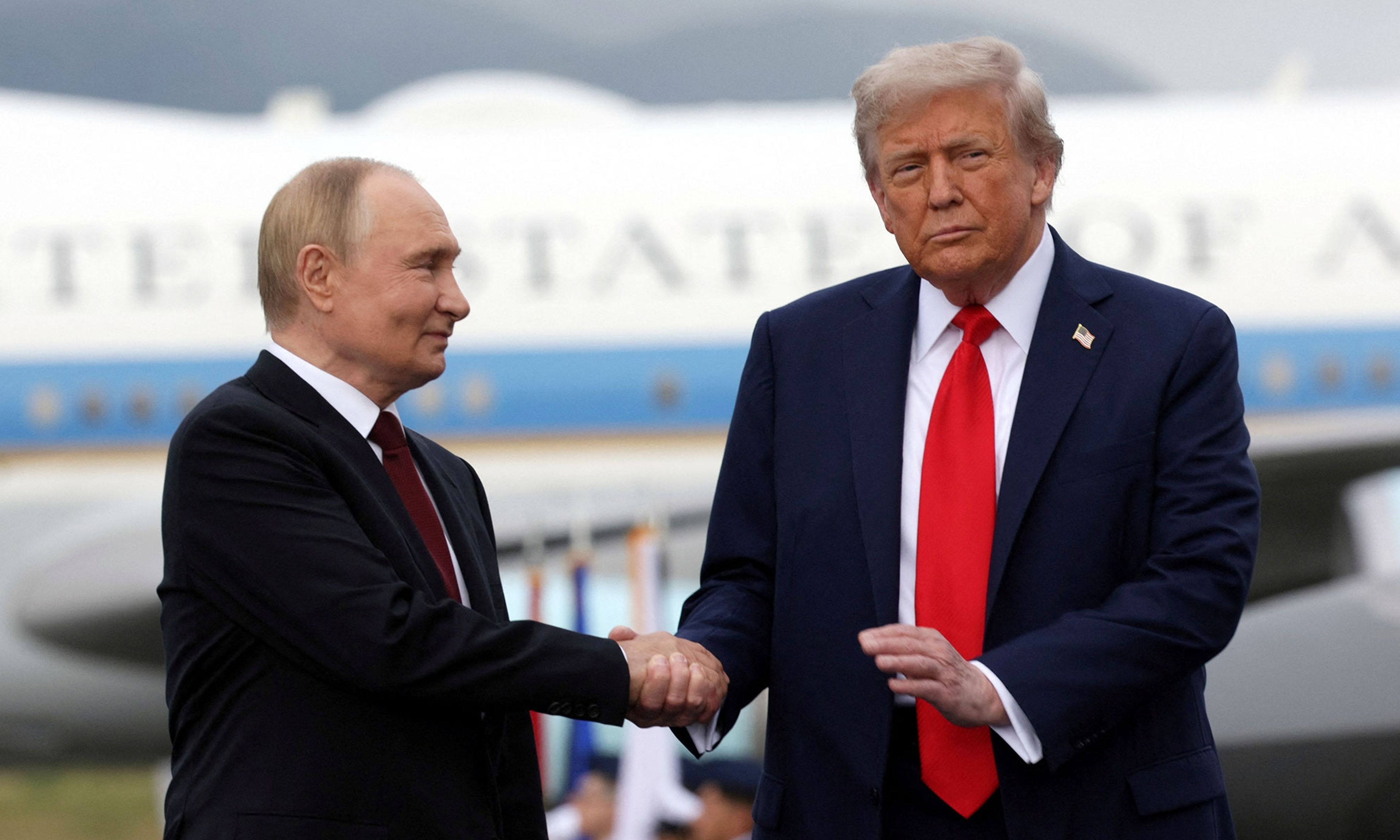
Vladimir Putin has suggested several times in recent months that the 2010 New START nuclear arms treaty due to expire in February 2026 should be extended. President Trump has expressed interest in making an arms control deal and has even considered the possibility that Xi Jinping’s PRC might be added to the agreement. The treaty contained a clause allowing a one-time, five-year extension that, in 2021, the Biden administration agreed to without much consideration. Now Putin appears to have something similar in mind, offering to keep his strategic forces within the treaty’s limits for another year (although evidently without abiding by the treaty’s verification and inspection limits) if the U.S. would do the same. According to White House statements, Trump is considering accepting the offer. Such an agreement would be very much in Russia’s interest, but it is harmful to America’s national security interests.
New START, conceived and signed 15 years ago, was designed for a world very different from today’s. In 2010, the U.S. and Russia were not adversaries. Neither side had begun modernizing its strategic nuclear forces and Putin had not yet occupied Crimea, let alone unleashed a bloody war of aggression against Ukraine. The situation is totally different now. Russia’s nuclear forces, thanks to massive investments by Putin, are now 95 percent upgraded and improved, according to the Russian president; conversely, the U.S. nuclear modernization program, after 15 years of careful planning, has yet to deploy a new strategic nuclear platform. Since 2010, Russia has embarked on a murderous overt campaign of aggression against Ukraine, a not-so-hidden policy of intimidating the European members of NATO, and a serious covert war attacking NATO infrastructure. In addition, China, whose leader, Xi Jinping, is now Putin’s ally (including in the war in Ukraine), has emerged as a major national security threat in the Indo-Pacific, thereby increasing our deterrent requirements such that we must be prepared to deter Moscow and Beijing simultaneously — a task our 2010-oriented force cannot accomplish.



Comments