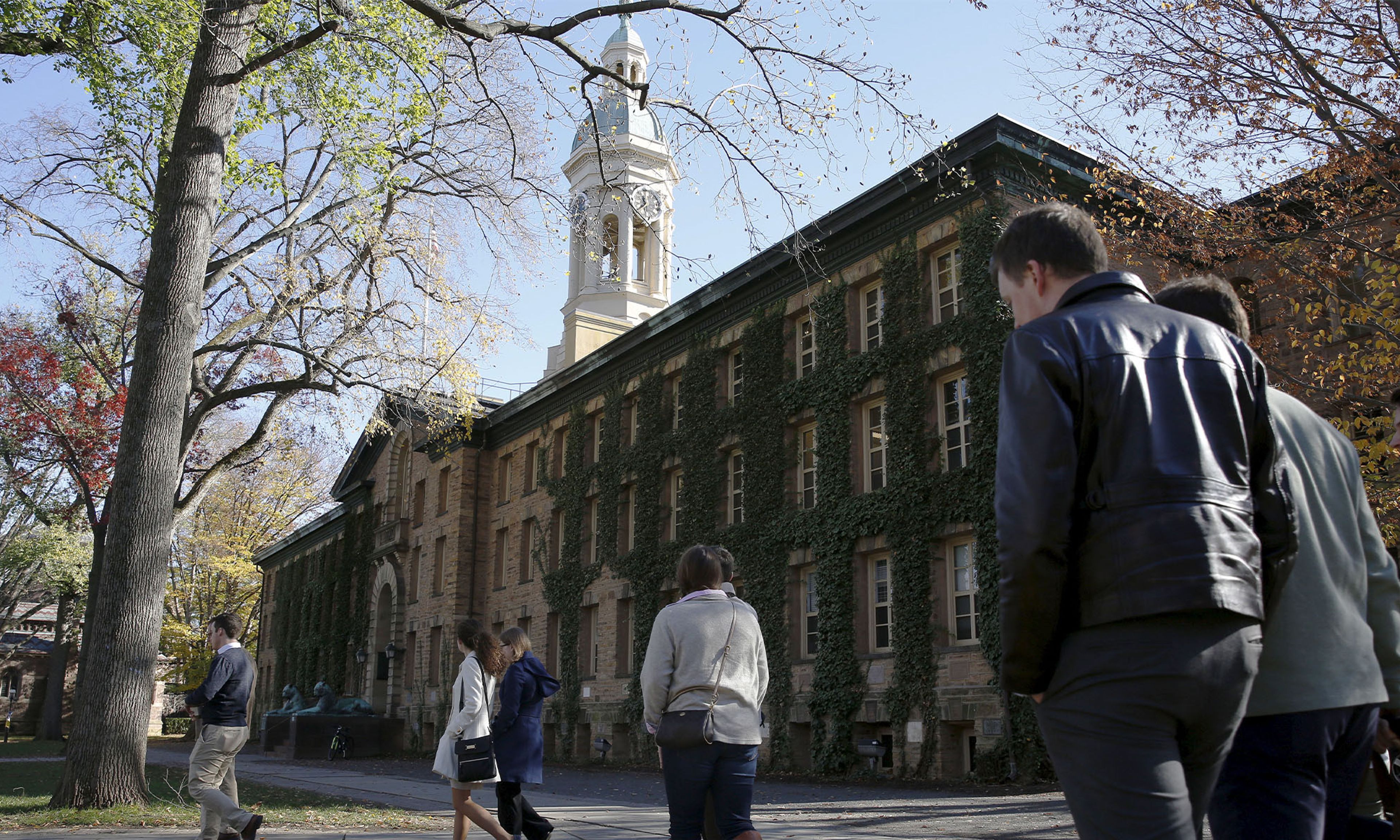
At Princeton University, the McGraw Center for Teaching and Learning issued “Guidance for Teaching in Election Season” to offer some “considerations” for faculty members during such a “highly polarizing” event. One might hope that the academics at the Ivy League institution would be able to teach under any political circumstances without a bureaucrat’s advice, since they are described by the university as “renowned leaders in their fields, extraordinary teachers and dedicated mentors.” After all, most classes have nothing to do with elections, so presumably the content of most lectures is immune to whatever happens today. But no! According to the McGraw Center, the course materials might be construed to help students better understand politics “even if you are teaching something far removed from the topic.”
Forget the idea that a professor should deliver a substantive lecture or facilitate a robust debate. The McGraw Center believes that class is better spent by indulging in emotional confessions. The university, projecting its own anxieties, prompts instructors to “consider addressing the election in a neutral way” and further ask themselves, “How does your identity affect your experience of the election? Your own political opinions and beliefs? How are you currently feeling?” Instead of analyzing the ideas that students contribute to discussions, the instructors are prompted to categorize their students on the basis of immutable traits and evaluate their emotions: “Who are your students (e.g., first years; seniors; majors) and what are their needs? How might their identity characteristics have come into play during the election season? What concerns might they be grappling with right now?” The subtext: Abandon the syllabus and just have a cry session because the students — all of whom definitely got in on merit — can’t possibly have a civil discussion about the textbooks when millions of people voted for a literal fascist.





Comments