
A few weeks ago, I promised a sea-to-shining-sea series from Los Angeles to Portland, Maine, and then to the Adriatic. I did indeed get stuck — gross negligence at the Kennedy Center and, wouldn’t you know it, Theodore Roosevelt — but I’m determined to reach across mountains and oceans, and now we’re, more or less, at the Adriatic, in Ravenna. Now a small city, Ravenna was once the last capital of the western half of the Roman Empire. Unlike Rome, it faced Constantinople. Unlike Rome, it was hard to invade, surrounded as it was by swamps. It was in Ravenna that Romulus Augustulus, the teenage emperor of the West — his other half ruled from Constantinople — was overthrown in a.d. 476.
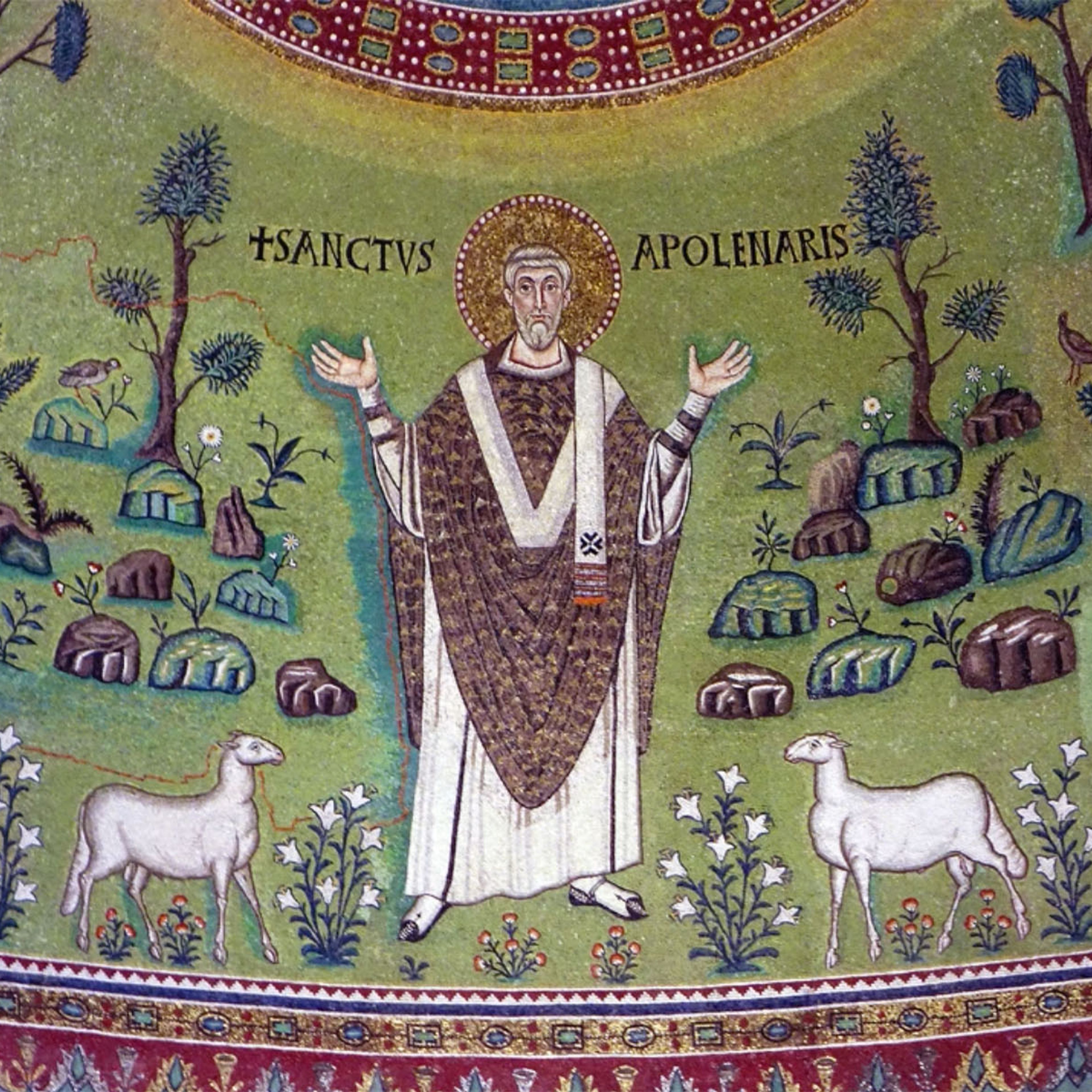
Ravenna enjoyed a vibrant afterlife, though, as an Ostrogothic and Byzantine hub and the center of the art of mosaics from the fifth through the sixth centuries. In art-history jargon, Ravenna’s religious mosaics cover the end of Classical naturalism — featuring well-proportioned, limber figures and depth — and then the start of frontal, two-dimensional, abstracted figures, more spiritual than anatomical, against backdrops more symbolic than known to nature.

Comments